

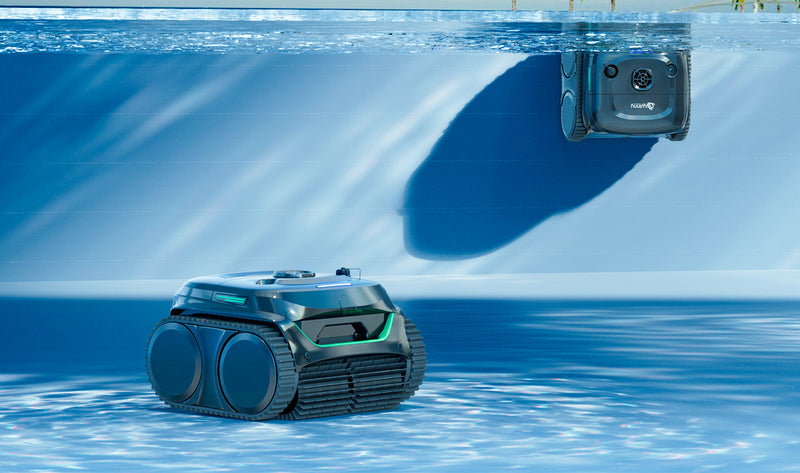
A robotic pool cleaner that no longer climbs walls can quickly turn routine maintenance into a frustrating problem. Wall climbing is not just a premium feature; it is essential for removing algae, biofilm, and debris from vertical surfaces and the waterline, where contaminants accumulate most. When this function stops working, overall cleaning performance drops significantly, and water quality may deteriorate over time.
Fortunately, most wall-climbing failures are not caused by permanent damage. In many cases, simple maintenance, adjustments, or minor repairs can restore full functionality. This comprehensive troubleshooting guide explains why pool cleaning robots stop climbing walls and what you can do to fix the issue efficiently and safely.
How Wall-Climbing Robotic Pool Cleaners Work
Understanding the mechanics behind wall climbing helps identify the root cause of the problem. Robotic cleaners climb walls by combining powerful suction, traction, buoyancy balance, and intelligent navigation.
Inside the unit, a high-speed motor drives an impeller that pulls water through the cleaner, creating downward pressure that keeps it attached to surfaces. At the same time, rotating brushes and tracks or wheels generate friction to move upward. Advanced models use sensors and gyroscopes to detect orientation and adjust motor output accordingly.
If any component in this system is compromised, the robot may struggle to ascend, slide back down, or refuse to attempt climbing altogether.
Check and Clean the Filter First
A clogged or overloaded filter is the most common reason a robotic cleaner stops climbing walls. When debris blocks water flow, suction decreases, reducing the force that holds the robot against vertical surfaces.
Remove the filter basket or cartridge and rinse it thoroughly with a hose. Pay special attention to fine mesh filters, which can trap sand, pollen, sunscreen residue, and algae particles that are not immediately visible. If the filter appears worn, misshapen, or difficult to clean, replacing it may restore performance.
Regular filter maintenance not only improves wall climbing but also enhances overall cleaning efficiency and motor longevity.

Inspect Brushes, Tracks, and Wheels for Wear
Traction components play a critical role in vertical movement. Over time, brushes may become smooth, brittle, or coated with oils and minerals that reduce grip. Rubber tracks or wheels can stretch, crack, or accumulate debris that interferes with movement.
Turn the unit off and inspect these parts carefully. Clean away hair, string, pebbles, or calcium buildup. If the brushes feel slick rather than textured, they may need replacement. Many manufacturers recommend changing brushes every one to two seasons depending on usage.
Worn traction components often cause the robot to start climbing but slide back down before reaching the waterline.
Verify Proper Buoyancy and Weight Balance
Robotic cleaners are engineered with precise buoyancy to maintain optimal contact with pool surfaces. If the unit becomes too heavy or too light, climbing ability suffers.
Excess water trapped inside the housing, waterlogged foam components, or missing flotation elements can alter balance. After removing the cleaner from the pool, allow it to drain completely and check for unusual weight.
Some models include adjustable floats. Ensure they are correctly positioned according to the manufacturer’s guidelines. Improper float settings can prevent the robot from maintaining the correct angle for climbing.
Examine the Power Supply and Motor Performance
Insufficient motor power can limit both suction and drive strength. For corded models, inspect the power supply unit and cable connections. Damaged cables, loose connectors, or overheating power supplies may reduce performance.
If the robot moves slowly on the floor, stops intermittently, or produces unusual noises, the drive motor or pump motor could be failing. In such cases, professional servicing may be required.
Cordless models should also be checked for battery health. Reduced runtime or weak movement often indicates battery degradation, which can directly affect climbing capability.
Remove Biofilm, Oils, and Calcium from Surfaces
Pool chemistry can influence traction more than many owners realize. Oils from sunscreen, cosmetics, and body lotions can coat brushes and tracks, making them slippery. Hard water can leave calcium deposits that interfere with movement.
Cleaning the robot with mild detergent and warm water can remove these residues. Avoid harsh chemicals that might damage seals or plastic components.
Additionally, examine the pool walls themselves. Extremely smooth tile, algae buildup, or scale can reduce friction, making it difficult for any robot to climb effectively. Brushing the walls manually may restore proper conditions.
Check Pool Conditions and Water Level
Environmental factors also affect performance. Low water levels can prevent the robot from gaining momentum before attempting to climb. Very high water levels may interfere with navigation sensors on some models.
Water temperature plays a role as well. Cold water stiffens rubber components, reducing flexibility and grip. Extremely warm water can accelerate wear on certain materials.
Ensuring the pool is within recommended operating conditions helps maintain optimal cleaning performance.
Confirm Correct Cleaning Mode and Settings
Many advanced robotic cleaners offer multiple cleaning modes, such as floor-only, floor-and-wall, or waterline cleaning. If the device is set to a floor-only program, it will not attempt to climb regardless of mechanical condition.
Review the control panel or mobile app settings to confirm the correct mode is selected. Resetting the unit to default settings can sometimes resolve software glitches that affect navigation behavior.
Firmware updates, when available, may also improve climbing algorithms and overall efficiency.
Untangle or Manage the Floating Cable
For corded robots, cable management is crucial. A twisted or heavy cable can pull the unit downward, preventing it from maintaining contact with the wall.
Before each cleaning cycle, stretch the cable out in the sun to relax coils and remove twists. Ensure the cable length is appropriate for the pool size. Some users benefit from repositioning the power supply to reduce drag.
Swivel mechanisms designed to prevent tangling should also be checked for proper operation.
When to Consider Professional Repair or Replacement
If all troubleshooting steps fail, internal mechanical or electronic components may be damaged. Worn bearings, failing motors, compromised seals, or sensor malfunctions often require professional diagnosis.
Continuing to operate a malfunctioning cleaner can lead to further damage. Consulting an authorized service center ensures repairs are performed safely and effectively.
In some cases, especially with older units, replacement may be more cost-effective than extensive repairs.
Preventive Maintenance to Avoid Future Issues
Regular maintenance significantly reduces the likelihood of wall-climbing problems. Rinsing the robot after each use removes chemicals and debris that cause wear. Periodic inspection of brushes, filters, and moving parts helps identify issues early.
Storing the cleaner in a shaded, dry location protects it from UV damage and temperature extremes. Following the manufacturer’s recommended maintenance schedule ensures long-term reliability.
Consistent care not only preserves climbing ability but also extends the overall lifespan of the device.

Restoring Full Cleaning Performance
When a pool cleaning robot stops climbing walls, the problem is usually related to suction loss, traction issues, balance changes, or environmental factors rather than catastrophic failure. By systematically checking filters, brushes, buoyancy, power supply, settings, and pool conditions, most homeowners can restore normal operation without specialized tools.
Wall climbing is essential for maintaining a hygienic, visually appealing pool, particularly at the waterline where contaminants concentrate. Addressing issues promptly prevents algae growth, staining, and increased chemical demand.
With proper troubleshooting and preventive maintenance, a robotic pool cleaner can continue delivering efficient, hands-free performance for many seasons, keeping your pool clean, safe, and ready for enjoyment at any time.


