

Keeping a swimming pool clean has always been one of the most important responsibilities for pool owners. Leaves, dirt, sand, algae, insects, and other debris constantly find their way into pool water, affecting both appearance and water quality. Traditionally, pool owners relied on manual vacuuming systems, pressure-side cleaners, or suction-side cleaners that required significant time and effort.
Today, robotic pool cleaners have transformed the way pools are maintained. These intelligent cleaning machines operate independently from the pool's filtration system, providing efficient and consistent cleaning with minimal human intervention. Whether you own an above-ground pool or a large in-ground pool, a robotic pool cleaner can significantly reduce maintenance time while improving overall cleanliness.
As robotic technology continues to evolve, more homeowners are choosing automated pool cleaning solutions to maintain crystal-clear water and enjoy a more relaxing pool ownership experience.
How a Robotic Pool Cleaner Vacuums a Swimming Pool
A robotic pool cleaner functions as an autonomous cleaning device designed specifically for underwater operation. Once placed into the pool, the cleaner uses powerful motors, advanced navigation systems, and built-in filtration to remove debris from pool surfaces.
The cleaning process typically begins when the robot moves along the pool floor, collecting dirt, dust, leaves, and small particles through strong suction. Many modern models are equipped with intelligent mapping systems that allow them to identify the pool's shape and optimize cleaning routes.
As the robot travels, rotating brushes loosen debris attached to pool surfaces. The suction system then captures the debris and stores it inside an internal filter basket or cartridge. Since the debris is trapped inside the robot itself, the load on the pool's main filtration system is reduced.
Premium robotic cleaners can clean multiple surfaces, including:
- Pool floors
- Pool walls
- Waterlines
- Steps
- Corners
This comprehensive approach ensures that every area of the pool receives attention during the cleaning cycle.
Benefits of Vacuuming a Pool with a Robotic Pool Cleaner
Using a robotic pool cleaner offers numerous advantages compared to traditional vacuuming methods.
First, robotic cleaners save a significant amount of time. Manual vacuuming can take one to two hours depending on pool size, while a robotic cleaner can complete the task automatically. Pool owners simply place the cleaner into the water and allow it to work independently.
Second, robotic cleaners improve cleaning consistency. Human cleaning often misses corners, walls, or difficult-to-reach areas. Robotic systems follow programmed cleaning patterns that provide more uniform coverage.
Third, energy efficiency has become a major selling point. Most robotic pool cleaners consume considerably less electricity than pool pumps operating suction-based cleaning systems. This translates into lower operating costs throughout the swimming season.
Another benefit is enhanced water quality. By removing fine debris before it breaks down inside the pool, robotic cleaners help reduce organic contaminants and support balanced water chemistry.
Finally, robotic cleaners reduce physical labor. Pool owners no longer need to push vacuum heads manually or manage long hoses around the pool.
Choosing the Right Robotic Pool Cleaner for Your Pool
Selecting the right robotic pool cleaner depends on several factors, including pool size, shape, surface material, and cleaning requirements.
For smaller residential pools, compact robotic cleaners often provide sufficient cleaning power while remaining budget-friendly. Medium and large pools may require models with longer battery life, larger debris baskets, and advanced navigation systems.
Pool owners should also consider the type of debris commonly found in their pools. If leaves are a frequent problem, choosing a model with a large-capacity filter basket is recommended. For pools that collect fine dust, sand, or pollen, ultra-fine filtration systems can deliver better cleaning performance.
The following comparison highlights key features to evaluate when selecting a robotic pool cleaner:
| Feature | Basic Models | Advanced Models |
|---|---|---|
| Floor Cleaning | Yes | Yes |
| Wall Cleaning | Limited | Full Coverage |
| Waterline Cleaning | No | Yes |
| Smart Navigation | Basic | Advanced Mapping |
| App Control | Optional | Standard |
| Filtration | Standard | Fine & Ultra-Fine |
| Cleaning Modes | Single Mode | Multiple Modes |
| Battery Runtime | Shorter | Extended |
Choosing a cleaner that matches your pool's specific needs can maximize cleaning efficiency and long-term satisfaction.

Best Practices for Vacuuming a Pool with a Robotic Cleaner
To achieve optimal results, pool owners should follow several best practices when operating a robotic pool cleaner.
Before starting a cleaning cycle, remove large floating debris using a skimmer net. Although robotic cleaners can handle leaves and debris, reducing excessive surface clutter helps improve cleaning efficiency.
Regular maintenance of the robot's filter basket is equally important. Emptying and rinsing the filter after each cleaning session prevents clogging and maintains strong suction performance.
Pool owners should also inspect brushes and wheels periodically. Over time, accumulated debris may affect movement and cleaning effectiveness.
Running the robotic cleaner on a routine schedule can prevent debris buildup. During peak swimming season, operating the cleaner two to three times per week often provides excellent results. Pools located near trees or exposed to heavy winds may require more frequent cleaning.
Maintaining balanced water chemistry further supports cleaning performance. Proper pH levels, sanitizer concentrations, and filtration system operation work together with robotic cleaning to keep pool water clear and healthy.
Common Debris Removed by Robotic Pool Cleaners
One of the primary reasons homeowners invest in robotic pool cleaners is their ability to capture a wide variety of contaminants.
Robotic cleaners effectively remove:
- Leaves
- Twigs
- Grass clippings
- Insects
- Dust
- Sand
- Pollen
- Algae particles
- Small stones
- Organic debris
Many modern robotic cleaners feature multi-layer filtration systems capable of capturing both large and microscopic particles. This versatility makes them suitable for a wide range of environmental conditions.
Pools located near landscaping, gardens, or wooded areas particularly benefit from robotic cleaning because debris accumulation tends to occur more frequently in these environments.
Smart Features Enhancing Pool Vacuuming Performance
Recent advancements in robotic pool cleaner technology have introduced numerous intelligent features that improve efficiency and user convenience.
Smart navigation systems use sensors and algorithms to map pool layouts and avoid redundant cleaning paths. This reduces cleaning time while improving coverage.
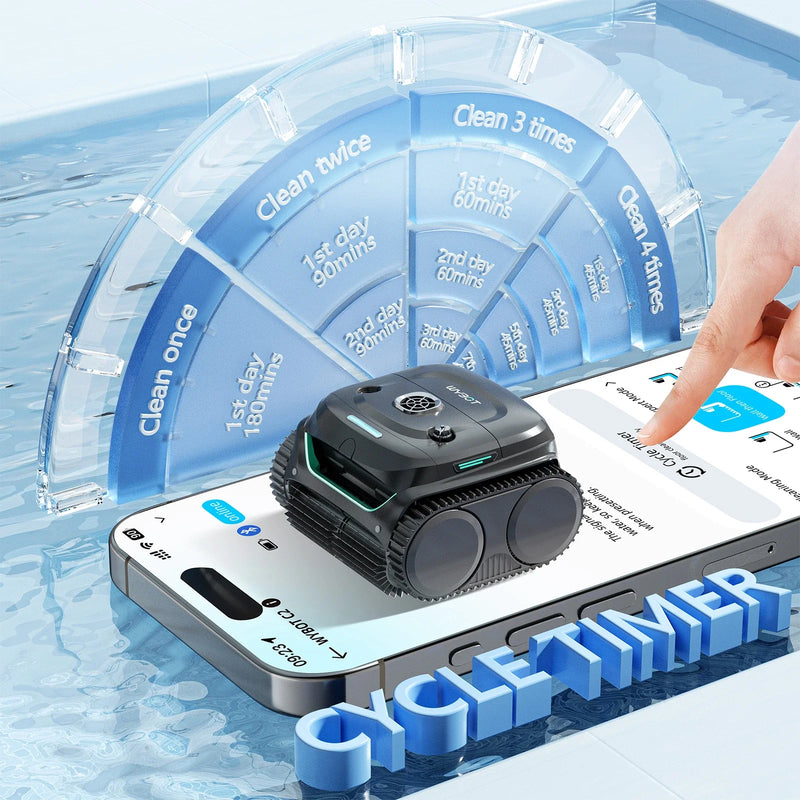
Mobile app connectivity has become increasingly popular. Through smartphone applications, users can start cleaning cycles, schedule operation times, monitor battery status, and select specialized cleaning modes remotely.
Some premium models even offer targeted cleaning functions for specific areas such as floors, walls, or waterlines. These customizable settings allow users to address unique cleaning challenges without running a full cleaning cycle.
Cordless robotic pool cleaners have also gained popularity. By eliminating power cords, these units simplify operation and reduce the risk of cable tangling during cleaning.
As artificial intelligence and sensor technology continue to improve, robotic pool cleaners are becoming even more capable of delivering professional-level results for residential pool owners.
Long-Term Value of Robotic Pool Cleaners
While robotic pool cleaners require an initial investment, many pool owners find that the long-term value outweighs the purchase cost.
Reduced manual labor, lower energy consumption, decreased strain on pool filtration systems, and improved water quality all contribute to ongoing savings. Regular robotic cleaning may also help reduce wear on pool surfaces by preventing debris accumulation and minimizing the need for aggressive manual scrubbing.
Additionally, cleaner water enhances the overall swimming experience. Guests and family members can enjoy a more inviting pool environment with less effort from the owner.
As technology continues to advance, robotic pool cleaners remain one of the most practical and effective tools for maintaining residential swimming pools.

Vacuuming a pool with a robotic pool cleaner represents one of the most efficient approaches to modern pool maintenance. These advanced devices combine powerful suction, intelligent navigation, automated operation, and effective filtration to deliver exceptional cleaning performance.
Whether managing a small backyard pool or a larger in-ground installation, robotic pool cleaners can simplify maintenance routines while improving water clarity and cleanliness. By selecting the right model, following proper maintenance practices, and utilizing smart cleaning features, pool owners can enjoy a cleaner pool with significantly less effort.
For homeowners seeking convenience, efficiency, and reliable cleaning results, a robotic pool cleaner has become an essential investment in modern pool care.


