

A swimming pool vacuum pole is one of the most important tools for maintaining a clean and healthy pool. Whether you own an above-ground pool or a large inground pool, the vacuum pole connects your cleaning equipment and helps you remove debris, dirt, leaves, and algae efficiently. However, many pool owners focus only on the vacuum head or robotic cleaner while overlooking the maintenance of the vacuum pole itself.
Proper care can significantly extend the lifespan of a swimming pool vacuum pole and improve cleaning performance over time. A well-maintained pole is easier to handle, safer to use, and more reliable during regular pool cleaning routines. By following a few simple maintenance practices, pool owners can avoid unnecessary replacements and ensure consistent operation season after season.
This guide explains the best swimming pool vacuum pole maintenance tips for long lasting performance, including cleaning methods, storage solutions, inspection routines, and material care recommendations.
Why Swimming Pool Vacuum Pole Maintenance Matters
Many pool owners use their vacuum poles several times each week during the swimming season. Exposure to water, pool chemicals, sunlight, and outdoor weather can slowly wear down the pole if it is not maintained properly.
Regular maintenance provides several important benefits:
- Extends the life of the vacuum pole
- Prevents corrosion and structural damage
- Improves cleaning efficiency
- Maintains secure attachment connections
- Reduces the risk of bending or cracking
- Keeps the pole lightweight and comfortable to use
A high-quality swimming pool vacuum pole can last for years when properly maintained. Aluminum and fiberglass poles are especially durable, but even premium materials require routine care to maintain their performance.
Clean the Vacuum Pole After Every Use
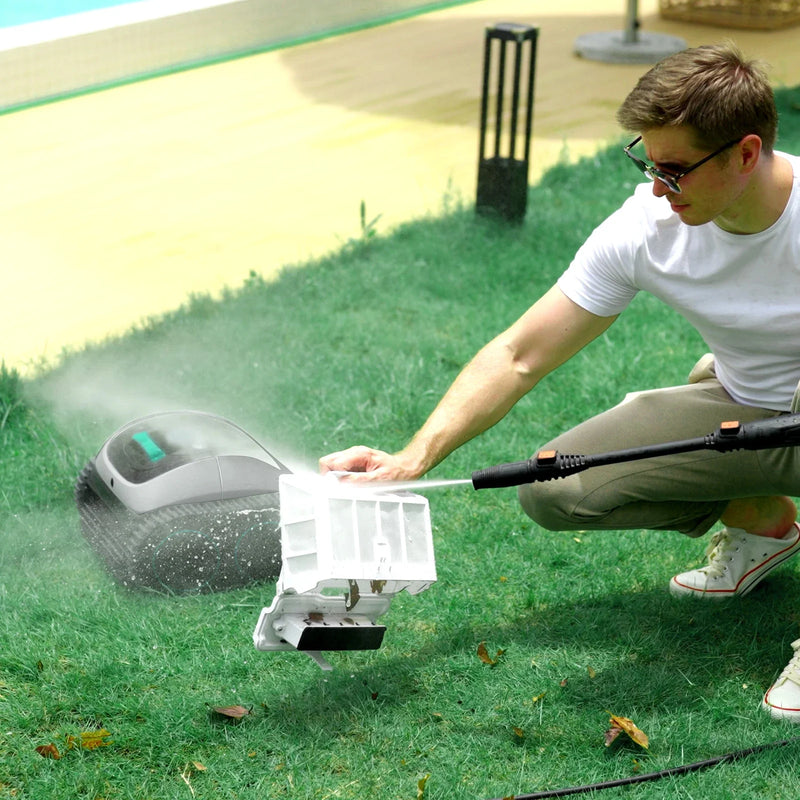
One of the easiest and most effective maintenance habits is rinsing the swimming pool vacuum pole after every cleaning session.
Pool water contains chlorine, salt, minerals, and chemical residues that may gradually affect the surface of the pole. If these substances remain on the material for extended periods, they can lead to discoloration, corrosion, or stiffness in moving parts.
After vacuuming the pool:
- Rinse the pole thoroughly with fresh water
- Remove dirt or debris from locking mechanisms
- Wipe the surface with a soft cloth
- Allow the pole to dry completely before storage
This simple process helps preserve both appearance and function. It is especially important for saltwater pools because salt residue can accelerate corrosion over time.
Inspect Locking Mechanisms Regularly
Most swimming pool vacuum poles are telescopic and use locking systems to adjust length. These locking mechanisms are critical for stability and user safety.
Over time, sand, debris, or chemical buildup can interfere with the locking function. If ignored, the pole may slip during use or become difficult to extend.
Routine inspection should include:
- Checking for loose locking pins
- Ensuring clamps tighten securely
- Removing debris from moving parts
- Testing extension stability before cleaning
If the locking system feels stiff, rinse it with clean water and gently clean the area with a soft brush. Avoid forcing stuck sections because excessive pressure may damage the internal components.

Store the Vacuum Pole Properly
Proper storage plays a major role in extending the life of a swimming pool vacuum pole. Leaving the pole outdoors for long periods can expose it to harsh UV rays, rain, humidity, and temperature fluctuations.
The best storage practices include:
- Store the pole in a dry shaded area
- Keep it away from direct sunlight
- Avoid placing heavy objects on top of it
- Hang the pole vertically when possible
- Retract telescopic poles before storage
Direct sun exposure can weaken certain materials and fade protective coatings. Indoor storage or covered equipment areas help maintain structural integrity and appearance.
Prevent Corrosion and Rust
Although many swimming pool vacuum poles are made from corrosion-resistant materials such as anodized aluminum or fiberglass, metal components can still experience wear over time.
To minimize corrosion:
- Rinse thoroughly after exposure to pool chemicals
- Dry metal components before storage
- Avoid prolonged contact with wet surfaces
- Inspect screws and connectors for rust
- Replace damaged metal parts promptly
For pool owners using saltwater systems, corrosion prevention becomes even more important because salt can accelerate metal deterioration.
Using a silicone-based lubricant on metal joints and locking systems may also help maintain smooth operation without attracting excessive dirt.
Check for Cracks, Bends, and Structural Damage
A damaged swimming pool vacuum pole can reduce cleaning efficiency and create safety concerns during use.
Inspect the pole regularly for:
- Hairline cracks
- Bent sections
- Weak connection points
- Surface dents
- Splintering on fiberglass poles
Small issues can become larger problems if left untreated. Replacing worn components early helps avoid sudden breakage during pool cleaning.
Fiberglass poles should also be checked for surface wear because damaged fiberglass may become rough or uncomfortable to handle over time.
Use the Pole Correctly During Pool Cleaning
Proper handling techniques can greatly extend the lifespan of a swimming pool vacuum pole.
Common mistakes that shorten pole life include:
- Applying excessive pressure
- Using the pole as a lever
- Dragging heavy debris aggressively
- Dropping the pole on hard surfaces
- Extending beyond recommended limits
Instead, use smooth controlled movements while vacuuming the pool. Let the vacuum head and suction system perform most of the cleaning work rather than forcing the pole against the pool floor.
Following manufacturer guidelines for extension length and compatible attachments also helps prevent unnecessary strain.
Protect the Pole During Off-Season Storage
When the swimming season ends, long-term storage preparation becomes essential.
Before storing the vacuum pole for winter or extended periods:
- Wash and dry the entire pole thoroughly
- Inspect for damage or loose components
- Retract telescopic sections completely
- Store indoors if possible
- Keep away from freezing conditions
Cold temperatures and moisture exposure can affect materials and moving parts over time. Proper off-season storage helps ensure the pole is ready for use when the next pool season begins.
Choose High-Quality Accessories and Attachments
The performance of a swimming pool vacuum pole also depends on the quality of compatible accessories.
Using poorly fitted vacuum heads or low-quality attachments can place unnecessary stress on the pole connections. Always ensure attachments fit securely and match the pole specifications.
Quality accessories provide several advantages:
- Better stability during cleaning
- Reduced vibration and strain
- Smoother maneuverability
- Improved debris removal efficiency
Investing in durable pool maintenance equipment supports the long-term performance of the entire cleaning system.
Maintenance Schedule for Best Results
Creating a simple maintenance routine can help pool owners protect their investment and avoid unexpected equipment issues.
Recommended maintenance schedule:
After Every Use:
- Rinse with fresh water
- Dry before storage
- Remove visible debris
Weekly:
- Inspect locking mechanisms
- Check for surface damage
Monthly:
- Deep clean moving parts
- Inspect attachment connections
- Apply lubricant if needed
Seasonally:
- Perform full inspection
- Replace worn components
- Prepare for off-season storage
Consistent maintenance requires only a few minutes but can add years to the lifespan of a swimming pool vacuum pole.
A swimming pool vacuum pole is an essential tool for keeping pools clean, safe, and inviting throughout the swimming season. With proper maintenance, a high-quality vacuum pole can deliver reliable performance for many years.
Simple practices such as rinsing after use, inspecting locking mechanisms, storing the pole correctly, and preventing corrosion can make a significant difference in durability and usability. Regular care not only protects the equipment but also improves overall pool cleaning efficiency.
By following these swimming pool vacuum pole maintenance tips for long lasting performance, pool owners can reduce equipment wear, enhance cleaning comfort, and maintain a professional-level pool care routine season after season.


