

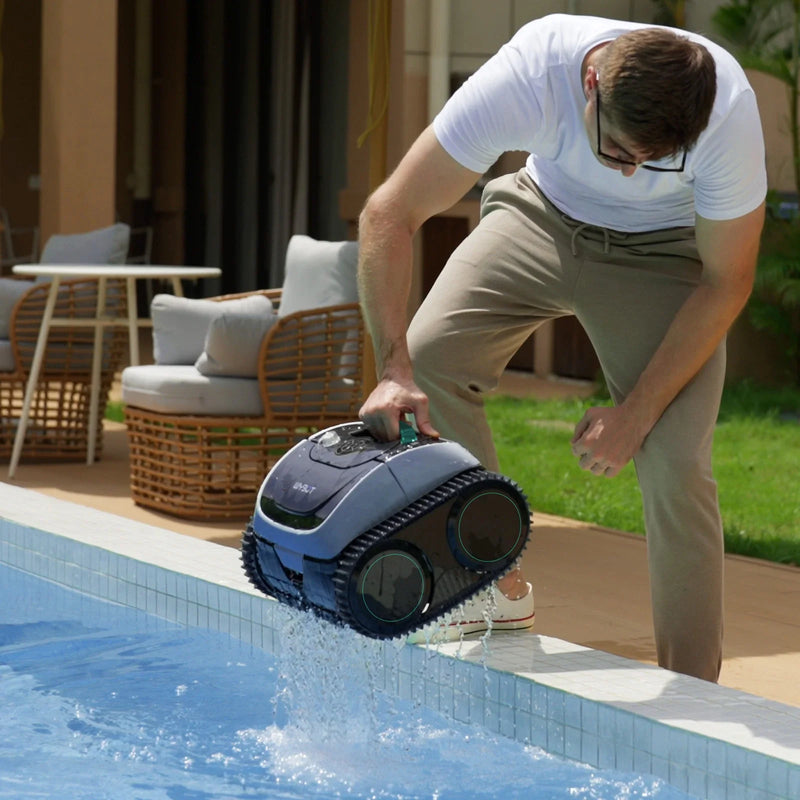
A pool vacuum is only as effective as the condition of its components. Over time, wear and tear are inevitable, especially with regular exposure to water, chemicals, and debris. Whether you own a suction-side cleaner, a pressure-side unit, or a cordless robotic pool vacuum, knowing how to choose the right replacement parts is essential for maintaining performance and extending the lifespan of your equipment.
This guide explains how to identify worn parts, select compatible replacements, and avoid common mistakes, helping you keep your pool cleaning system running efficiently.
Why Pool Vacuum Parts Need Replacement Over Time
Pool vacuums operate in demanding environments. Constant contact with water, chlorine, and debris gradually affects components such as filters, brushes, hoses, and wheels.
Filters can become clogged or less effective at capturing fine particles. Brushes wear down and lose their ability to scrub surfaces. Hoses may develop cracks or leaks, reducing suction efficiency. Even internal components like motors and seals can degrade over time.
Ignoring these issues not only reduces cleaning performance but can also lead to more serious damage. Regular inspection and timely replacement of parts are key to ensuring consistent results.
Common Pool Vacuum Parts and Their Functions
Understanding the role of each component helps you make better replacement decisions. While specific designs vary by model, most pool vacuums share several core parts.
Filters are responsible for trapping debris and maintaining water clarity. Brushes loosen dirt and algae from pool surfaces. Wheels or tracks allow the vacuum to move efficiently across the pool. Hoses or internal suction systems transport debris into the filter.
In robotic models, additional components such as batteries, motors, and control systems play a critical role in overall performance. Each part contributes to the cleaner’s efficiency, and failure in one area can affect the entire system.

Signs That It’s Time to Replace Parts
Recognizing early signs of wear can prevent bigger problems. A noticeable drop in suction power often indicates a clogged or worn filter. Uneven cleaning patterns may suggest worn brushes or navigation issues.
If the vacuum struggles to move or gets stuck frequently, the wheels or tracks may need replacement. Cracks in hoses or reduced water flow are also clear indicators that parts are no longer functioning properly.
For cordless robotic cleaners, shorter runtime can signal battery degradation. Addressing these issues early helps maintain consistent cleaning performance.
Choosing Compatible Replacement Parts
Compatibility is one of the most important factors when selecting replacement parts. Not all components are universal, and using the wrong part can reduce performance or even damage the device.
Always check the model number and manufacturer specifications before purchasing. Many brands design parts specifically for their products, ensuring optimal fit and function.
Using original equipment manufacturer (OEM) parts is often recommended for reliability. However, high-quality third-party parts can also be a cost-effective alternative if they meet the required specifications.
Comparing OEM and Third-Party Parts
Choosing between OEM and third-party parts often depends on budget and performance expectations.
| Feature | OEM Parts | Third-Party Parts |
|---|---|---|
| Compatibility | Guaranteed fit | May vary by manufacturer |
| Quality | Consistent, tested | Can range from high to low |
| Price | Higher | More affordable |
| Warranty | Often included | Limited or none |
| Availability | Brand-specific | Widely available |
OEM parts provide peace of mind and consistent quality, while third-party options can offer savings if carefully selected. For critical components like batteries or motors, OEM parts are usually the safer choice.
Key Factors to Consider When Buying Replacement Parts
Selecting the right replacement part involves more than just matching the model number. Several factors can influence performance and durability.
Material quality is essential, especially for parts exposed to chemicals and water. Durable materials last longer and perform better under stress.
Ease of installation is another consideration. Some parts are designed for quick replacement, while others may require tools or technical knowledge.
Cost should be balanced with quality. Choosing the cheapest option may lead to more frequent replacements, increasing long-term expenses.
User reviews and brand reputation can also provide valuable insights into the reliability of specific parts.
Special Considerations for Cordless Robotic Pool Cleaners
Cordless robotic pool cleaners have unique components that require special attention. Batteries are one of the most critical parts, as they directly affect runtime and cleaning efficiency.
When replacing a battery, ensure it matches the voltage and capacity specifications of the original. Using an incompatible battery can damage the device or reduce performance.
Filters in robotic cleaners often come in different grades, from standard to ultra-fine. Choosing the right filter depends on the type of debris in your pool.
Brands like Wybot, Dolphin, and Aiper offer dedicated replacement parts designed for their models. For example, Wybot cordless cleaners such as the C1 benefit from well-matched replacement filters and components that maintain consistent performance.
Maintenance Tips to Extend Part Lifespan
Proper maintenance can significantly reduce the need for frequent replacements. Cleaning filters after each use prevents clogging and maintains suction power.
Rinsing brushes and removing debris from moving parts helps prevent wear. Storing the vacuum in a cool, dry place protects components from environmental damage.
For cordless models, avoiding overcharging and extreme temperatures can help preserve battery life. Regular maintenance not only improves performance but also reduces long-term costs.
When to Repair vs Replace
In some cases, repairing a component may be more practical than replacing it entirely. Minor issues such as small clogs or loose connections can often be fixed بسهولة.
However, for heavily worn or damaged parts, replacement is usually the better option. Continuing to use faulty components can strain other parts and lead to more expensive repairs.
Evaluating the cost of repair versus replacement helps you make the most economical decision.

Choosing the right pool vacuum parts is essential for maintaining efficient and reliable cleaning performance. By understanding how different components function, recognizing signs of wear, and selecting compatible replacements, you can extend the life of your pool vacuum and keep your pool in excellent condition.
Whether you opt for OEM parts or high-quality alternatives, the key is to prioritize compatibility, durability, and performance. With the right approach, maintaining your pool vacuum becomes a straightforward and cost-effective process.


