

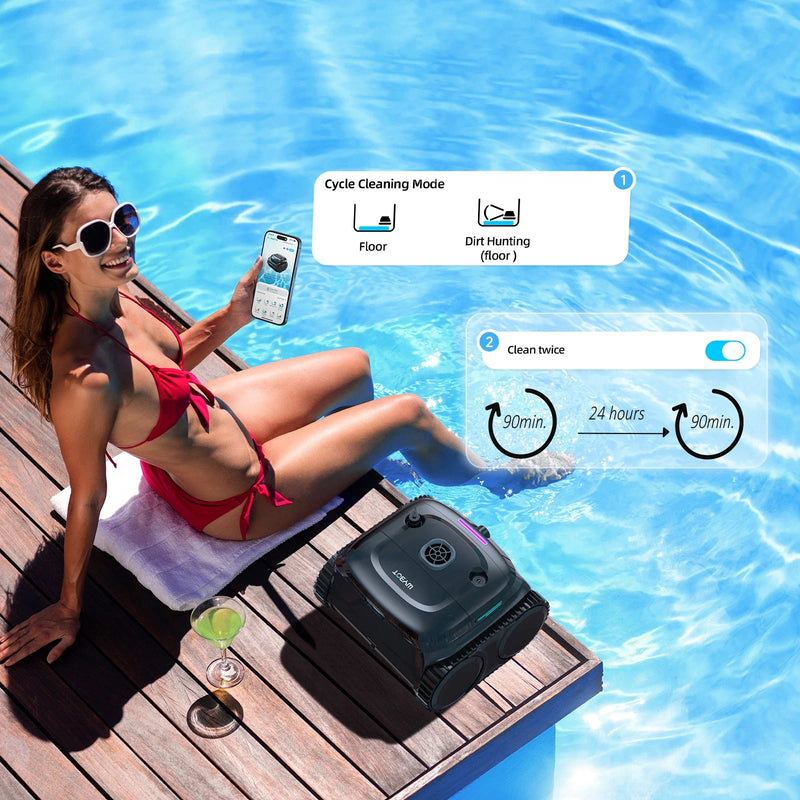
Keeping an inground pool clean is essential for water clarity, swimmer comfort, and long-term equipment performance. However, many pool owners worry that vacuuming can waste a large amount of water, especially when cleaning heavy debris or algae. Learning how to vacuum an inground pool without losing too much water helps maintain balanced water chemistry while reducing refill costs and unnecessary maintenance.
This guide explains practical techniques, equipment choices, and maintenance habits that allow you to clean your pool efficiently while conserving water.
Why Water Loss Happens During Pool Vacuuming
Many inground pools lose water during vacuuming because of the filter system settings. When a pool is vacuumed to waste, water bypasses the filter and exits through the backwash or waste line. This method is useful for removing algae, dirt, or fine particles, but it can lower the water level quickly.
Several factors contribute to excessive water loss during pool cleaning:
- Using the “waste” setting unnecessarily
- Vacuuming for long periods
- Dirty or clogged filters reducing suction efficiency
- Poor vacuuming technique
- Cleaning large debris without pre-removal
Understanding these causes helps pool owners choose more water-efficient cleaning methods.
Choose the Right Vacuuming Method
The best way to reduce water loss is to select the correct vacuuming approach based on the condition of the pool.
Vacuum Through the Filter
For normal dirt, leaves, sand, and everyday debris, vacuuming through the filtration system is the most water-efficient option. In this method, debris passes through the filter while clean water returns to the pool.
This process works well when:
- The pool water is mostly clear
- Debris levels are moderate
- The filter system is functioning properly
Sand filters, cartridge filters, and DE filters can all support standard vacuuming. Cleaning or backwashing the filter before vacuuming improves performance and prevents pressure buildup.
Vacuum to Waste Only When Necessary
Vacuuming to waste should be reserved for special situations such as:
- Severe algae outbreaks
- Heavy mud accumulation
- Extremely cloudy water
- Large amounts of fine sediment
Although effective, this method removes pool water rapidly. To minimize loss, vacuum only the affected areas instead of the entire pool.
Maintain Proper Water Level Before Cleaning
Before starting, check the pool water level. Ideally, the water should sit halfway up the skimmer opening. Starting with the correct water level prevents the pump from drawing air during cleaning.
If the water is already low, adding a small amount beforehand can help avoid interruptions. Monitoring the level during vacuuming is especially important when using the waste setting.

Use a Manual Vacuum Efficiently
A manual vacuum can clean an inground pool thoroughly while using very little water when handled correctly.
Prime the Vacuum Hose Properly
Air trapped inside the vacuum hose reduces suction and causes inefficient cleaning. To prime the hose:
- Attach the vacuum head to the telescopic pole
- Connect the hose to the vacuum head
- Submerge the hose completely to remove air
- Attach the hose to the skimmer suction port
Proper priming allows smooth water flow and better debris removal.
Vacuum Slowly and Methodically
Fast movements stir debris into the water instead of collecting it. Move the vacuum head slowly across the pool floor using overlapping strokes. This approach:
- Improves cleaning efficiency
- Reduces filter strain
- Minimizes repeated passes
- Conserves water by shortening cleaning time
Focusing on one section at a time also helps maintain steady suction.
Clean the Filter Before Vacuuming
A dirty filter restricts water flow and weakens vacuum performance. As a result, pool owners may spend more time vacuuming and use more water.
Before cleaning the pool:
- Backwash a sand or DE filter if pressure is high
- Rinse cartridge filters thoroughly
- Empty skimmer and pump baskets
A clean filtration system improves suction power and reduces unnecessary water waste.
Remove Large Debris First
Leaves, twigs, and large debris can clog the vacuum or filter quickly. Using a leaf rake or skimmer net before vacuuming makes the cleaning process more efficient.
Removing large debris first offers several benefits:
- Better vacuum suction
- Reduced filter pressure
- Shorter cleaning time
- Less need for backwashing
This simple step significantly reduces water consumption during maintenance.
Consider a Robotic Pool Cleaner
Robotic pool cleaners are becoming increasingly popular for water-efficient pool maintenance. Unlike traditional suction-side vacuum systems, robotic cleaners operate independently from the pool’s filtration system.
Benefits include:
- Minimal water loss
- Reduced strain on pool filters
- Lower energy consumption
- Consistent cleaning performance
- Fine debris collection
Many robotic cleaners include advanced navigation systems that clean floors, walls, and waterlines with little manual effort.
For pool owners looking to reduce maintenance time and conserve water, robotic cleaners can be a valuable long-term investment.
Avoid Over-Backwashing the Filter
Backwashing is necessary for sand and DE filters, but excessive backwashing wastes water quickly. Only backwash when the pressure gauge rises about 8–10 PSI above the normal operating level.
Frequent unnecessary backwashing can:
- Waste hundreds of gallons of water
- Disrupt water chemistry
- Increase chemical costs
Following the manufacturer’s recommended maintenance schedule helps balance filtration efficiency and water conservation.
Vacuum During Calm Weather Conditions
Windy weather often blows leaves, dust, and debris back into the pool while cleaning. Vacuuming during calm conditions improves efficiency and reduces repeated cleaning sessions.
Early morning or evening is usually ideal because:
- Debris movement is lower
- Sunlight evaporation is reduced
- Water conditions are more stable
This small adjustment can help save both water and maintenance time.
Monitor Pool Chemistry After Vacuuming
Even when water loss is minimal, vacuuming can slightly affect water chemistry. After cleaning:
- Test chlorine levels
- Check pH balance
- Monitor alkalinity
- Adjust chemicals if necessary
Balanced water chemistry keeps the pool cleaner for longer periods, reducing the frequency of deep vacuuming sessions.
Develop a Consistent Cleaning Routine
One of the best ways to avoid excessive water loss is to prevent heavy contamination from building up in the first place. A regular maintenance schedule keeps debris manageable and reduces the need for aggressive vacuuming.
A simple weekly routine may include:
- Skimming leaves daily
- Brushing pool walls weekly
- Vacuuming once or twice per week
- Cleaning filter baskets regularly
- Checking water chemistry
Consistent maintenance improves overall pool efficiency and lowers long-term operating costs.
Learning how to vacuum an inground pool without losing too much water is an important part of smart pool ownership. By using the correct vacuuming method, maintaining clean filters, removing debris in stages, and avoiding unnecessary vacuum-to-waste cleaning, pool owners can keep their pools spotless while conserving water.
Modern tools such as robotic pool cleaners can further reduce water waste and simplify maintenance routines. Combined with proper pool chemistry and regular cleaning habits, these strategies help maintain a crystal-clear pool with less effort and lower water usage.
Whether you use a manual vacuum or an automated cleaning system, efficient techniques will help protect both your pool and your water bill over time.


