

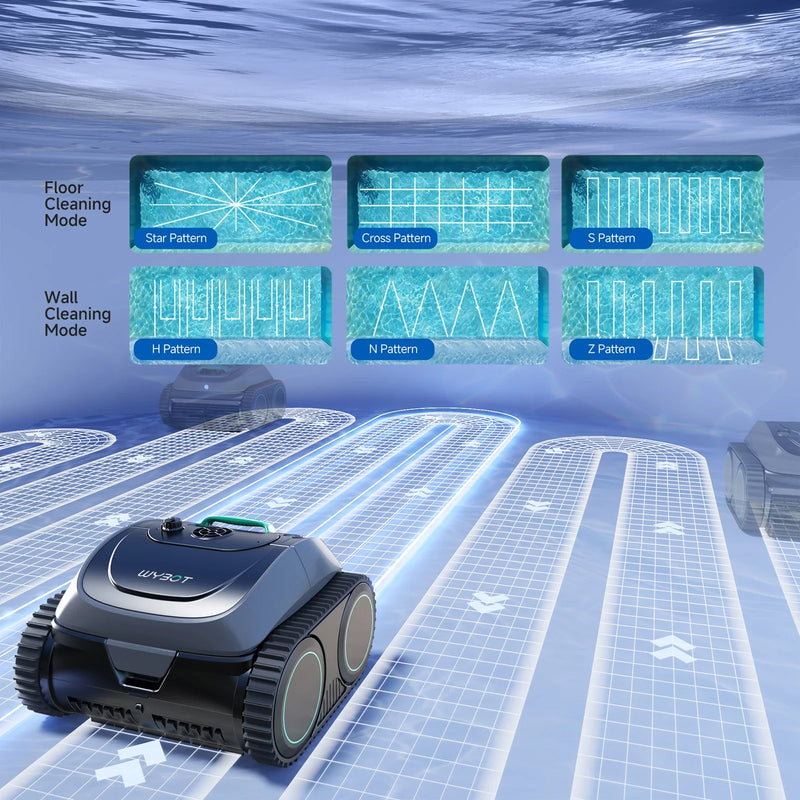
Keeping an inground pool clean does not need to be time-consuming. With the right vacuuming method and a simple maintenance routine, pool owners can enjoy clean water while spending less time on upkeep. Modern pool cleaning tools, especially robotic pool vacuums, make it easier than ever to maintain a healthy and attractive swimming pool with minimal effort.
Regular vacuuming removes dirt, leaves, algae particles, insects, and debris that settle on the pool floor and walls. Even with a strong filtration system, debris will gradually build up over time. If ignored, it can affect water clarity, increase chemical usage, and put additional strain on pool equipment. Consistent cleaning helps improve water circulation, extend equipment lifespan, and reduce overall maintenance costs.
Choosing the right vacuum is one of the most important steps for reducing maintenance effort. Manual pool vacuums are affordable and suitable for spot cleaning, but they require more physical work. Suction-side cleaners automatically move through the pool using the pool pump’s suction power and are ideal for light debris. Pressure-side cleaners work well for larger debris and help reduce filter stress. Robotic pool vacuums offer the most convenient solution because they operate independently, use smart navigation systems, and require very little user involvement.
A simple maintenance schedule can prevent dirt buildup and make pool care easier throughout the season.
| Pool Maintenance Task | Recommended Frequency |
|---|---|
| Remove floating debris | Daily |
| Vacuum pool floor | 1–2 times weekly |
| Brush pool walls | Weekly |
| Empty skimmer baskets | Weekly |
| Test water chemistry | 2–3 times weekly |
| Clean pool filter | Monthly or as needed |
Preparing the pool before vacuuming improves cleaning efficiency and shortens the cleaning process. Removing large debris first prevents clogging and allows the vacuum to focus on finer dirt particles. Brushing the walls loosens dirt and algae so they can be collected more easily during vacuuming.
| Preparation Step | Purpose |
|---|---|
| Remove leaves and debris | Prevent clogging |
| Empty baskets | Improve suction |
| Brush walls and corners | Loosen dirt buildup |
| Check water level | Maintain proper circulation |
| Inspect vacuum equipment | Avoid interruptions |
For homeowners using a manual pool vacuum, following a simple process can improve results while reducing effort.
| Step | Action |
|---|---|
| 1 | Connect vacuum head and hose |
| 2 | Submerge hose to remove air |
| 3 | Attach hose to skimmer |
| 4 | Vacuum slowly with overlapping passes |
| 5 | Monitor filter pressure |
| 6 | Rinse equipment after use |
Moving slowly during vacuuming is important because fast movement can stir debris back into the water. Overlapping cleaning paths also help avoid missed spots and improve overall efficiency.

Using a pool cover is another effective way to reduce maintenance work. Covers keep out leaves, dust, insects, and other debris, especially during windy weather or when the pool is not in use. This reduces the amount of vacuuming needed and helps maintain balanced water chemistry.
Maintaining proper chemical balance also plays a major role in minimizing cleaning effort. Balanced water prevents algae growth and reduces dirt accumulation on pool surfaces.
| Water Parameter | Ideal Range |
|---|---|
| pH | 7.2–7.6 |
| Chlorine | 1–3 ppm |
| Total Alkalinity | 80–120 ppm |
| Calcium Hardness | 200–400 ppm |
Clean filters are equally important. Dirty filters reduce water circulation and vacuum suction, making cleaning less effective. Cartridge filters should be rinsed regularly, sand filters should be backwashed when needed, and DE filters require periodic maintenance for best performance.
Certain pool areas usually collect more debris than others. Corners, pool steps, ladders, and areas near trees often need extra attention. Regularly cleaning these sections prevents dirt from accumulating and reduces deep-cleaning requirements later.
Many pool owners now choose robotic pool cleaners because they significantly reduce manual maintenance. Modern robotic cleaners can clean pool floors, walls, and waterlines automatically. Advanced models include programmable cleaning schedules, smart navigation systems, and app-based controls for convenient operation.
Cordless robotic pool vacuums are especially popular because they eliminate cable tangling and simplify storage. They are energy efficient, easy to operate, and suitable for both small and large inground pools. For busy homeowners, robotic cleaners offer one of the easiest ways to maintain a consistently clean pool with minimal effort.
Seasonal maintenance also helps keep cleaning manageable throughout the year.
| Season | Recommended Maintenance |
|---|---|
| Spring | Deep clean and remove winter debris |
| Summer | Increase vacuum frequency during heavy use |
| Fall | Remove leaves quickly and use a cover |
| Winter | Perform final vacuum before closing pool |
Energy-efficient cleaning habits can further reduce long-term maintenance costs. Variable-speed pumps, efficient robotic cleaners, and shorter pump runtimes all help reduce electricity consumption while maintaining water quality.
Vacuuming an inground pool does not need to be complicated. By combining a consistent cleaning schedule, balanced water chemistry, clean filters, and efficient cleaning equipment, pool owners can maintain crystal-clear water with far less effort. Robotic pool vacuums, pool covers, and regular preventative maintenance all contribute to a cleaner pool and a more enjoyable swimming experience.


