

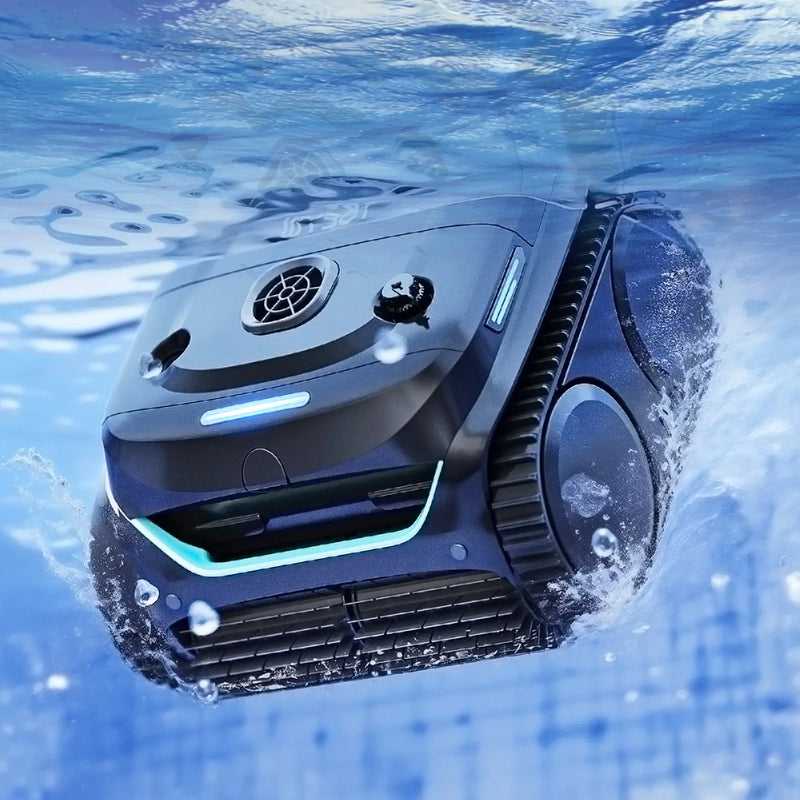
Maintaining a clean and inviting swimming pool requires more than occasional skimming and chemical balancing. Debris of all sizes—from large leaves to fine sand—can accumulate quickly, impacting both water clarity and overall pool health. For pool owners seeking a versatile and efficient cleaning solution, the pool blaster vacuum has emerged as a powerful tool capable of handling a wide range of debris types with precision and ease.
In 2026, advancements in portable pool cleaning technology have made pool blaster vacuums more effective, user-friendly, and adaptable than ever before. This article explores how these devices tackle different types of debris, their key features, and why they are becoming an essential part of modern pool maintenance.
Understanding the Challenge of Mixed Pool Debris
Swimming pools are constantly exposed to environmental elements. Leaves, twigs, insects, dust, algae, and sand can all find their way into the water. Each type of debris presents unique challenges.
Large debris such as leaves can clog filtration systems if not removed promptly. Fine particles like sand and silt are more difficult to capture and often settle in hard-to-reach areas. Traditional cleaning tools may struggle to address this variety effectively, requiring multiple passes or different equipment.
A pool blaster vacuum is specifically designed to handle this diversity, offering a comprehensive solution in a single device.
What Is a Pool Blaster Vacuum
A pool blaster vacuum is a portable, often cordless cleaning device that operates independently of the pool’s main filtration system. Unlike built-in or suction-side cleaners, it uses an internal motor and filtration unit to capture debris directly.
These vacuums are typically lightweight and handheld or pole-mounted, making them ideal for targeted cleaning tasks. Their portability allows users to quickly address problem areas without setting up complex equipment.
This flexibility is a major reason why pool blaster vacuums are gaining popularity among homeowners.

Powerful Suction for Large Debris Removal
One of the primary strengths of a pool blaster vacuum is its ability to handle large debris. Leaves, acorns, and small branches can accumulate rapidly, especially in outdoor pools surrounded by trees.
With strong suction power, these vacuums can lift and capture bulky debris without clogging. The design of the intake and debris chamber ensures that larger items are collected efficiently, reducing the need for manual removal.
This capability is particularly useful after storms or windy conditions, when debris levels are higher than usual.
Precision Cleaning for Fine Particles Like Sand
While large debris is visible and easy to identify, fine particles such as sand and dirt can be more problematic. These particles often settle at the bottom of the pool, creating a gritty surface and affecting water clarity.
Pool blaster vacuums are equipped with fine filtration systems that can trap these small particles effectively. Their targeted suction allows users to focus on specific areas where sand tends to accumulate, such as corners and steps.
This level of precision ensures a more thorough cleaning compared to traditional methods.
Versatility Across Different Pool Areas
Pools are not uniform spaces. Steps, ladders, corners, and tight crevices can be difficult to clean with larger automated devices. A pool blaster vacuum excels in these areas due to its compact design.
Users can easily maneuver the vacuum into hard-to-reach spots, ensuring that no area is left untreated. This makes it an excellent complement to robotic cleaners, which may focus on larger surfaces but miss detailed areas.
The ability to switch between broad cleaning and targeted detailing adds significant value.
Cordless Operation for Maximum Convenience
Modern pool blaster vacuums often feature cordless designs powered by rechargeable batteries. This eliminates the need for hoses or external power connections, simplifying the cleaning process.
Cordless operation provides greater freedom of movement, allowing users to clean without restrictions. It also enhances safety by removing the risk of tangled cords or electrical hazards near water.
For many homeowners, this convenience is a key factor in choosing a pool blaster vacuum.
Independent Filtration System Benefits
Because pool blaster vacuums operate independently, they do not rely on the pool’s existing filtration system. This reduces strain on the main pump and filter, which can extend the lifespan of pool equipment.
Additionally, independent filtration allows for immediate debris removal without circulating particles through the pool system. This results in faster cleaning and improved water quality.
For pools with heavy debris loads, this feature is particularly beneficial.
Easy Maintenance and Debris Disposal
Maintenance is an important consideration for any pool cleaning tool. Pool blaster vacuums are designed with user-friendly debris chambers that can be easily emptied and cleaned.
Most models feature reusable filter bags or cartridges that can be rinsed quickly. This simplicity encourages regular use, ensuring that the pool remains consistently clean.
Reduced maintenance effort also makes these devices more appealing to busy users.
Energy Efficiency and Cost Effectiveness
Energy efficiency is another advantage of pool blaster vacuums. Their self-contained systems consume less power compared to larger automated cleaners connected to pool pumps.
This lower energy usage translates into cost savings over time. Additionally, their ability to target specific areas reduces the need for prolonged cleaning sessions, further improving efficiency.
For budget-conscious pool owners, this combination of performance and affordability is highly attractive.
Ideal Use Cases for Pool Blaster Vacuums
Pool blaster vacuums are suitable for a variety of scenarios. They are ideal for quick cleanups, spot cleaning, and maintaining smaller pools or spas.
They are also useful as a supplementary tool alongside robotic cleaners, providing detailed cleaning where automation may fall short. For above-ground pools, where traditional systems may be less practical, these vacuums offer a convenient solution.
Their adaptability makes them a valuable addition to any pool maintenance routine.
Supporting Better Pool Hygiene
Effective debris removal is essential for maintaining proper pool hygiene. Organic debris can decompose and contribute to algae growth, while fine particles can harbor bacteria.
By removing debris promptly and efficiently, pool blaster vacuums help maintain cleaner water and reduce the need for excessive chemical treatments. This contributes to a healthier swimming environment for users.
Consistent cleaning also enhances the overall appearance and enjoyment of the pool.
Choosing the Right Pool Blaster Vacuum
When selecting a pool blaster vacuum, it is important to consider factors such as suction power, battery life, filtration capability, and ease of use.
A well-balanced model will provide strong performance across different debris types while remaining convenient to operate. Durability and maintenance requirements should also be taken into account to ensure long-term value.
By choosing the right device, pool owners can maximize the benefits of this versatile cleaning solution.

From large leaves to fine sand, maintaining a clean pool requires a tool capable of handling diverse challenges. Pool blaster vacuums offer a practical and efficient solution, combining powerful suction, precise cleaning, and user-friendly design.
Their ability to tackle various types of debris, operate independently, and provide targeted cleaning makes them an essential tool for modern pool care. As technology continues to advance, these devices are set to play an even greater role in simplifying pool maintenance.
For pool owners seeking flexibility, efficiency, and reliable performance, a pool blaster vacuum is a smart and valuable investment.


