

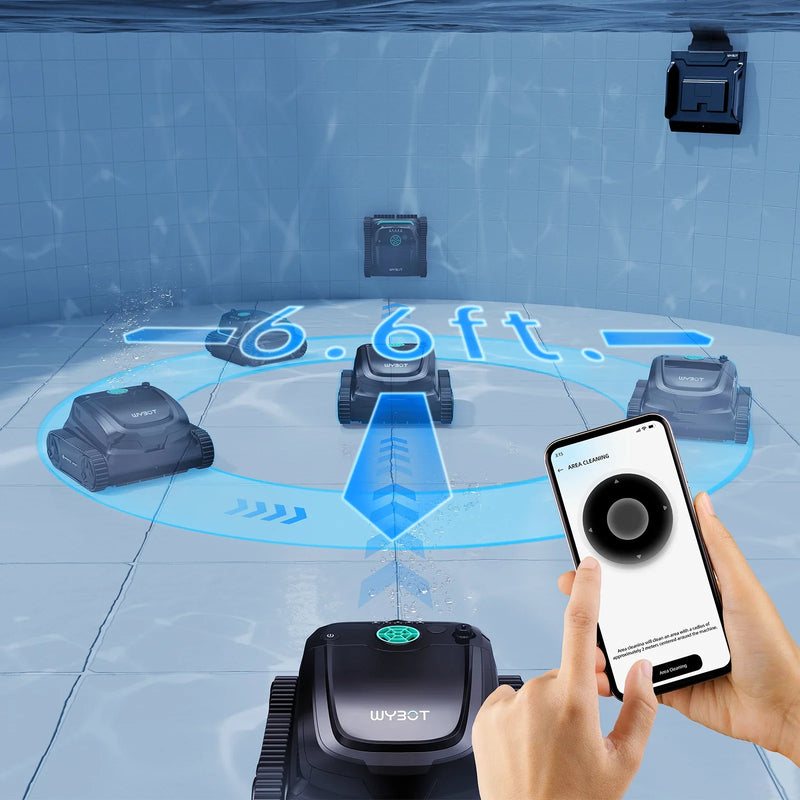
Keeping a pool clean has evolved significantly with the advancement of battery technology. Traditional pool cleaning methods often involve tangled cords, complex setups, and time-consuming manual work. In contrast, battery-powered pool vacuums offer a streamlined and user-friendly alternative. These devices, especially cordless robotic cleaners, provide greater flexibility and convenience for modern pool owners.
Battery pool vacuums are designed to operate independently of pool filtration systems, making them highly versatile. They are suitable for both above-ground and in-ground pools, and their growing popularity reflects a broader shift toward smart, efficient home maintenance solutions. Choosing the right model can save time, reduce effort, and ensure consistently clean water.
Understanding How Battery Pool Vacuums Work
Battery pool vacuums rely on rechargeable lithium-ion batteries to power their motors and suction systems. Unlike traditional cleaners that depend on external pumps or electrical connections, these devices are self-contained units. This independence allows for easy deployment and removal without the need for hoses or cables.
There are generally two main categories of battery pool vacuums. Handheld models are designed for targeted cleaning tasks such as removing debris from steps, corners, and tight spaces. Cordless robotic pool cleaners, on the other hand, are fully automated and capable of cleaning larger areas, including pool floors and sometimes walls. Many modern units also incorporate intelligent navigation systems that optimize cleaning paths and improve overall efficiency.
Key Factors to Consider When Choosing a Battery Pool Vacuum
Selecting the right battery pool vacuum requires careful consideration of several important factors. The size and type of your pool are among the most critical elements. Smaller above-ground pools typically require less powerful devices with shorter runtimes, while larger in-ground pools demand more advanced models with extended battery life and stronger suction capabilities.
Battery performance plays a crucial role in overall usability. A vacuum with insufficient runtime may not be able to complete a full cleaning cycle, leading to inconsistent results. Charging time is another consideration, particularly for users who clean their pools frequently. Models that balance long runtime with reasonable charging durations provide the best overall experience.
Suction power and filtration efficiency are equally important. A high-quality battery pool vacuum should be capable of handling a wide range of debris, from fine particles like sand and silt to larger items such as leaves and insects. Advanced filtration systems help capture even the smallest contaminants, ensuring clearer and healthier pool water.
Ease of use and maintenance should not be overlooked. Features such as one-button operation, lightweight construction, and easy-to-clean filter baskets contribute to a more convenient user experience. Durable construction materials and strong waterproofing are also essential, as these devices must withstand prolonged exposure to water and pool chemicals.

Comparing Handheld and Robotic Battery Pool Vacuums
| Feature | Handheld Battery Pool Vacuum | Cordless Robotic Pool Vacuum |
|---|---|---|
| Cleaning Type | Spot cleaning | Full pool cleaning |
| Operation | Manual control | Fully automatic |
| Coverage Area | Limited to specific areas | Comprehensive pool coverage |
| Battery Usage | Lower consumption | Higher but optimized |
| Price Range | Budget-friendly | Mid to high-end investment |
| Best Use Case | Stairs, corners, quick cleanups | Regular maintenance of entire pool |
Handheld models are practical for quick touch-ups and precision cleaning, while robotic vacuums deliver a hands-free experience and consistent results across the entire pool. Many pool owners find that combining both types provides the most effective cleaning strategy.
Benefits of Using a Battery Pool Vacuum
One of the most significant advantages of battery pool vacuums is their cordless design. Without the need for external power connections, users can operate these devices with greater freedom and flexibility. This is particularly beneficial for pools located far from electrical outlets or in areas where cord management is challenging.
Energy efficiency is another key benefit. Battery-powered vacuums typically consume less energy than traditional systems that rely on pool pumps. This not only reduces electricity costs but also contributes to a more environmentally friendly approach to pool maintenance.
Portability and ease of storage further enhance their appeal. Most battery pool vacuums are compact and lightweight, making them easy to transport and store when not in use. Additionally, their quiet operation allows for cleaning at any time without causing disruptions.
Common Mistakes to Avoid When Buying
Many buyers make the mistake of focusing solely on price when selecting a battery pool vacuum. While budget considerations are important, choosing the cheapest option often leads to compromises in performance and durability. It is essential to evaluate the overall value rather than just the initial cost.
Another common oversight is failing to match the vacuum’s capabilities with the pool’s size and characteristics. A device with limited battery life or weak suction may struggle to clean larger pools effectively. Similarly, neglecting filtration quality can result in poor cleaning outcomes, especially in pools with fine debris.
Compatibility is also a factor that should not be ignored. Some vacuums are better suited for specific pool types or surfaces, and selecting an incompatible model can lead to inefficiencies and frustration.
Expert Tips for Maximizing Performance
To get the most out of a battery pool vacuum, consistent maintenance is essential. Cleaning the filter after each use helps maintain strong suction and prevents clogs. Ensuring that the battery is fully charged before operation allows the device to complete its cleaning cycle without interruption.
Regular use of the vacuum can prevent the buildup of debris and reduce the need for intensive cleaning sessions. Proper storage in a cool and dry environment also helps extend the lifespan of the battery and internal components.
Paying attention to manufacturer guidelines and recommended usage practices can further enhance performance and reliability over time.
Finding the Best Solution for Your Pool
Choosing the right battery pool vacuum involves balancing performance, convenience, and durability. By understanding how these devices work and evaluating key features such as battery life, suction power, and ease of use, you can make a well-informed decision.
Handheld vacuums are ideal for quick and precise cleaning, while robotic models offer a fully automated solution for maintaining larger pools. Ultimately, the best choice depends on your specific needs and preferences. With the right battery pool vacuum, maintaining a clean and inviting pool becomes a simple and efficient task.


