

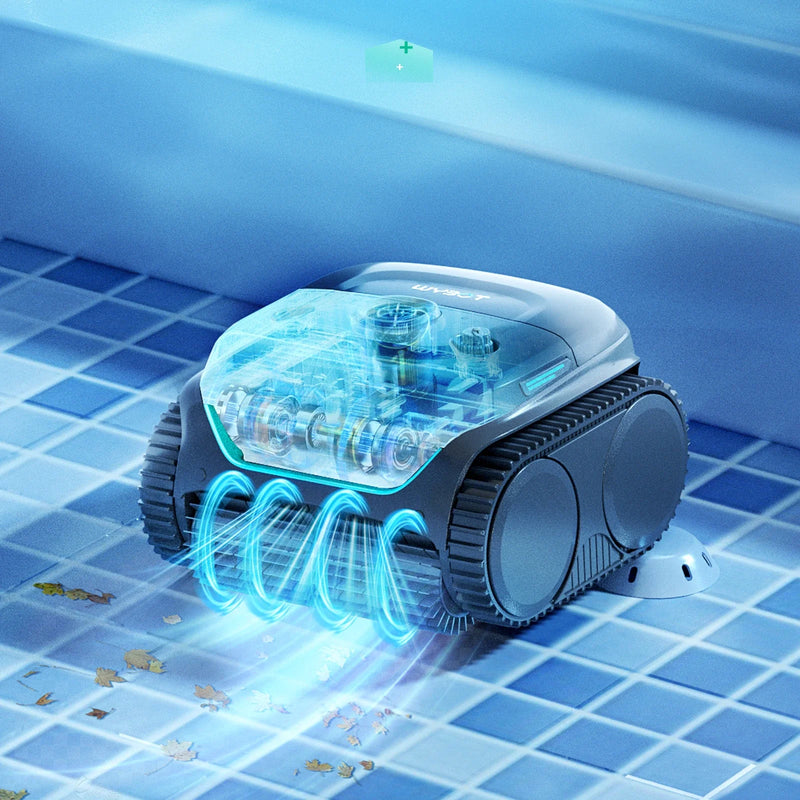
Keeping a swimming pool clean is essential for water quality, equipment protection, and a pleasant swimming experience. Pool owners today often face one important question: should they invest in an automatic pool cleaner vacuum or continue using traditional manual cleaning methods? Both options can help maintain a clean pool, but they differ greatly in convenience, efficiency, maintenance requirements, and long-term value.
This full comparison explores the differences between automatic pool cleaner vacuums and manual pool cleaning to help pool owners make the right decision for their needs.
Understanding Automatic Pool Cleaner Vacuums
An automatic pool cleaner vacuum is a device designed to clean the pool floor, walls, and sometimes the waterline with minimal human effort. These cleaners can operate independently or connect to the pool filtration system depending on the model.
There are three main types of automatic pool cleaners:
- Robotic pool cleaners
- Suction-side pool cleaners
- Pressure-side pool cleaners
Robotic pool cleaners are among the most advanced options because they use smart navigation systems, built-in filters, and independent motors for efficient cleaning.
Automatic cleaners are designed to reduce cleaning time while maintaining consistent pool hygiene.
What Is Manual Pool Cleaning
Manual pool cleaning involves using tools such as:
- Pool vacuum heads
- Telescopic poles
- Manual brushes
- Skimmer nets
- Hose-connected vacuum systems
The pool owner manually guides the vacuum around the pool to remove dirt, debris, algae, and leaves. Manual cleaning has been used for decades and remains common among pool owners with smaller pools or limited budgets.
While manual cleaning can be effective, it requires physical effort and regular time commitment.
Cleaning Efficiency Comparison
One of the biggest differences between automatic pool cleaner vacuums and manual cleaning is efficiency.
Automatic pool cleaners are designed to clean systematically. Advanced robotic cleaners use intelligent mapping technology to cover the entire pool without missing major areas. Many models can climb walls, scrub surfaces, and trap fine particles.
Manual cleaning relies heavily on the user’s technique and patience. It is easy to miss corners, steps, or deep-end areas during manual vacuuming.
Here is a simple comparison table:
| Feature | Automatic Pool Cleaner Vacuum | Manual Cleaning |
|---|---|---|
| Cleaning Coverage | Consistent and thorough | Depends on user effort |
| Wall Climbing | Available on many models | Limited |
| Fine Debris Removal | Excellent with advanced filters | Moderate |
| Cleaning Time | Mostly automated | Fully manual |
| Daily Maintenance | Minimal | Higher |
For large pools or pools exposed to heavy debris, automatic cleaners often provide more reliable results.
Time and Labor Requirements
Pool cleaning can become time-consuming, especially during peak swimming seasons.
Automatic pool cleaners save significant time because they work independently. Most robotic pool cleaners can finish cleaning cycles within two to three hours while the owner focuses on other tasks.
Manual cleaning requires active participation throughout the process. Vacuuming, brushing, and skimming can take anywhere from 30 minutes to several hours depending on pool size and debris levels.
For busy homeowners, automatic cleaners offer a major convenience advantage.
Water Filtration and Debris Collection
Modern automatic pool cleaner vacuums often include advanced filtration systems capable of trapping fine dust, sand, insects, and algae particles.
Robotic cleaners usually have internal filter baskets that reduce strain on the pool’s main filtration system. This helps improve overall filtration efficiency and may extend the lifespan of the pool pump and filter.
Manual vacuum systems usually depend directly on the pool filtration system. As debris travels through the pool filter, the system may require more frequent backwashing or cartridge cleaning.
For pools surrounded by trees or exposed to dust and pollen, automatic cleaners can provide superior debris management.

Energy Consumption and Operating Costs
Some pool owners worry that automatic pool cleaners consume more energy. However, many modern robotic cleaners are designed with energy-efficient motors.
Robotic pool cleaners often use less electricity than running the pool pump for extended manual vacuuming sessions. Since they operate independently, they can optimize cleaning performance while minimizing energy use.
Manual cleaning itself does not consume additional electricity beyond the pool pump, but it does require more human labor and time.
When evaluating operating costs, pool owners should consider:
- Electricity usage
- Water loss during filter backwashing
- Equipment wear and tear
- Personal time investment
Over time, automatic pool cleaners may help reduce maintenance expenses through efficient cleaning cycles and better debris control.
Initial Investment Comparison
Manual cleaning equipment is usually more affordable upfront. Basic vacuum heads, poles, hoses, and brushes are relatively inexpensive compared to automatic pool cleaners.
Automatic pool cleaner vacuums require a higher initial investment, especially premium robotic models with advanced features such as:
- Smart navigation
- App control
- Weekly scheduling
- Multiple cleaning modes
- Enhanced filtration systems
Although the purchase price is higher, many pool owners consider automatic cleaners a worthwhile long-term investment because they reduce labor and improve cleaning consistency.
Maintenance and Durability
Both automatic cleaners and manual cleaning tools require maintenance.
Automatic pool cleaner vacuums need occasional filter cleaning, brush replacement, and motor inspection. High-quality robotic cleaners are built for long-term use and often feature durable materials designed for pool environments.
Manual cleaning tools are simpler and usually easier to replace, but hoses, brushes, and vacuum heads can wear out over time.
Routine maintenance helps maximize the lifespan of both cleaning systems.
Pool Size and Type Considerations
The best cleaning method often depends on the type and size of the pool.
Automatic pool cleaner vacuums are highly beneficial for:
- Large inground pools
- Deep pools
- Pools with complex shapes
- Pools with heavy debris exposure
- Frequent swimmers
Manual cleaning may still work well for:
- Small above-ground pools
- Temporary pools
- Light debris conditions
- Budget-conscious pool owners
Choosing the right cleaner depends on cleaning frequency, pool environment, and maintenance expectations.
User Convenience and Smart Features
Modern robotic pool cleaners offer several convenience features that manual cleaning cannot match.
Many advanced models now include:
- Wi-Fi or app connectivity
- Programmable cleaning schedules
- Smart route planning
- Waterline cleaning
- Automatic shutoff systems
These features allow pool owners to automate regular maintenance with minimal effort.
Manual cleaning gives users complete control over the cleaning process, but it requires more physical work and ongoing attention.
Which Option Is Better for Pool Owners
There is no single answer for every pool owner because both methods have advantages.
Automatic pool cleaner vacuums are ideal for those who want:
- Convenience
- Time savings
- Consistent cleaning performance
- Reduced manual labor
- Better debris management
Manual cleaning may be suitable for those who:
- Have smaller pools
- Prefer lower upfront costs
- Only need occasional cleaning
- Enjoy hands-on pool maintenance
In many cases, pool owners combine both methods by using an automatic cleaner for regular maintenance and manual tools for spot cleaning or detailed brushing.
Automatic pool cleaner vacuums have transformed modern pool maintenance by offering efficient, convenient, and consistent cleaning performance. Their smart features, advanced filtration systems, and labor-saving benefits make them increasingly popular among residential pool owners.
Manual cleaning still remains a practical option for smaller pools and budget-conscious users, especially when used occasionally or alongside automated systems.
When comparing automatic pool cleaner vacuums versus manual cleaning, the best choice ultimately depends on pool size, maintenance goals, available time, and budget. Investing in the right cleaning solution can help maintain cleaner water, improve swimming comfort, and reduce long-term pool maintenance stress.


