

Keeping a swimming pool clean is essential for maintaining water clarity, protecting pool equipment, and creating a comfortable swimming environment. Over time, sand, leaves, dirt, insects, and other debris naturally collect at the bottom of the pool. Without proper cleaning, these materials can affect water circulation and reduce the overall appearance of the pool.
Vacuuming is one of the most effective ways to remove debris from pool surfaces and maintain healthy water conditions. Whether using a manual pool vacuum, an automatic cleaner, or a robotic pool vacuum, regular cleaning helps improve filtration efficiency and supports long-term pool maintenance.
A clean pool not only looks better but also reduces strain on pumps and filtration systems, helping equipment perform more efficiently throughout the swimming season.
Common Types of Debris Found in Swimming Pools
Swimming pools are exposed to many environmental elements that contribute to debris buildup. Understanding the most common contaminants helps pool owners choose the right cleaning method.
Sand and Fine Particles
Sand often enters pools through wind, landscaping work, nearby construction, or swimmers carrying debris on their feet. Fine particles can settle at the bottom of the pool and become difficult to remove without proper vacuuming equipment.
Leaves and Organic Debris
Trees, plants, and outdoor weather conditions frequently introduce leaves, twigs, flowers, and grass into the water. Organic debris can quickly accumulate, especially during windy seasons.
Dirt and Dust
Dust and soil may enter the pool from surrounding decks, gardens, or foot traffic. These particles often cloud the water if not removed regularly.
Insects and Small Debris
Outdoor pools naturally attract insects and small floating particles that collect near pool corners, steps, and skimmer areas.
Routine vacuuming helps remove all of these materials before they impact water quality.
Choosing the Right Pool Vacuum
Different pool types and cleaning needs require different vacuum systems. Selecting the right equipment improves cleaning performance and saves time.
Manual Pool Vacuums
Manual vacuums are connected to the pool’s filtration system and operated using a telescopic pole. They provide excellent control and are ideal for targeted cleaning.
Benefits include:
- Affordable operation
- Precise cleaning control
- Effective for spot cleaning
- Suitable for smaller pools
Manual vacuuming is especially useful for removing concentrated sand and heavy debris from specific areas.
Automatic Pool Vacuums
Automatic vacuums move independently around the pool and collect debris with minimal supervision.
Advantages include:
- Reduced manual effort
- Consistent cleaning patterns
- Time-saving operation
- Suitable for medium and large pools
Automatic systems help maintain routine cleanliness with less operator involvement.
Robotic Pool Cleaners
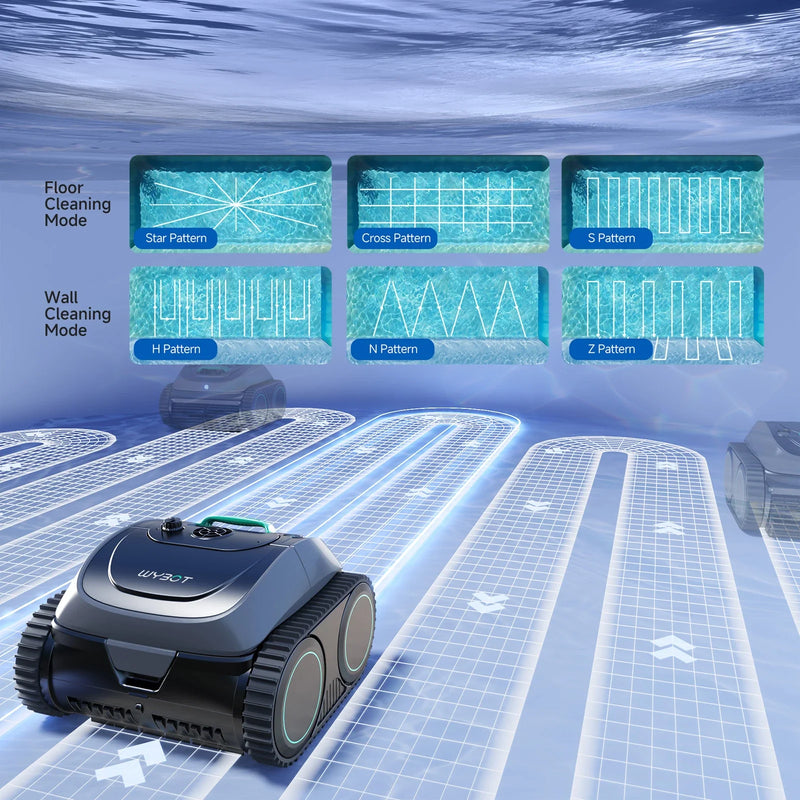
Robotic pool vacuums are among the most advanced cleaning solutions available today. These units use built-in motors, smart navigation systems, and independent filtration.
Key features include:
- Energy-efficient operation
- Intelligent navigation
- Fine particle filtration
- Wall and floor cleaning capability
Robotic cleaners are highly effective for removing sand, leaves, and dirt from modern swimming pools.

Preparing the Pool Before Vacuuming
Proper preparation helps improve vacuuming efficiency and prevents unnecessary equipment strain.
Before vacuuming:
- Remove large floating debris with a skimmer net
- Empty skimmer baskets
- Check water level consistency
- Inspect vacuum hoses and connections
- Brush pool walls and steps to loosen debris
Brushing surfaces before vacuuming allows dirt and algae particles to settle on the pool floor, making them easier to remove.
How to Vacuum a Pool Manually
Manual vacuuming provides excellent cleaning precision when performed correctly.
Step 1: Assemble the Vacuum
Connect the vacuum head to the telescopic pole and attach the vacuum hose securely.
Step 2: Prime the Hose
Submerge the hose completely underwater to remove trapped air. This helps maintain proper suction during operation.
Step 3: Connect to the Skimmer
Attach the hose to the skimmer inlet or designated suction port.
Step 4: Vacuum Slowly
Move the vacuum head slowly across the pool floor using overlapping strokes. Moving too quickly may stir debris back into the water.
Step 5: Monitor Filter Pressure
During cleaning, monitor the pool filter pressure and clean the filter if necessary to maintain strong suction performance.
Careful and consistent movement improves debris removal efficiency.
Best Techniques for Removing Sand From a Pool
Sand can be one of the most challenging pool contaminants because fine particles settle tightly on surfaces.
To remove sand effectively:
- Vacuum slowly to avoid disturbing particles
- Use fine filtration systems
- Focus on corners and low circulation areas
- Clean filters after vacuuming
- Repeat cleaning if necessary for heavy buildup
Robotic cleaners with fine filtration capabilities are particularly effective for handling small sand particles.
Removing Leaves and Organic Debris
Leaves and organic debris can quickly affect pool cleanliness if not removed regularly.
For best results:
- Use a skimmer before vacuuming
- Empty debris baskets frequently
- Vacuum after storms or windy conditions
- Trim nearby plants when possible
Large leaf accumulation may reduce water circulation and place extra strain on filtration systems.
Routine cleaning helps maintain a cleaner swimming environment throughout the year.
Vacuuming Dirt and Fine Dust Efficiently
Fine dust particles may remain suspended in the water before settling on the pool floor.
To improve dirt removal:
- Run the filtration system before vacuuming
- Vacuum during calm weather conditions
- Use slow, overlapping cleaning patterns
- Backwash sand filters when needed
Consistent maintenance helps reduce cloudy water and improves overall pool clarity.
How Often Should You Vacuum a Pool
The ideal vacuuming schedule depends on pool usage, climate, and surrounding environmental conditions.
General recommendations include:
- Residential pools: once or twice per week
- Pools near trees: more frequent cleaning
- After storms or landscaping work: immediate cleaning
- High-traffic pools: increased maintenance schedule
Regular vacuuming prevents debris buildup and supports balanced water conditions.
Maintaining Pool Equipment During Cleaning
Proper equipment maintenance helps improve vacuum performance and extends equipment lifespan.
Important maintenance practices include:
- Cleaning filters regularly
- Checking vacuum hoses for leaks
- Emptying debris containers
- Inspecting brushes and wheels
- Storing equipment properly after use
Well-maintained cleaning equipment operates more efficiently and provides better long-term results.
Benefits of Regular Pool Vacuuming
Consistent pool vacuuming offers several important advantages.
Improved Water Clarity
Removing dirt and debris helps maintain clear, attractive water.
Better Filtration Efficiency
Clean pools place less strain on pumps and filters.
Reduced Surface Staining
Organic debris left in the pool may contribute to surface discoloration over time.
Enhanced Swimming Comfort
A debris-free pool creates a more enjoyable swimming experience.
Longer Equipment Lifespan
Reducing debris buildup helps protect pumps, filters, and circulation systems.

Vacuuming a pool to remove sand, leaves, and dirt is an essential part of proper pool maintenance. Regular cleaning improves water clarity, supports efficient filtration, and creates a cleaner swimming environment for everyone.
Whether using a manual vacuum, automatic cleaner, or advanced robotic pool cleaner, choosing the right equipment and following proper cleaning techniques can significantly improve results. With consistent maintenance and careful debris removal, pool owners can keep their swimming pools clean, attractive, and ready for enjoyable use throughout the season.


