

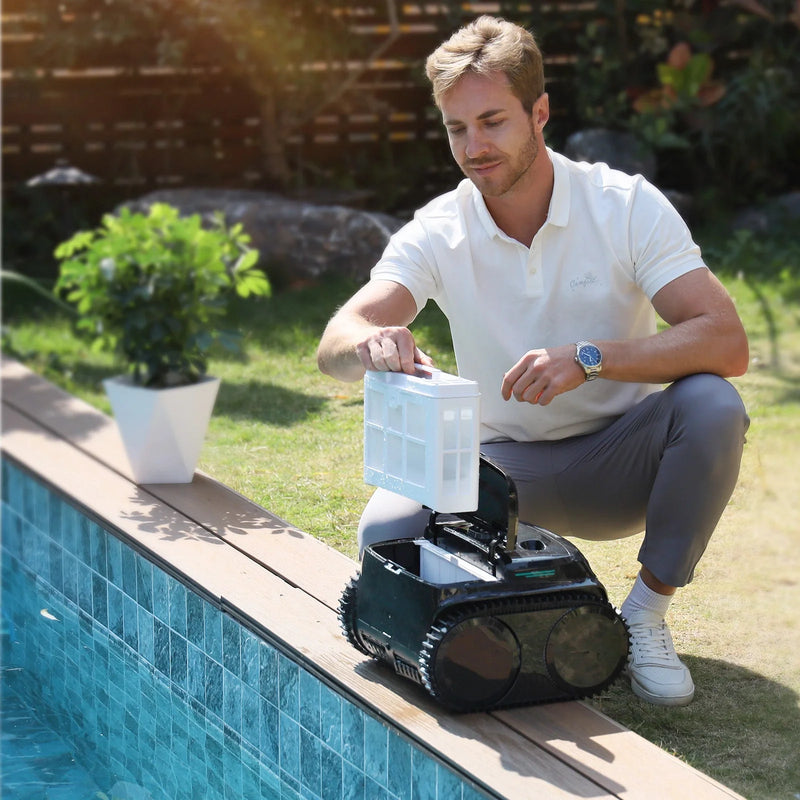
Keeping a swimming pool clean and inviting requires more than adding chemicals and skimming leaves from the surface. One of the most important maintenance tasks is vacuuming the pool. Regular vacuuming removes dirt, debris, algae, and fine particles that can make the water cloudy and create an unhealthy swimming environment.
However, many pool owners unknowingly make mistakes when vacuuming their pools. These errors can reduce cleaning efficiency, damage pool equipment, increase maintenance costs, and lead to poor water quality. Understanding these common mistakes and learning simple solutions can help pool owners maintain crystal-clear water while extending the lifespan of their pool systems.
This guide explains the most common pool vacuuming mistakes and offers practical solutions to help you achieve professional-level cleaning results.
Why Proper Pool Vacuuming Matters
Pool vacuuming is essential because not all debris is captured by the filtration system. Dirt, sand, insects, leaves, pollen, and algae often settle on the pool floor and walls. Without regular vacuuming, these contaminants can accumulate and affect both water clarity and sanitation.
Proper vacuuming provides several important benefits:
- Improves water clarity
- Reduces algae growth
- Enhances swimmer comfort
- Supports filtration efficiency
- Reduces chemical consumption
- Extends equipment lifespan
Whether you use a manual pool vacuum, an automatic cleaner, or a robotic pool vacuum, following correct vacuuming practices helps maximize cleaning performance.
Common Mistake #1: Vacuuming Too Quickly
One of the most frequent mistakes pool owners make is moving the vacuum head too fast across the pool floor.
When the vacuum moves rapidly, debris becomes disturbed and floats back into the water instead of being collected. Fine particles such as dust, pollen, and sand are especially likely to escape suction.
As a result, the pool may appear clean initially, but suspended particles eventually settle again, requiring additional cleaning.
Easy Solution:
Move the vacuum slowly and steadily across the pool surface.
Use overlapping passes similar to mowing a lawn. This method ensures complete coverage while allowing sufficient suction time to remove debris effectively.
Slow, deliberate vacuuming often produces better results than rushing through the task.
Common Mistake #2: Ignoring the Pool Filter Before Vacuuming
Many pool owners begin vacuuming without checking the condition of their filter system.
A dirty filter reduces water flow and suction power. Even the best vacuum equipment cannot perform efficiently if the filtration system is clogged.
Weak suction often causes debris to remain on the pool floor or recirculate into the water.
Easy Solution:
Inspect and clean the filter before vacuuming.
Depending on your filtration system:
- Backwash sand filters when needed
- Clean cartridge filters regularly
- Inspect DE filters for buildup
A clean filter improves suction performance and enhances overall cleaning efficiency.
Common Mistake #3: Not Brushing the Pool Before Vacuuming
Vacuuming alone may not remove debris that is attached to pool walls or trapped in surface imperfections.
Algae spores, dirt, and biofilm often cling to pool surfaces, making them difficult to collect through vacuuming alone.
Skipping brushing can leave hidden contaminants behind.
Easy Solution:
Brush the pool walls, steps, corners, and floor before vacuuming.
Allow loosened debris to settle for several hours before vacuuming. This process makes it easier for the vacuum to collect particles effectively.
Brushing is particularly important for pools exposed to heavy sunlight or prone to algae growth.
Common Mistake #4: Vacuuming During Poor Water Conditions
Cloudy water can make it difficult to see debris and identify areas requiring cleaning.
Vacuuming during severe algae outbreaks or after heavy storms may also spread contaminants throughout the pool.
Poor visibility often results in missed spots and incomplete cleaning.
Easy Solution:
Balance water chemistry before vacuuming.
Test and adjust:
- pH levels
- Chlorine levels
- Alkalinity
- Calcium hardness
If algae are present, shock the pool first and allow dead algae to settle before vacuuming.
Clear water improves visibility and cleaning effectiveness.

Common Mistake #5: Neglecting Pool Corners and Steps
Many pool owners focus primarily on the center of the pool floor while overlooking corners, steps, ledges, and tight spaces.
These areas frequently collect debris because water circulation is weaker.
Leaves, dirt, and algae can accumulate unnoticed and eventually spread throughout the pool.
Easy Solution:
Pay special attention to:
- Pool corners
- Steps
- Benches
- Ladders
- Deep-end transitions
- Around drains
Use specialized vacuum attachments or manual brushes for hard-to-reach areas.
A thorough cleaning routine prevents hidden debris buildup.
Common Mistake #6: Failing to Prime the Vacuum Hose
Air trapped inside the vacuum hose can significantly reduce suction power.
When air enters the system, the pump may struggle to maintain proper water flow, making vacuuming inefficient.
In severe cases, excessive air can even affect pump performance.
Easy Solution:
Always prime the vacuum hose before connecting it to the skimmer.
Submerge the hose completely underwater until all air bubbles stop escaping.
Proper priming ensures maximum suction and smooth operation.
Common Mistake #7: Vacuuming on the Wrong Filter Setting
Many pool owners overlook filter settings during manual vacuuming.
Using the wrong setting may send debris back into the pool or overload the filtration system.
For example, vacuuming large amounts of algae through the filter can quickly clog the system.
Easy Solution:
Choose the appropriate setting:
- Use "Filter" for routine cleaning.
- Use "Waste" when removing heavy debris, dead algae, or excessive sediment.
Vacuuming to waste bypasses the filter and prevents unnecessary strain on the system.
Common Mistake #8: Infrequent Vacuuming
Some pool owners only vacuum when the pool looks visibly dirty.
Unfortunately, debris often accumulates before becoming noticeable.
Waiting too long allows contaminants to break down and affect water quality.
Easy Solution:
Establish a regular vacuuming schedule.
General recommendations include:
- Once per week for most residential pools
- Twice per week during heavy use
- More frequently during leaf season or after storms
Consistency is key to maintaining clean water.
Common Mistake #9: Overlooking Robotic Cleaner Maintenance
Robotic pool cleaners simplify maintenance, but they still require regular care.
Dirty filters, tangled brushes, and clogged intake ports can reduce cleaning performance.
Many users assume robotic cleaners operate efficiently without maintenance.
Easy Solution:
Regularly inspect and maintain robotic cleaners.
Tasks include:
- Emptying debris baskets
- Cleaning filter cartridges
- Checking brushes
- Inspecting tracks or wheels
- Updating software if applicable
Proper maintenance helps robotic cleaners perform at their best.
Common Mistake #10: Not Monitoring Water Circulation
Even with excellent vacuuming habits, poor circulation can cause debris to return.
Dead spots in the pool allow dirt and algae to accumulate repeatedly.
Inadequate circulation also reduces filtration effectiveness.
Easy Solution:
Optimize water circulation by:
- Running the pump long enough each day
- Adjusting return jets
- Cleaning skimmer baskets
- Maintaining proper water levels
Good circulation works together with vacuuming to keep water clear.
Choosing the Right Vacuuming Method
Different pool types and cleaning needs may require different vacuuming solutions.
Manual vacuuming offers precise control and is effective for targeted cleaning. Automatic suction cleaners provide convenience but may require more supervision. Robotic pool cleaners offer advanced cleaning capabilities and energy-efficient operation.
The best choice depends on:
- Pool size
- Pool shape
- Debris levels
- Budget
- Desired automation
Regardless of the equipment used, proper vacuuming techniques remain essential for achieving optimal results.
Vacuuming a pool may seem straightforward, but small mistakes can significantly affect cleaning performance and water quality. Moving too quickly, ignoring filter maintenance, skipping brushing, neglecting corners, and failing to maintain equipment are among the most common errors made by pool owners.
Fortunately, these issues are easy to correct. By following proper vacuuming practices, maintaining your filtration system, and establishing a consistent cleaning schedule, you can keep your pool sparkling clean throughout the swimming season.
A well-maintained pool not only looks better but also provides a safer, healthier, and more enjoyable environment for family and guests. Investing a little extra attention during vacuuming can save time, reduce maintenance costs, and help ensure crystal-clear water all year long.


