

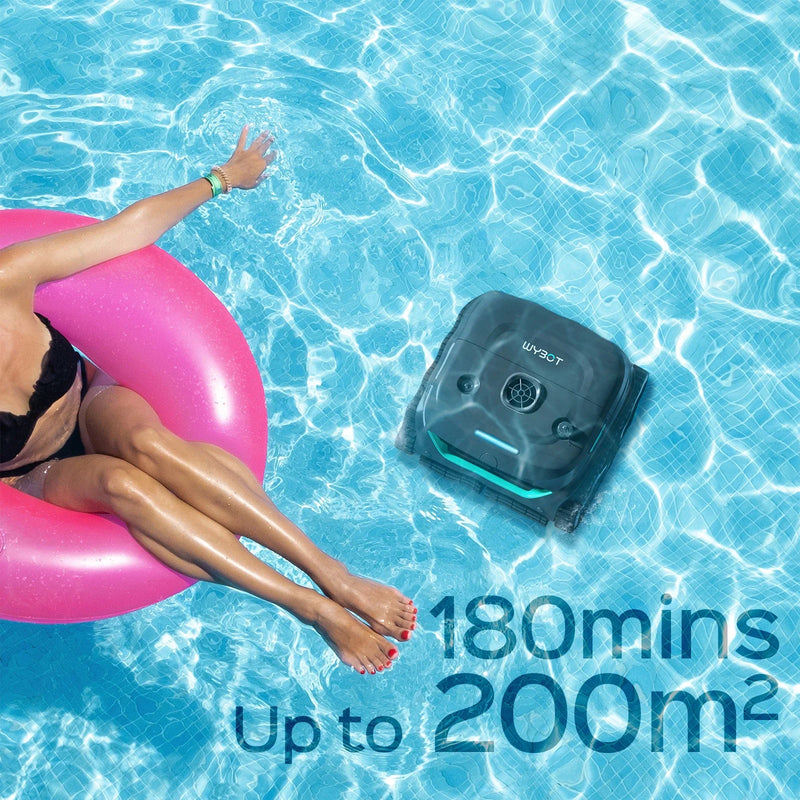
Keeping a swimming pool clean requires time, effort, and regular maintenance. As pool owners continue looking for smarter and more convenient cleaning solutions, robotic pool cleaners have become one of the most popular choices for residential and commercial pools. These advanced machines are designed to clean pool floors, walls, and waterlines automatically while reducing manual labor and improving water quality.
Before investing in a robotic pool cleaner, it is important to understand how these machines work, what features matter most, and how different models compare in terms of performance, efficiency, and long term value. This guide provides a detailed overview of robotic pool cleaner reviews before you buy, helping pool owners make informed decisions based on cleaning needs, pool size, and maintenance expectations.
What Is a Robotic Pool Cleaner
A robotic pool cleaner is an automatic cleaning device designed to remove dirt, debris, algae, and contaminants from swimming pools. Unlike traditional suction or pressure side cleaners, robotic cleaners operate independently from the pool’s filtration system.
Most robotic pool cleaners include:
- Electric drive motors
- Built in filtration systems
- Smart navigation technology
- Rotating brushes
- Programmable cleaning cycles
- Wall climbing capabilities
These systems allow the cleaner to move efficiently around the pool while collecting debris and improving overall cleanliness.
Modern robotic cleaners are commonly used in:
- Residential swimming pools
- Inground pools
- Above ground pools
- Commercial pool facilities
- Spa and wellness centers
Why Robotic Pool Cleaners Are Popular
Robotic pool cleaners continue gaining popularity because they provide convenience, automation, and energy efficient cleaning performance.
Pool owners often choose robotic cleaners because they help:
- Reduce manual cleaning time
- Improve water circulation
- Lower filtration system workload
- Remove fine debris effectively
- Maintain cleaner pool surfaces
- Simplify regular maintenance
Many modern units also include intelligent sensors and mapping systems that improve cleaning coverage and navigation efficiency.
Key Features to Consider Before Buying
Choosing the right robotic pool cleaner requires understanding the most important features that affect cleaning performance and usability.
Pool Compatibility
Not all robotic cleaners are designed for every pool type.
Before purchasing, check whether the cleaner supports:
- Inground pools
- Above ground pools
- Concrete surfaces
- Vinyl liners
- Fiberglass pools
- Tile finishes
Choosing a compatible model helps ensure proper movement and surface protection.
Cleaning Coverage
Some robotic cleaners only clean the pool floor, while advanced models can clean:
- Floors
- Walls
- Waterlines
- Steps
- Corners
Full coverage models generally provide more complete cleaning and reduce manual maintenance.
Filtration System
The filtration system determines how effectively the cleaner captures dirt and debris.
High quality robotic cleaners often feature:
- Fine mesh filters
- Ultra fine cartridges
- Large debris baskets
- Multi layer filtration
Efficient filtration improves water clarity and reduces strain on the main pool filtration system.
Navigation Technology
Smart navigation systems help robotic cleaners move more efficiently.
Advanced models may include:
- Gyroscope navigation
- Smart mapping
- Obstacle detection
- Route optimization
- Automatic direction adjustment
Improved navigation helps reduce missed spots and shortens cleaning time.
Energy Efficiency
One major advantage of robotic pool cleaners is their low energy consumption.
Most units operate independently with efficient electric motors that use less power compared to traditional pool cleaning systems.
Energy efficient models can help reduce long term operating costs.
Cable Management
Corded robotic cleaners often include swivel cables that prevent tangling during operation.
Tangle resistant cables improve movement efficiency and simplify storage after cleaning cycles.
Cleaning Cycle Duration
Different robotic cleaners offer various cleaning cycle lengths.
Short cycles may be suitable for regular maintenance, while longer cycles provide deeper cleaning for heavily used pools.
Some advanced units include customizable schedules and automatic weekly programming.
Ease of Maintenance
User friendly maintenance features improve overall ownership experience.
Look for cleaners with:
- Easy access filter baskets
- Quick rinsing systems
- Lightweight construction
- Simple control panels
- Clear maintenance indicators
Easy maintenance can save time and improve long term reliability.

Benefits of Using a Robotic Pool Cleaner
Robotic pool cleaners offer several important advantages for pool owners.
Reduced Manual Labor
One of the biggest benefits is automation. Robotic cleaners handle most cleaning tasks independently, reducing the need for manual brushing and vacuuming.
Improved Water Quality
By removing dirt, debris, and algae efficiently, robotic cleaners help maintain cleaner and healthier pool water.
Improved circulation also supports balanced chemical distribution.
Lower Energy Usage
Robotic cleaners typically consume less energy than traditional pool cleaning systems because they operate independently and use energy efficient motors.
Better Pool Surface Protection
Soft brushes and intelligent movement systems help clean surfaces gently while minimizing wear on pool finishes.
Time Savings
Automated cleaning schedules allow pool owners to maintain cleaner pools with less daily effort.
Common Types of Robotic Pool Cleaners
There are several categories of robotic pool cleaners designed for different applications.
Entry Level Models
Entry level robotic cleaners focus on basic floor cleaning and simple operation.
These models are often suitable for:
- Small pools
- Light debris
- Basic maintenance needs
Mid Range Models
Mid range units typically include improved filtration, wall climbing, and smarter navigation systems.
These cleaners are popular for medium sized residential pools.
Premium Robotic Cleaners
High end robotic cleaners often include advanced features such as:
- App connectivity
- Remote control
- Smart mapping
- Waterline cleaning
- Weekly scheduling
- Advanced filtration
Premium units are ideal for larger pools and owners seeking maximum convenience.
Important Maintenance Tips
Proper maintenance helps extend the lifespan and performance of robotic pool cleaners.
Clean Filters Regularly
Removing debris from filters after each cycle helps maintain suction power and cleaning efficiency.
Inspect Brushes and Tracks
Check brushes, wheels, and tracks for wear to ensure smooth operation.
Store Properly
Store the cleaner in a shaded and dry area when not in use to protect electronic components.
Monitor Cable Condition
Inspect power cables regularly for signs of twisting or damage.
Follow Manufacturer Guidelines
Routine maintenance based on manufacturer recommendations helps improve long term reliability.
Smart Technology in Modern Robotic Pool Cleaners
Technology continues improving robotic pool cleaner performance.
Modern systems may include:
- Smartphone apps
- WiFi connectivity
- Remote monitoring
- Smart scheduling
- AI based navigation
- Real time diagnostics
These features allow users to manage cleaning more conveniently and optimize maintenance routines.
Factors That Influence Cleaning Performance
Several factors affect how effectively a robotic cleaner performs.
Pool Shape
Complex pool layouts with curves, steps, and deep sections may require advanced navigation systems.
Debris Type
Pools surrounded by trees or landscaping may require cleaners with larger debris capacity.
Water Conditions
Heavy algae growth or cloudy water may require longer cleaning cycles and enhanced filtration systems.
Frequency of Use
Pools used frequently often benefit from programmable daily cleaning schedules.
Long Term Value of Robotic Pool Cleaners
Although robotic pool cleaners may involve a higher initial investment, many pool owners find they provide strong long term value.
Benefits may include:
- Reduced maintenance costs
- Lower energy consumption
- Improved pool cleanliness
- Less manual labor
- Longer equipment lifespan
- Better swimming experience
Choosing a high quality robotic cleaner can improve overall pool management efficiency for many years.
Future Trends in Robotic Pool Cleaning Technology
The future of robotic pool cleaners is expected to include even more advanced automation and smart technology.
Upcoming innovations may involve:
- Enhanced AI navigation
- Fully cordless systems
- Improved battery technology
- Automatic water analysis
- Self cleaning filtration systems
- Advanced obstacle detection
As technology evolves, robotic cleaners will likely become even more efficient and user friendly.
Reading robotic pool cleaner reviews before buying is essential for understanding which features, technologies, and performance levels best match your pool maintenance needs. Modern robotic cleaners offer efficient cleaning, intelligent navigation, lower energy consumption, and convenient automation that simplify pool ownership.
By evaluating pool compatibility, filtration quality, navigation systems, maintenance requirements, and long term operating value, pool owners can choose a robotic cleaner that delivers reliable performance and cleaner swimming conditions year round.


