

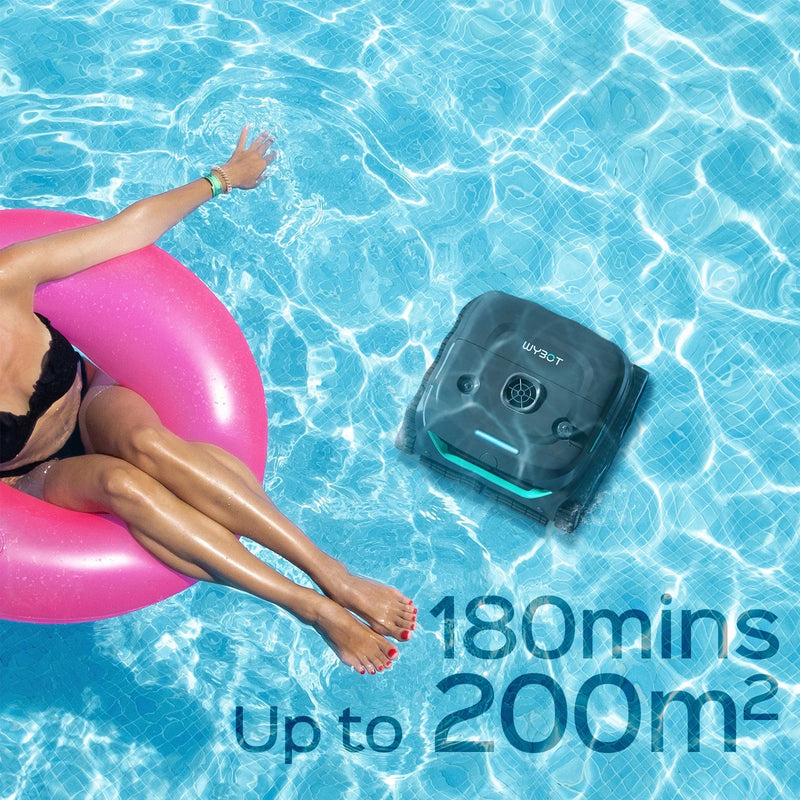
Keeping a residential swimming pool clean is one of the most important aspects of pool ownership. Leaves, dirt, algae, insects, and other debris can quickly accumulate, affecting water quality, appearance, and swimmer comfort. While robotic and manual cleaning systems have become increasingly popular, pump pool vacuums continue to be a reliable and cost-effective solution for many homeowners.
A pump pool vacuum uses the pool’s existing circulation system or a dedicated booster pump to remove debris from the pool floor, walls, and waterline. These cleaners are designed to provide continuous cleaning while helping pool owners reduce manual maintenance efforts.
For residential pool owners seeking an efficient cleaning solution without investing in high-end automated technologies, pump pool vacuums offer a practical balance between performance and affordability. Understanding their strengths, limitations, and key features can help homeowners choose the right model for their specific pool environment.
How Pump Pool Vacuums Work
Pump pool vacuums operate by utilizing suction or pressure generated by the pool’s pump system. Depending on the design, debris is collected either through the pool filtration system or into a dedicated collection bag.
Suction-side cleaners connect directly to the pool’s skimmer or suction port. As water moves through the filtration system, the vacuum head travels across pool surfaces, collecting debris and directing it toward the filter.
Pressure-side cleaners rely on water pressure generated by a booster pump or return line. Instead of sending debris to the main filter, they often capture dirt and leaves in a separate debris bag, reducing strain on the filtration system.
Both systems can effectively maintain residential pools when properly matched to pool size, pump capacity, and debris conditions. Their relatively simple mechanical construction also contributes to long service life and lower maintenance costs.
What Residential Pool Owners Look for in Reviews
When reading pump pool vacuum reviews, homeowners often focus on real-world performance rather than manufacturer specifications alone. Several factors consistently influence customer satisfaction.
Cleaning coverage is one of the most important considerations. A quality pump pool vacuum should be able to navigate the majority of the pool floor and, in some cases, climb walls for enhanced cleaning.
Debris handling capability is another critical factor. Residential pools may encounter different types of debris depending on location. Homes surrounded by trees require cleaners capable of handling large leaves, while pools in urban areas may primarily collect dust, sand, and fine particles.
Ease of installation also plays a significant role. Many pool owners prefer products that can be connected quickly without extensive plumbing modifications or professional assistance.
Durability is frequently mentioned in positive reviews. Since pool equipment operates in chlorinated water and under constant exposure to sunlight, materials must withstand demanding environmental conditions.
Energy efficiency is increasingly important as homeowners seek to minimize operating expenses. Efficient pump pool vacuums help reduce electricity consumption while maintaining consistent cleaning performance.
Advantages of Pump Pool Vacuums for Residential Pools
One reason pump pool vacuums remain popular is their proven reliability. Their mechanical operation involves fewer electronic components compared with robotic cleaners, resulting in fewer potential points of failure.
Cost effectiveness is another major advantage. Pump pool vacuums generally require a lower initial investment, making them attractive for budget-conscious pool owners.
Continuous cleaning capability provides additional value. Many models operate whenever the pool pump runs, allowing daily maintenance without direct homeowner involvement.
The cleaning performance of pump-driven systems can be highly effective for routine debris removal. Leaves, dirt, bugs, and sediment are consistently collected, helping maintain water clarity and pool hygiene.
Maintenance requirements are typically straightforward. Most tasks involve emptying debris bags, inspecting hoses, and periodically checking moving components for wear.
Because these cleaners rely on existing pool infrastructure, they integrate seamlessly into many residential pool systems without requiring significant upgrades.

Common Concerns Mentioned in User Reviews
While pump pool vacuums receive many positive reviews, homeowners should also consider commonly reported limitations.
Some suction-side models place additional load on the pool filtration system. As debris passes through the filter, cleaning cycles may increase filter maintenance requirements.
Certain cleaners may struggle with very large debris or heavy leaf accumulation. Pools located near mature trees may require supplemental manual cleaning during peak seasons.
Coverage patterns can vary depending on pool shape and layout. Complex pool designs featuring steps, ledges, tanning shelves, or sharp corners may experience areas that receive less cleaning attention.
Hose management occasionally appears in customer feedback. Improper hose length or installation can affect navigation and cleaning efficiency.
Pump performance is another important factor. Insufficient pump power may reduce vacuum effectiveness, while oversized systems may require adjustment to achieve optimal operation.
Despite these concerns, most issues can be minimized through proper installation, regular maintenance, and selecting a cleaner that matches the pool environment.
Key Features to Compare Before Buying
Residential pool owners should evaluate several important features before purchasing a pump pool vacuum.
Pool compatibility should always be verified first. Some models are designed specifically for in-ground pools, while others are intended for above-ground installations.
Cleaning path efficiency affects overall performance. Advanced navigation mechanisms can improve coverage and reduce missed areas.
Debris capacity is especially important for pools exposed to significant leaf fall. Larger debris bags reduce the frequency of emptying and improve convenience.
Hose quality influences durability and mobility. Flexible, UV-resistant hoses typically provide better long-term reliability.
Wall-climbing capability may be desirable for homeowners seeking comprehensive cleaning beyond the pool floor.
Maintenance accessibility is another factor worth considering. Components that are easy to inspect, clean, and replace contribute to a better ownership experience.
Warranty coverage can provide additional confidence and often reflects manufacturer confidence in product quality.
Real-World Performance Expectations
Pump pool vacuums are most effective when used as part of a comprehensive pool maintenance routine. Homeowners should understand that no automatic cleaner completely eliminates maintenance responsibilities.
Regular skimming, water testing, filter cleaning, and chemical balancing remain essential tasks. However, a quality pump pool vacuum can significantly reduce the time spent manually vacuuming the pool.
Many residential users report noticeable improvements in water clarity after incorporating an automatic pump vacuum into their maintenance schedule. Consistent debris removal helps prevent organic material from decomposing and affecting water chemistry.
Performance tends to be particularly strong in pools experiencing moderate debris loads. Daily operation can maintain a consistently clean appearance while reducing the buildup of sediment and contaminants.
For homeowners seeking dependable automated cleaning without the higher purchase price associated with advanced robotic systems, pump pool vacuums often deliver excellent value.

Pump pool vacuums continue to be a trusted solution for residential pool owners who want effective cleaning, straightforward operation, and reasonable ownership costs. Their ability to integrate with existing pool systems makes them a practical choice for many households.
When reviewing available models, homeowners should focus on pool compatibility, cleaning efficiency, debris handling capability, durability, and maintenance requirements. Reading user reviews and understanding real-world performance can help identify products that align with specific pool conditions.
Although every pool environment presents unique challenges, a well-chosen pump pool vacuum can dramatically reduce maintenance efforts while helping maintain a cleaner, healthier, and more inviting swimming pool throughout the season.


