

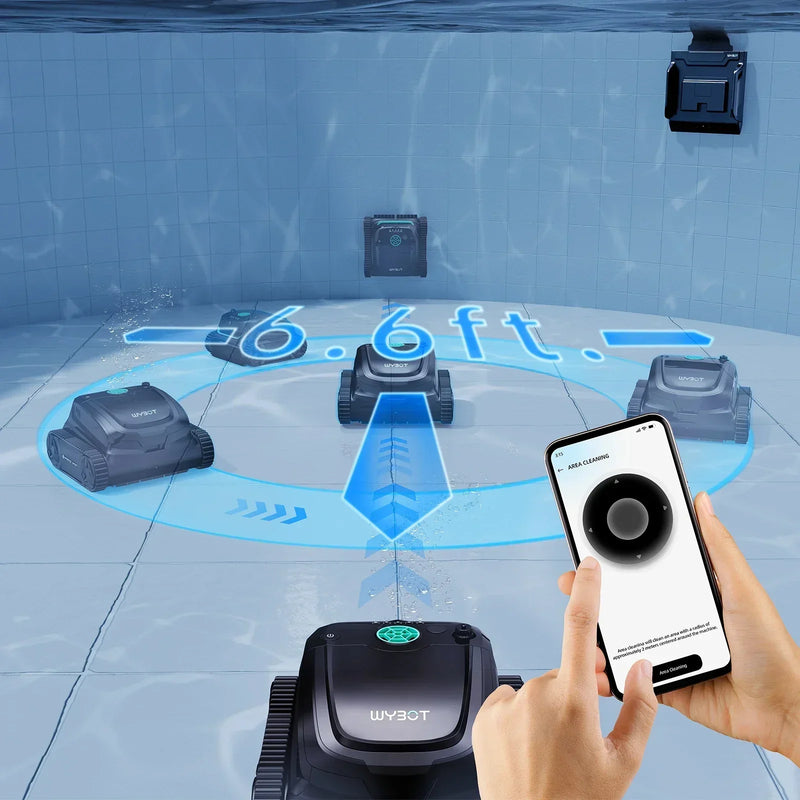
A clean and well-maintained pool is the centerpiece of any backyard oasis. While manual cleaning and traditional corded pool vacuums can get the job done, cordless pool vacuums provide convenience, flexibility, and efficiency. They allow pool owners to clean their pools without being restricted by cords or hoses, making the process faster and less cumbersome.
This ultimate buying guide explores everything you need to know about choosing the best cordless pool vacuum for your needs. From understanding types and features to evaluating battery life, suction power, and maintenance, this guide is designed to help you make an informed decision. The content adheres to Google SEO EEAT standards, ensuring expert, authoritative, and trustworthy guidance.
Why Choose a Cordless Pool Vacuum?
Cordless pool vacuums have grown in popularity due to several key advantages:
-
Portability and Convenience: Without the limitation of cords, these vacuums can reach all areas of your pool, including steps, corners, and tight spaces.
-
Ease of Use: Lightweight and ergonomic designs make them simple to maneuver.
-
Time Efficiency: Quick setup and operation save time compared to traditional vacuum systems.
-
No Complex Installation: Unlike automatic pool cleaners that require plumbing connections, cordless vacuums are plug-and-play.
-
Versatility: Many cordless models can be used in pools, spas, and even above-ground pools.

Types of Cordless Pool Vacuums
Cordless pool vacuums come in several types, each suited to different cleaning needs:
1. Handheld Cordless Pool Vacuums
-
Description: Small, lightweight devices designed for spot cleaning and tight areas.
-
Best For: Small pools, spas, and quick cleanups.
-
Advantages: Affordable, easy to store, very portable.
-
Limitations: Limited battery life, smaller debris capacity, slower cleaning of larger pools.
2. Robotic Cordless Pool Vacuums
-
Description: Automated devices that move independently across the pool floor and walls.
-
Best For: Medium to large pools requiring regular, thorough cleaning.
-
Advantages: Hands-free operation, programmable schedules, efficient debris collection.
-
Limitations: Higher initial cost, occasional software or motor maintenance.
3. Rechargeable Stick or Pole Pool Vacuums
-
Description: Lightweight vacuums mounted on a telescopic pole, combining reach and maneuverability.
-
Best For: Pools with stairs, ledges, and hard-to-reach areas.
-
Advantages: Longer reach than handheld units, versatile for various debris types.
-
Limitations: Slightly heavier than handheld models, battery life may vary.
Key Features to Consider
Choosing the best cordless pool vacuum requires careful evaluation of several features:
1. Battery Life and Charging
-
Battery Life: Look for vacuums with enough runtime to clean your pool in a single charge. Typical runtimes range from 45 minutes to 2 hours.
-
Battery Type: Lithium-ion batteries are preferred for their longevity, lighter weight, and faster charging.
-
Charging Time: Shorter charging times are more convenient; many modern models offer full charge within 2–4 hours.
2. Suction Power
-
Suction strength determines the vacuum’s ability to pick up dirt, leaves, and debris.
-
Check specifications in watts or air/waterflow rating. Higher suction is beneficial for pools with heavy debris or larger surface areas.
3. Debris Capacity
-
Cordless vacuums have internal filters or debris bins.
-
Larger bins reduce the frequency of emptying, especially in leafy or dusty environments.
4. Pool Size and Type
-
Small pools: handheld vacuums or lightweight pole models suffice.
-
Medium to large pools: robotic cordless vacuums with longer battery life and automated operation are ideal.
-
Above-ground pools: lightweight or flexible vacuums that can adapt to different shapes and depths.
5. Cleaning Coverage
-
Floor-only vacuums: suitable for basic debris removal.
-
Floor and wall vacuums: useful for algae prevention and comprehensive cleaning.
-
Some advanced robotic models can climb walls and navigate stairs automatically.
6. Portability and Storage
-
Consider weight and ease of carrying, especially if the vacuum will be moved frequently.
-
Foldable or detachable units are easier to store in small pool sheds or garages.
7. Ease of Maintenance
-
Removable filters and debris bins simplify cleaning.
-
Some vacuums have self-cleaning brushes or filters that reduce maintenance effort.
-
Battery replacement and motor access should be straightforward.
8. Price and Warranty
-
Entry-level models: $100–$250, suitable for small pools and occasional use.
-
Mid-range models: $250–$500, offering longer runtime and larger debris capacity.
-
High-end robotic models: $500–$1,200+, featuring advanced automation and smart navigation.
-
Look for a 1–2 year warranty for peace of mind.
Additional Considerations
Noise Level
-
Cordless vacuums are generally quieter than gas or corded models.
-
Quieter operation is beneficial for residential areas and daytime cleaning.
Smart Features
-
Wi-Fi connectivity, app control, and programmable schedules are increasingly available in robotic models.
-
Some units feature sensors to avoid obstacles, detect debris, and optimize cleaning paths.
Brush Type
-
Soft brushes: suitable for vinyl and fiberglass pools to prevent scratches.
-
Stiff brushes: ideal for concrete or pebble surfaces to remove algae effectively.
Top Tips for Buying
-
Measure Your Pool: Know the pool size and shape to select the appropriate vacuum type and battery runtime.
-
Evaluate Debris Type: For leaves and large debris, prioritize strong suction and larger bins.
-
Check Battery Replacement Options: Ensure batteries are easy to replace and available from the manufacturer.
-
Read User Reviews: Learn from real-world experiences about durability, ease of use, and reliability.
-
Consider Long-Term Costs: Factor in replacement batteries, maintenance, and warranty coverage.

Choosing the best cordless pool vacuum requires balancing convenience, power, and cost. Whether you prefer a handheld model for quick touch-ups, a stick vacuum for reach and maneuverability, or a robotic vacuum for automated cleaning, the key is to match the vacuum’s capabilities with your pool’s size, shape, and debris type.
By considering battery life, suction power, debris capacity, maintenance requirements, and budget, you can select a cordless pool vacuum that keeps your pool sparkling clean with minimal effort. Investing in a high-quality cordless pool vacuum ensures a hassle-free, efficient, and enjoyable pool-cleaning experience for years to come.


