

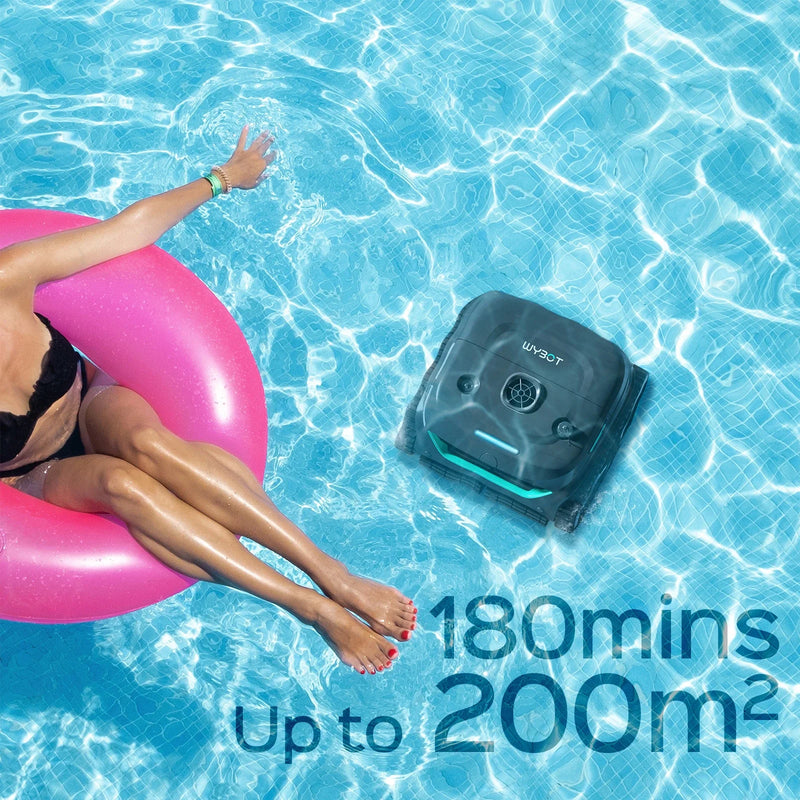
A pool vacuum is one of the most essential tools for maintaining clean, clear, and hygienic swimming water. However, like any piece of equipment exposed to water, chemicals, and debris, its components experience wear over time. Understanding how often to replace each part of your pool vacuum is key to maintaining optimal performance, extending the life of your equipment, and avoiding costly repairs.
This guide provides a professional, experience-based breakdown of common pool vacuum parts and recommended replacement intervals, helping pool owners build a smarter, more efficient maintenance routine.
Why Regular Replacement of Pool Vacuum Parts Matters
Pool vacuums operate in a demanding environment that includes exposure to chlorine, UV rays, dirt, and constant movement. Over time, these factors can degrade materials, reduce efficiency, and compromise cleaning performance.
Replacing worn components at the right time ensures consistent suction power, effective debris removal, and smooth operation. It also prevents minor issues from developing into major problems that could affect your entire pool system.
By following a proactive replacement schedule, you can maintain water quality and reduce long-term maintenance costs.
Filter Bags and Cartridges Replacement Frequency
Filters are responsible for capturing dirt, debris, and fine particles, making them one of the most critical components of any pool vacuum.
For optimal performance, filter bags or cartridges should be rinsed after every use and inspected weekly. Depending on usage and debris levels, most filters should be replaced every 2 to 6 months.
Pools exposed to heavy debris, such as leaves or dust, may require more frequent replacements. A noticeable decline in suction or water clarity is often a sign that the filter is no longer functioning effectively.

Brushes and Scrubbing Components Replacement Timing
Brushes play a vital role in loosening dirt, algae, and debris from pool surfaces. Over time, bristles wear down and lose their effectiveness.
In general, brushes should be inspected monthly and replaced every 6 to 12 months. If you notice flattened bristles or reduced cleaning performance, it is a clear indication that replacement is needed.
Maintaining effective brushes ensures that debris is properly dislodged and can be collected by the vacuum system.
Hoses and Tubing Maintenance and Replacement
For suction-side and manual pool vacuums, hoses are essential for maintaining strong water flow and suction.
Hoses should be checked regularly for cracks, leaks, or stiffness. On average, they should be replaced every 1 to 2 years, depending on usage and environmental conditions.
Proper storage, such as keeping hoses out of direct sunlight when not in use, can help extend their lifespan and maintain flexibility.
Wheels, Tracks, and Drive Systems Replacement
Robotic pool vacuums rely on wheels or tracks to move efficiently across the pool floor. These components are subject to constant friction and wear.
Inspection should be performed every few months, with replacement typically required every 1 to 2 years. Signs that replacement is needed include slipping, uneven movement, or reduced coverage.
Keeping these components in good condition ensures consistent navigation and thorough cleaning.
Seals, O-Rings, and Gaskets Replacement Schedule
Seals and O-rings are small but critical components that prevent water from entering sensitive internal parts and maintain proper pressure within the system.
These parts should be inspected every 6 months and replaced annually or as soon as signs of wear appear, such as cracking or loss of elasticity.
Regular replacement helps prevent leaks and protects the internal electronics and motor of the vacuum.
Battery Replacement for Cordless Pool Vacuums
Cordless robotic pool vacuums depend on rechargeable batteries for operation. Over time, battery capacity naturally decreases.
Most high-quality lithium batteries last between 2 to 3 years or several hundred charging cycles. If you notice shorter runtimes or inconsistent performance, it may be time to replace the battery.
Proper charging habits, such as avoiding overcharging and storing the unit in a cool, dry place, can help extend battery life.
Impellers and Internal Motor Components
The impeller is responsible for generating suction and water flow within the vacuum. While typically durable, it can become clogged or worn over time.
Regular cleaning is essential, and replacement may be needed every 2 to 3 years depending on usage. Reduced suction power or unusual noise can indicate an issue with the impeller or motor components.
Professional servicing may be recommended for internal parts to ensure proper installation and performance.
Signs That Indicate It’s Time for Replacement
While general timelines are helpful, real-world usage varies. Pool owners should watch for specific signs that indicate parts need replacement.
Common indicators include reduced suction, incomplete cleaning, visible wear or damage, unusual noises, and increased cleaning time. Addressing these signs early helps maintain efficiency and prevents further damage.
A proactive approach based on both schedule and observation ensures the best results.
Building a Preventive Maintenance Schedule
Creating a structured maintenance schedule simplifies pool care and ensures that all components are checked and replaced at the right intervals.
A typical plan includes weekly filter cleaning, monthly inspections of brushes and hoses, and periodic checks of seals, wheels, and internal components. Keeping a maintenance log can help track replacements and identify patterns over time.
Consistency is the key to extending the lifespan of your pool vacuum and maintaining peak performance.
Long-Term Benefits of Timely Part Replacement
Replacing pool vacuum parts on time offers several long-term advantages. It improves cleaning efficiency, reduces energy consumption, and minimizes strain on the system.
It also helps maintain water quality, prevents equipment breakdowns, and protects your investment in pool maintenance equipment. Over time, these benefits translate into lower costs and a better overall pool experience.

Understanding how often to replace pool vacuum parts is essential for maintaining a clean and efficient swimming pool. By following recommended replacement intervals and monitoring performance, pool owners can ensure their equipment operates at its best.
A well-maintained pool vacuum not only saves time and effort but also delivers consistently high cleaning results. With the right approach, pool maintenance becomes a manageable and rewarding part of pool ownership.


