

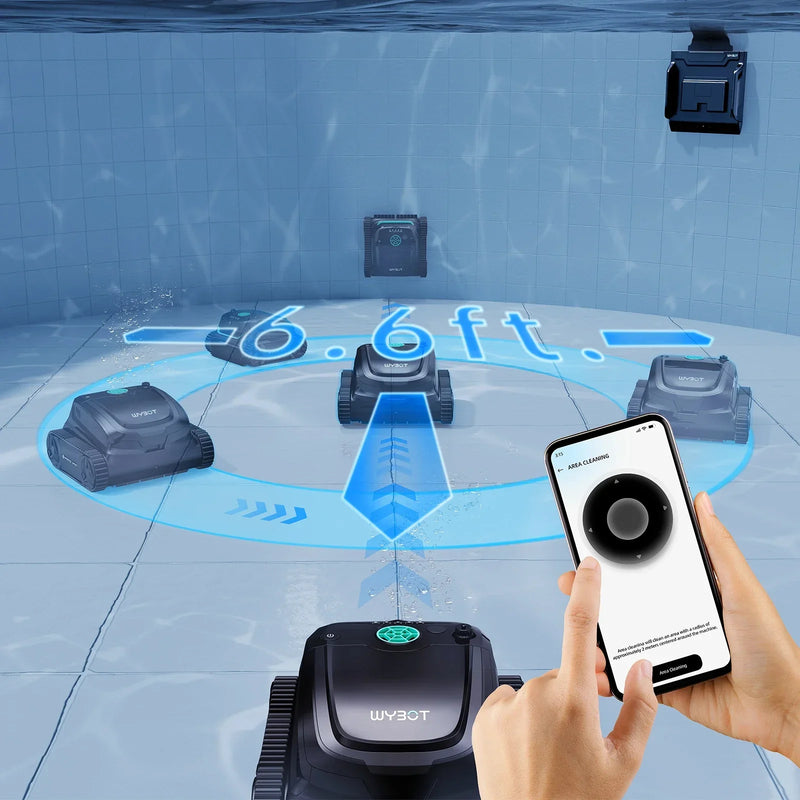
The Evolution of Pool Cleaning Robots
Maintaining a clean pool has traditionally been a labor‑intensive task requiring manual scrubbing, vacuuming, and frequent attention. With advancements in robotics and smart technology, modern pool cleaning robots have transformed this chore into a largely automated process. These sophisticated devices use a combination of sensors, algorithms, and navigation systems to move through complex pool geometries, adapt to varying surfaces, and avoid obstacles — all without getting stuck. As homeowners and commercial pool managers increasingly seek efficient, low‑maintenance solutions, understanding how these robots operate is key to appreciating their design, effectiveness, and role in enhancing pool hygiene.
This comprehensive article explores how modern pool cleaning robots navigate complex pool shapes without becoming trapped, the technology behind their movement, the advantages they offer, and practical considerations for users. It covers sensor integration, path‑planning algorithms, physical design features, and real‑world performance in varying pool environments.
The Challenge of Complex Pool Geometries
Pools come in many shapes and sizes — from simple rectangular designs to freeform curves, intricate steps, shallow benches, and built‑in features like water fountains or beach entries. These irregular features pose significant challenges for automated navigation systems, which must:
-
Recognize changes in depth and slope
-
Detect and respond to obstacles such as pool ladders or toys
-
Traverse corners and alcoves without stalling
-
Maintain consistent surface contact for effective cleaning
Without a robust navigation system, a pool robot could become stuck in corners or shallow edges, miss entire sections of the pool floor and walls, or expend excessive energy trying to climb or reverse direction. Modern robotic cleaners overcome these challenges through integrated software and hardware designed for real‑world aquatic environments.
Core Technologies That Enable Smart Navigation
At the heart of a modern pool cleaning robot’s navigation system is a suite of sensors that continuously gather data about the robot’s surroundings. These sensors may include:
-
Infrared and ultrasonic sensors: These detect proximity to walls, steps, and obstacles by measuring reflected signals, helping the robot adjust its course.
-
Gyroscopes and accelerometers: These measure orientation and motion, enabling the robot to understand its position relative to the pool floor and walls.
-
Pressure sensors: By registering changes in water pressure, these sensors help determine depth transitions, ensuring stable movement up and down shallow slopes or steps.
These sensors work continuously to interpret environmental conditions in real time, allowing the robot to respond immediately when navigating complex features or avoiding entrapment.
Advanced Algorithms and Path Planning
Sensors alone aren’t sufficient without sophisticated processing. Modern pool cleaning robots rely on software that interprets sensor input and makes decisions about optimal movement. This includes:
-
Dynamic mapping: Robots build an internal representation of the pool layout, allowing them to track where they have cleaned and where they must still go.
-
Pattern navigation: In simpler environments, robots follow programmed patterns that ensure full coverage, such as parallel lines, spirals, or zigzag trajectories.
-
Adaptive path correction: In irregular or complex areas, robots use sensor feedback to modify their path in real time, avoiding obstacles and reentering trapped zones without needing external input.
These algorithms determine the most efficient route to clean the entire pool surface while minimizing redundant movement or energy consumption.
Traction and Drive Systems
Navigation isn’t just about sensing and planning — it also depends on physical movement systems. Pool robots use specialized drive mechanisms that can cope with slippery surfaces and depth changes, such as:
-
Rubber tracks or treaded wheels: These provide strong grip on wet surfaces and uneven pool materials like tile, plaster, or vinyl.
-
Dual drive systems: By controlling left and right drive components independently, robots can pivot or reverse easily, which helps prevent entrapment in corners or against barriers.
-
Low‑center‑of‑gravity design: Effective weight distribution ensures stable movement around gradients and steps without tipping or sliding backward.
These mechanical features work in tandem with navigation software to overcome physical challenges inherent to complex pool shapes.

How Pool Robots Avoid Getting Stuck
Modern robots continuously scan for obstacles such as pool toys, ladders, drains, or other equipment. When proximity sensors detect a nearby obstruction, the robot will:
-
Slow down to carefully assess the distance
-
Adjust its path based on obstacle shape and size
-
Execute a controlled turn or reverse movement
This dynamic response helps prevent the robot from pressing against barriers and halting operations.
Edge and Step Recognition
A common issue in older pool robots was becoming lodged on steps or shallow edges. To address this, modern robots use pressure and depth sensors to recognize changes in pool topology. When approaching a slope, the robot senses depth changes and reduces speed to maintain traction. If the robot reaches a step or ledge that it cannot climb, it executes a calculated reversal and selects a new path.
Intelligent Reverse and Retry Routines
Rather than becoming permanently stuck when encountering unexpected geometry, these robots perform intelligent retries. The onboard software may attempt:
-
Reversing along the same path
-
Adjusting the angle of approach
-
Taking an alternate route bypassing the obstacle entirely
These routines mimic human reasoning, enabling the robot to recover from complicated entrapment scenarios autonomously.
Benefits of Smart Navigation in Pool Cleaning
Accurate navigation ensures that robots effectively cover the entire pool surface — floors, walls, steps, and corners. Instead of missing spots due to inefficient patterns or entrapment, the robot’s sensors and algorithms maximize coverage.
Reduced Manual Intervention
Homeowners or pool managers can rely on the technology without constant monitoring. Since the robot can correct its path and avoid obstacles, users spend less time supervising or freeing up trapped units.
Time and Energy Efficiency
By selecting optimized routes and avoiding unnecessary movement, modern pool robots reduce cleaning time and energy consumption. This efficiency translates to longer battery life and a lower environmental impact.
Prolonged Device Longevity
Navigation systems that minimize collisions and avoid awkward positioning reduce mechanical stress on motors and drive components. This translates into longer robot lifespans and fewer maintenance issues.
Practical Considerations for Pool Owners
Not all pool cleaners are equally equipped for highly complex designs. When selecting a pool robot, consider:
-
Sensor sophistication
-
Navigation software capabilities
-
Drive system strength
-
Pool size and depth variation
Investing in a model with advanced navigation features pays dividends in ease of use and reliability.
Regular Maintenance and Sensor Calibration
To maintain peak performance:
-
Clean debris from sensors regularly
-
Check tracks or wheels for wear
-
Ensure software is updated when possible
Proper upkeep prevents sensor misreads and maintains smooth navigation.
Seasonal Use and Storage
Pool robots should be stored indoors during off‑season months, especially in cold climates. Protecting electronics and mechanical systems from freezing temperatures ensures longer operational life.
Future Trends in Pool Robot Navigation
AI‑Driven Pattern Recognition
Future robots will increasingly leverage artificial intelligence to learn from past cleaning sessions. These adaptive algorithms can refine navigation strategies based on pool characteristics, making future cleaning cycles more efficient.
Cloud‑Connected Navigation Updates
Wi‑Fi connectivity allows robots to receive software improvements, expand product catalogs, and even download optimized navigation maps based on a user’s specific pool layout.
Integration With Smart Home Systems
Pool robots may soon communicate with other smart home devices, such as weather sensors and automated pool covers, enabling cleaning schedules that adjust based on conditions like temperature, rain, or pool usage.
Precision and Convenience in Modern Pool Care
Modern pool cleaning robots have revolutionized aquatic maintenance with intelligent navigation systems that prevent entrapment and maximize coverage. By integrating advanced sensors, adaptive algorithms, and robust drive systems, these devices deliver efficient, autonomous cleaning even in complex pool shapes. For homeowners and facility managers alike, understanding how these robots work can inform smarter purchasing decisions and enhance long‑term satisfaction with their pool care routines.
From real‑time obstacle detection to intelligent path planning, the journey in pool cleaning technology reflects broader trends in robotics — machines that learn, adapt, and perform with minimal human input while maximizing performance. As innovation continues, pool robots will become even more capable, reliable, and indispensable.


