

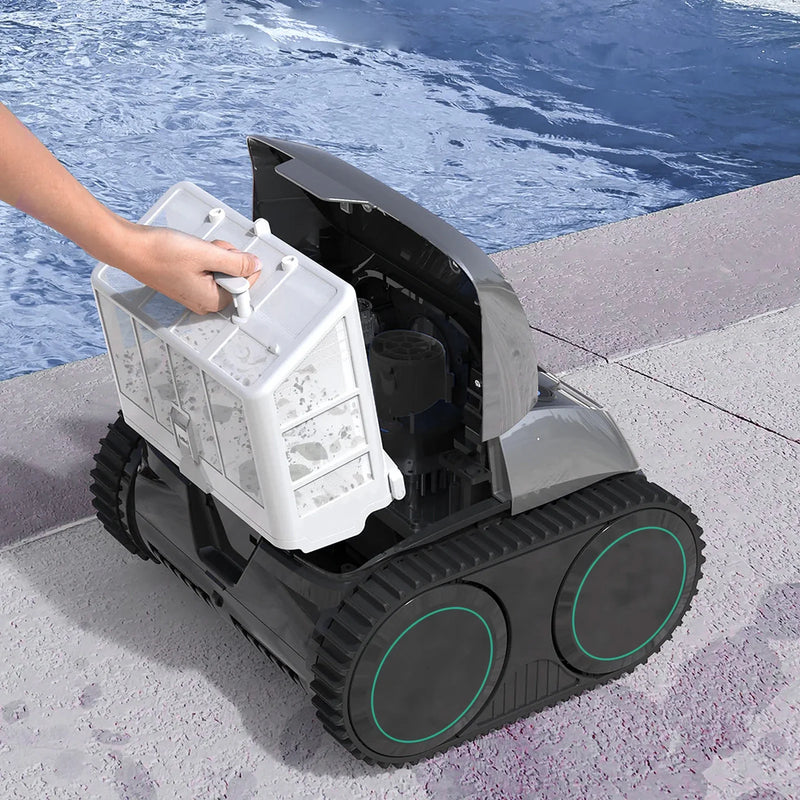
Keeping a swimming pool clean is essential for maintaining water quality, protecting pool liners, and creating a comfortable swimming environment. A high-quality pool liner vacuum can make pool maintenance easier, faster, and more efficient. Whether you own an above-ground pool or an inground vinyl liner pool, choosing the right vacuum helps remove dirt, sand, leaves, algae, and debris without damaging the liner surface.
In this guide, we will explore the best pool liner vacuum features, how these vacuums work, what to consider before buying one, and why robotic and cordless pool cleaners are becoming the preferred choice for modern pool owners.
Why a Pool Liner Vacuum Matters
Pool liners create a smooth and protective surface inside the pool, but they also collect dirt, algae, and debris over time. Standard cleaning tools may scratch or damage delicate vinyl liners, while a specialized pool liner vacuum is designed for safe and effective cleaning.
Main Benefits of a Pool Liner Vacuum
| Benefit | Description |
|---|---|
| Protects Pool Liners | Gentle brushes prevent scratches and wear |
| Improves Water Quality | Removes debris before it affects water chemistry |
| Reduces Algae Growth | Cleans dirt and buildup from pool surfaces |
| Saves Cleaning Time | Faster and more efficient than manual cleaning |
| Extends Pool Lifespan | Helps protect liners and filtration systems |
| Enhances Swimming Comfort | Keeps water clear and inviting |
Regular vacuuming also reduces the need for excessive chemical treatments because debris is removed early.
Key Features to Look for in the Best Pool Liner Vacuum
Choosing the right pool liner vacuum depends on your pool type, cleaning frequency, and maintenance preferences.
Essential Features Comparison
| Feature | Why It Matters |
|---|---|
| Soft Cleaning Brushes | Prevent damage to vinyl liners |
| Strong Suction Power | Removes leaves, sand, and fine debris efficiently |
| Cordless Design | Improves flexibility and ease of movement |
| Lightweight Construction | Easier to carry and operate |
| Long Battery Runtime | Supports full-pool cleaning sessions |
| Smart Navigation | Ensures complete pool coverage |
| Easy-Clean Filters | Simplifies maintenance after cleaning |
Modern robotic and cordless vacuums often combine several of these features for improved performance.
Types of Pool Liner Vacuums
Different pool vacuums are designed for different cleaning needs and pool sizes.
Pool Vacuum Types Overview
| Vacuum Type | Best For | Main Advantages |
|---|---|---|
| Manual Pool Vacuum | Small pools | Affordable and simple |
| Automatic Suction Vacuum | Routine cleaning | Connects to pool filtration |
| Robotic Pool Vacuum | Deep cleaning | Fully automated operation |
| Cordless Pool Vacuum | Convenient cleaning | Portable and easy to store |
| Handheld Pool Vacuum | Spot cleaning | Lightweight and compact |
Robotic and cordless models are currently among the most popular choices because they reduce manual labor and improve cleaning efficiency.

Benefits of Robotic Pool Liner Vacuums
Robotic pool vacuums have become a leading solution for modern pool maintenance. These cleaners work independently from the pool filtration system and automatically clean pool floors, walls, and waterlines.
Advantages of Robotic Pool Cleaners
| Advantage | Details |
|---|---|
| Automatic Cleaning | Cleans with minimal supervision |
| Energy Efficient | Uses less power than traditional systems |
| Advanced Filtration | Captures both large and fine debris |
| Wall Climbing Ability | Cleans walls and waterline areas |
| Reduced Pump Strain | Operates separately from pool equipment |
| Time Saving | Shortens overall cleaning time |
Many robotic cleaners also feature intelligent navigation systems that reduce missed spots.
Why Cordless Pool Liner Vacuums Are Popular
Cordless pool vacuums offer flexibility and convenience that traditional corded cleaners cannot provide.
Benefits of Cordless Pool Vacuums
| Feature | User Benefit |
|---|---|
| No Power Cord | Eliminates tangling issues |
| Rechargeable Battery | Easy charging and storage |
| Lightweight Design | Easier handling during cleaning |
| Portable Operation | Suitable for multiple pool types |
| Quick Setup | Faster cleaning preparation |
| Compact Storage | Saves storage space |
Cordless pool vacuums are especially suitable for above-ground pools, small inground pools, and quick weekly maintenance.
How to Vacuum a Vinyl Liner Pool Properly
Using the correct cleaning process helps maximize vacuum performance while protecting the pool liner.
Step-by-Step Pool Vacuuming Guide
| Step | Action | Purpose |
|---|---|---|
| Step 1 | Remove floating debris with a skimmer | Prevents clogging |
| Step 2 | Brush pool walls and floor gently | Loosens dirt and algae |
| Step 3 | Start vacuum cleaning slowly | Ensures complete debris removal |
| Step 4 | Focus on corners and steps | Cleans high-dirt areas |
| Step 5 | Empty and rinse the filter basket | Maintains suction efficiency |
Slow and steady cleaning movements help prevent dirt from spreading back into the water.
Common Debris Removed by Pool Liner Vacuums
A high-quality pool liner vacuum can remove many types of pool contaminants.
Typical Debris Captured
| Debris Type | Cleaning Difficulty |
|---|---|
| Leaves | Easy |
| Sand | Moderate |
| Dust | Moderate |
| Insects | Easy |
| Algae | Moderate |
| Hair | Easy |
| Small Twigs | Moderate |
| Fine Sediment | Advanced filtration required |
Advanced filtration systems can even capture microscopic particles that contribute to cloudy pool water.
Recommended Pool Vacuuming Frequency
Cleaning frequency depends on pool usage, weather conditions, and nearby landscaping.
Pool Cleaning Schedule
| Pool Condition | Recommended Frequency |
|---|---|
| Heavy Pool Usage | 2–3 times per week |
| Moderate Usage | Once per week |
| After Storms | Immediately after debris buildup |
| Pools Near Trees | More frequent cleaning |
| Seasonal Opening | Deep cleaning recommended |
Consistent cleaning helps reduce long-term maintenance costs and improves overall water clarity.
Maintenance Tips for Pool Liner Vacuums
Proper maintenance extends the lifespan of the vacuum and keeps cleaning performance consistent.
Pool Vacuum Maintenance Checklist
| Maintenance Task | Recommendation |
|---|---|
| Clean Filters | After every cleaning session |
| Inspect Brushes | Check weekly for wear |
| Recharge Batteries | Follow manufacturer instructions |
| Store Properly | Keep in a dry shaded area |
| Check Intake Ports | Remove blockages regularly |
| Rinse Debris Containers | Prevent dirt buildup |
Routine maintenance also helps maintain strong suction power over time.
How to Choose the Right Pool Liner Vacuum
The best pool liner vacuum depends on your pool size, budget, and cleaning expectations.
Buying Considerations
| Factor | Recommendation |
|---|---|
| Pool Size | Larger pools benefit from robotic cleaners |
| Pool Type | Vinyl liners require soft brushes |
| Cleaning Frequency | Frequent cleaning may require longer battery life |
| Budget | Manual vacuums are affordable, robotic models offer automation |
| Ease of Use | Cordless models improve convenience |
| Filter Capacity | Larger filters reduce maintenance frequency |
Choosing the right model helps simplify pool care while protecting the liner surface.
A reliable pool liner vacuum is one of the most important tools for maintaining a clean and healthy swimming pool. Modern robotic and cordless pool vacuums offer strong suction, advanced filtration, intelligent navigation, and user-friendly operation that significantly reduce maintenance effort.
By choosing a vacuum specifically designed for vinyl and liner pools, pool owners can protect delicate surfaces while enjoying cleaner water and improved pool appearance. Regular vacuuming not only improves swimming comfort but also extends the life of the pool liner and filtration system.
Investing in the best pool liner vacuum ultimately saves time, improves water quality, and makes pool ownership far more enjoyable.


