

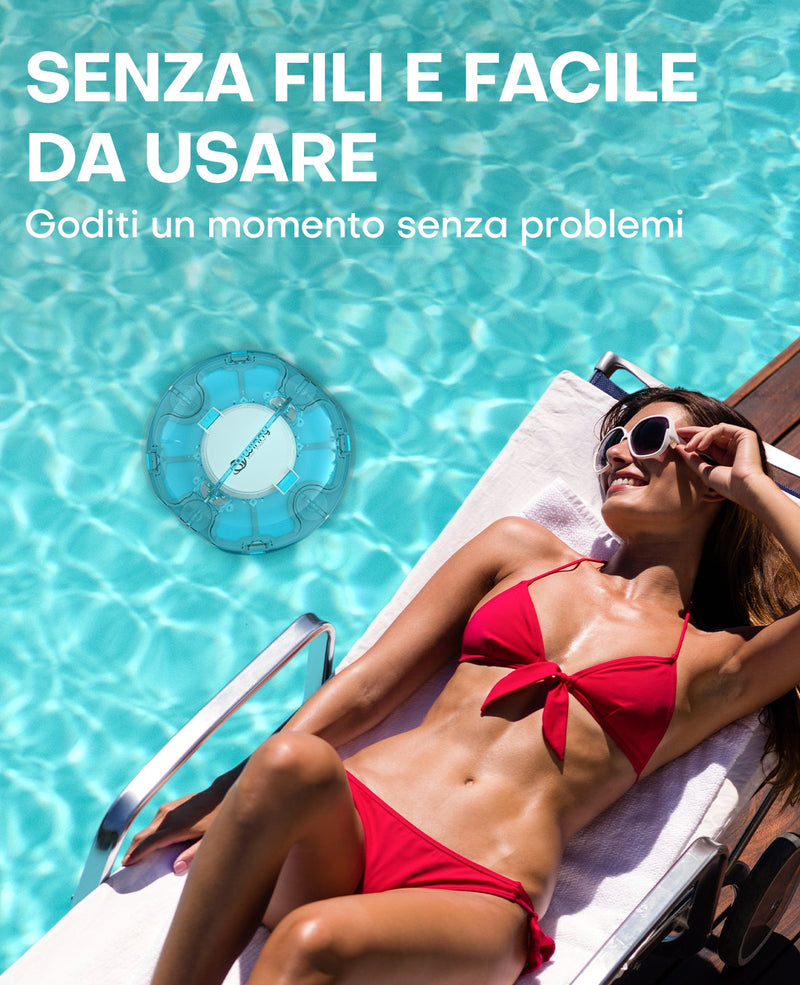
Above ground pools provide an affordable, accessible way for families to enjoy swimming at home without the cost and permanence of in-ground construction. However, many owners quickly realize that keeping pool water clean requires consistent attention. Because these pools sit fully exposed above the surrounding ground, they are especially vulnerable to windblown debris, dust, insects, pollen, and organic matter. Without proper cleaning tools, maintenance can become time-consuming and frustrating.
A pool vacuum specifically designed for above ground pools transforms this experience. It removes debris efficiently, preserves water clarity, protects equipment, and reduces the workload associated with routine upkeep. For anyone seeking a clean, safe, and enjoyable swimming environment with minimal effort, a pool vacuum is not optional—it is essential.
The Unique Cleaning Challenges of Above Ground Pools
Above ground pools face environmental exposure that in-ground pools often avoid. Positioned above the landscape, they collect debris from all directions. Leaves, grass clippings, seeds, and airborne dust easily settle on the water surface and sink to the bottom. Storms and strong winds can introduce large amounts of contamination in a very short time.
Another important factor is filtration capacity. Many above ground pools use smaller pump and filter systems compared to in-ground installations. While these systems effectively circulate water, they may struggle to capture heavy particles such as sand, silt, or decomposing organic matter. Over time, these materials accumulate on the pool floor, causing cloudy water and unpleasant odors.
The pool liner also presents a specific challenge. Most above ground pools use vinyl liners, which are durable but more delicate than concrete or fiberglass surfaces. Aggressive scrubbing can cause scratches, thinning, or tears. A purpose-built vacuum cleans thoroughly while remaining gentle enough to protect the liner’s integrity.
Without a vacuum, owners often rely on nets and brushes. These tools remove floating debris but fail to eliminate fine sediment, allowing contaminants to build up continuously.

How a Pool Vacuum Simplifies Routine Maintenance
Routine cleaning becomes dramatically easier with a pool vacuum. Instead of draining water or manually scrubbing the entire pool floor, users can remove dirt quickly and efficiently in a single session. This convenience encourages more frequent cleaning, which prevents problems before they escalate.
Above ground pool vacuums are available in several configurations, including manual suction models connected to the filtration system, pressure-assisted units, and fully automatic robotic cleaners. Each type is designed to extract debris from the pool floor and, in some cases, the walls.
Regular vacuuming removes organic materials before they decompose. Leaves and insects release nutrients that feed algae and bacteria as they break down. By eliminating these materials early, the vacuum helps maintain water balance and reduces the need for heavy chemical treatment.
Automated models can clean the entire pool with minimal supervision, allowing owners to maintain cleanliness without dedicating hours to manual labor.
Improved Water Quality and Health Safety
Clear water is more than an aesthetic preference; it is a fundamental requirement for swimmer safety. Debris in the pool can harbor microorganisms and interfere with disinfectants such as chlorine. When contaminants accumulate, sanitizers must work harder, and water quality deteriorates.
A pool vacuum removes particles that filters may miss, including fine sand, dust, and biofilm. The result is water that looks cleaner, smells fresher, and feels more comfortable during use.
Consistent cleaning also reduces the likelihood of skin irritation, eye redness, and allergic reactions caused by imbalanced water chemistry or bacterial growth. Families with children, elderly swimmers, or individuals with sensitive skin benefit significantly from maintaining a debris-free environment.
Additionally, cleaner water stabilizes chemical levels. With fewer pollutants to neutralize, sanitizers remain effective for longer periods, lowering both maintenance effort and chemical consumption.
Prevention of Algae Growth and Surface Staining
Algae spores enter pool water constantly through wind, rain, and swimmers. While chemical treatments inhibit growth, algae thrive in areas where dirt and organic matter accumulate. Pool floors and corners with poor circulation are particularly vulnerable.
Sediment provides nutrients and surfaces for algae to anchor and multiply. Once established, algae can spread rapidly, discoloring water and creating slippery conditions that pose safety risks.
Routine vacuuming removes these potential growth sources before algae colonies form. It also prevents staining caused by decomposing leaves, metals, and mineral deposits, which can permanently discolor vinyl liners if left untreated.
Preventive cleaning is far more efficient and cost-effective than treating an algae outbreak after it occurs.
Protection of Pool Equipment and Filtration Systems
Pool pumps and filters are designed to circulate and purify water, but excessive debris places them under significant strain. Large particles can clog skimmer baskets, obstruct intake lines, and reduce water flow. Restricted circulation diminishes filtration efficiency and can cause overheating or premature wear in the pump motor.
By removing debris directly from the pool floor, a vacuum reduces the burden on the filtration system. Some advanced models include independent filtration compartments, capturing contaminants before they reach the main system.
Maintaining cleaner water helps extend the lifespan of pumps, cartridges, hoses, and other components. Avoiding mechanical failures not only saves money but also prevents downtime during peak swimming season.
Significant Time Savings for Pool Owners
Manual cleaning with nets and brushes can require several hours each week, particularly during periods of heavy debris such as autumn or after storms. For busy households, this level of maintenance can become impractical.
Automatic pool vacuums operate with minimal supervision. Many robotic units feature programmable cleaning cycles, enabling users to set a schedule and allow the device to work independently. Some models can even climb walls and clean the waterline, tasks that are difficult to perform manually.
This automation frees owners to spend more time enjoying the pool rather than maintaining it. The convenience is especially valuable for families, working professionals, and anyone seeking low-effort pool ownership.
Long-Term Cost Efficiency
Although purchasing a pool vacuum requires an initial investment, it often leads to substantial long-term savings. Cleaner water reduces the need for shock treatments, algaecides, clarifiers, and frequent water replacement. Lower chemical usage translates directly into reduced operating costs.
Preventing damage to liners and equipment further enhances financial benefits. Replacing a vinyl liner or pump can be expensive, and proper cleaning significantly delays such repairs.
Energy efficiency is another advantage. When debris does not obstruct circulation, pumps operate more efficiently and consume less electricity. Over time, these savings can offset much of the vacuum’s purchase price.
Ease of Use and Accessibility for All Owners
Modern above ground pool vacuums are designed with simplicity in mind. Lightweight construction, intuitive controls, and quick setup make them accessible even to first-time pool owners. Cordless options eliminate the complexity of hose connections, while compact designs simplify storage.
Routine maintenance typically involves rinsing filters or emptying debris containers, tasks that take only a few minutes. Because the process is straightforward, owners are more likely to clean regularly, ensuring consistently high water quality.
User-friendly design also reduces the risk of improper operation that could damage the pool or equipment.
Enhancing Comfort and Enjoyment
A clean pool significantly improves the overall swimming experience. Clear water invites spontaneous use, enhances visual appeal, and creates a welcoming environment for guests. Children can play safely without encountering slippery surfaces or floating debris.
A well-maintained pool also reflects positively on the homeowner, demonstrating attention to safety and hygiene. Most importantly, reliable cleaning equipment removes the stress associated with upkeep, allowing owners to focus on relaxation and recreation.
Choosing the Right Pool Vacuum for Above Ground Pools
Selecting an appropriate vacuum depends on pool size, debris type, budget, and desired level of automation. Manual suction vacuums are typically the most affordable and suitable for smaller pools with light debris. Pressure-side cleaners offer stronger performance, while robotic vacuums provide the highest level of convenience and independence.
Key features to consider include suction power, filtration capability, compatibility with vinyl liners, ease of maintenance, and energy efficiency. Investing in a model specifically designed for above ground pools ensures optimal performance and prevents unnecessary wear.
Careful selection maximizes both effectiveness and longevity, ensuring that the vacuum remains a valuable tool for many seasons.

Maintaining an above ground pool does not have to be a demanding task. A dedicated pool vacuum addresses the primary sources of contamination, protects equipment, stabilizes water chemistry, and dramatically reduces cleaning time. It transforms pool ownership from a labor-intensive responsibility into a manageable routine.
For anyone seeking consistently clear water, safer swimming conditions, and minimal maintenance effort, a pool vacuum is an indispensable investment. By removing debris before it causes larger problems, it preserves both the pool’s condition and the owner’s peace of mind.


