

A sparkling clean pool is more than just visually appealing—it is essential for maintaining water quality, swimmer safety, and the longevity of your pool structure. While filtration systems and chemical treatments play a vital role, they are not always sufficient to remove stubborn dirt, algae, and debris that cling to pool surfaces. This is where a pool vacuum brush becomes an indispensable tool.
Combining the scrubbing power of a brush with the suction capability of a vacuum, a pool vacuum brush offers a practical and efficient solution for keeping pool surfaces spotless. Whether you own an above-ground or in-ground pool, understanding how to use this tool effectively can significantly enhance your pool maintenance routine.
What Is a Pool Vacuum Brush and How Does It Work
A pool vacuum brush is a hybrid cleaning attachment designed to connect to a pool vacuum system. It features bristles that loosen dirt and algae from pool surfaces while simultaneously allowing suction to remove debris.
As the brush moves across the pool floor, walls, or steps, the bristles dislodge particles that are then immediately sucked into the filtration system. This dual-action mechanism ensures a deeper clean compared to using a brush or vacuum alone.
Pool vacuum brushes come in various shapes and sizes, with some designed specifically for corners, curved surfaces, or delicate pool finishes. Choosing the right type depends on your pool’s material and cleaning requirements.
Key Benefits of Using a Pool Vacuum Brush
Using a pool vacuum brush offers several advantages that make it a valuable addition to any pool maintenance toolkit.
First, it improves cleaning efficiency by combining two processes into one. Instead of brushing and then vacuuming separately, users can complete both tasks simultaneously, saving time and effort.
Second, it helps prevent algae buildup. Regular brushing disrupts algae growth before it becomes a larger problem, reducing the need for heavy chemical treatments.
Third, it enhances water clarity. By removing fine particles and debris directly from surfaces, the brush prevents contaminants from circulating in the water.
Finally, it extends the lifespan of pool surfaces. Dirt and algae can cause staining and deterioration over time, but consistent cleaning helps preserve the pool’s appearance and structural integrity.

Choosing the Right Pool Vacuum Brush for Your Pool
Selecting the appropriate pool vacuum brush is crucial for achieving optimal results. Different pool surfaces require different types of bristles.
For concrete or plaster pools, stainless steel or stiff-bristle brushes are effective at removing tough stains and algae. However, these brushes should be used carefully to avoid damaging softer surfaces.
For vinyl, fiberglass, or painted pools, softer nylon bristles are recommended. These provide effective cleaning without scratching or causing wear.
Additionally, consider the size and shape of the brush. Wider brushes can cover more area quickly, while smaller or angled brushes are better suited for tight corners and steps.
Compatibility with your existing vacuum system is another important factor. Ensure that the brush attachment fits securely and allows proper water flow for efficient suction.
Step-by-Step Guide to Using a Pool Vacuum Brush
Using a pool vacuum brush correctly ensures maximum effectiveness and prevents unnecessary wear on your equipment.
Start by assembling your vacuum system and attaching the brush securely. Make sure all connections are tight to maintain proper suction.
Next, submerge the vacuum head and hose completely to remove air bubbles. This step is essential for maintaining consistent suction during operation.
Begin cleaning from the shallow end of the pool, moving the brush slowly across the surface in overlapping strokes. This ensures that no area is missed and allows the vacuum to pick up loosened debris effectively.
Pay special attention to high-traffic areas, corners, and steps where dirt tends to accumulate. For walls, use steady upward and downward motions to dislodge and remove debris.
Finally, monitor the filter system during cleaning. If the filter becomes clogged, pause to clean it before continuing.
Best Practices for Maintaining Spotless Pool Surfaces
Consistency is key when it comes to pool maintenance. Regular use of a pool vacuum brush can prevent dirt and algae from building up.
Establish a cleaning schedule based on your pool usage and environmental conditions. Pools exposed to trees, wind, or heavy use may require more frequent cleaning.
Brush and vacuum at least once a week, and increase frequency during peak swimming seasons. After heavy storms or pool parties, additional cleaning may be necessary.
Maintaining proper water chemistry also supports effective cleaning. Balanced pH and sanitizer levels help prevent algae growth and make it easier to remove contaminants.
Common Mistakes to Avoid
While using a pool vacuum brush is straightforward, certain mistakes can reduce its effectiveness.
One common error is moving the brush too quickly. Fast movements can stir up debris without allowing the vacuum to capture it.
Another mistake is neglecting the filter system. A clogged filter reduces suction power and limits cleaning efficiency.
Using the wrong type of brush for your pool surface can also cause damage or ineffective cleaning. Always match the brush to your pool material.
Lastly, skipping regular maintenance sessions can lead to stubborn buildup that is harder to remove over time.
Enhancing Efficiency with Modern Pool Technology
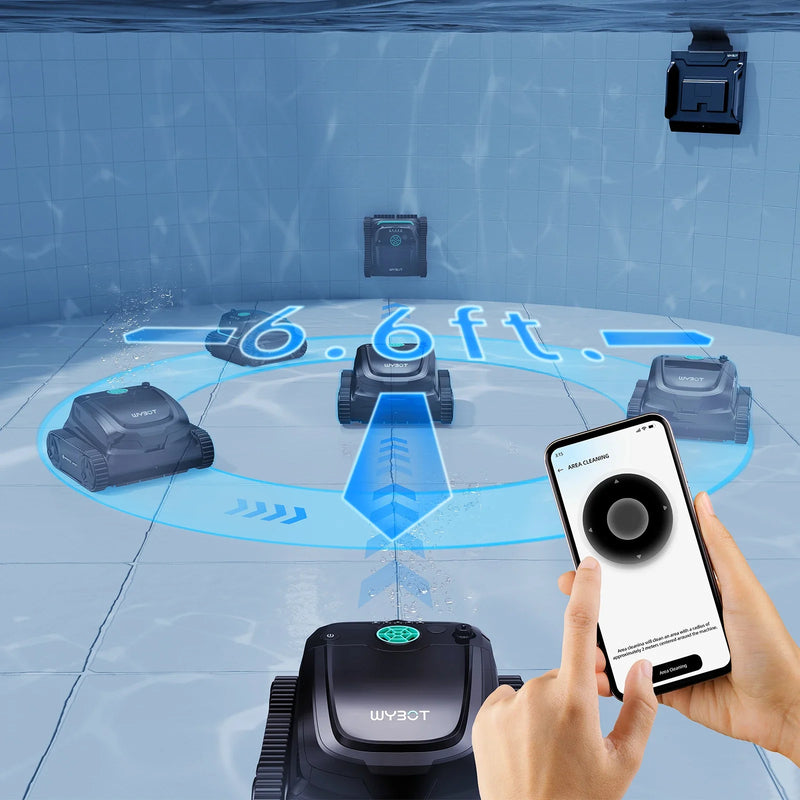
Modern pool maintenance tools can complement the use of a pool vacuum brush. Robotic pool cleaners, for example, can handle routine cleaning, while a vacuum brush can be used for targeted deep cleaning.
Some advanced vacuum systems offer adjustable suction settings and improved filtration, making the cleaning process even more efficient.
By combining traditional tools with modern technology, pool owners can achieve a higher standard of cleanliness with less effort.
Safety Tips for Using a Pool Vacuum Brush
Safety should always be a priority when maintaining your pool. Ensure that all equipment is in good condition before use.
Avoid using damaged hoses or attachments, as they can reduce efficiency or pose risks. If using an electric vacuum system, follow all safety guidelines to prevent electrical hazards.
Keep the pool area clear of obstacles during cleaning to ensure smooth operation. Taking these precautions helps create a safe and effective cleaning environment.
A Simple Tool for Superior Pool Maintenance
A pool vacuum brush is a simple yet powerful tool that plays a crucial role in maintaining spotless pool surfaces. By combining scrubbing and suction, it offers an efficient and effective cleaning solution for all types of pools.
With the right brush, proper technique, and consistent maintenance routine, pool owners can enjoy crystal-clear water and a pristine swimming environment year-round. Investing time in regular cleaning not only enhances the pool’s appearance but also protects its longevity and ensures a better swimming experience.


