

Keeping a swimming pool clean is essential for both aesthetics and health, but choosing the right cleaning equipment can be challenging. Pool owners today typically face a key decision: should they invest in a professional pool vacuum or opt for a robotic pool cleaner? Each option offers unique advantages, and the right choice depends on factors such as pool size, budget, maintenance expectations, and desired level of automation.
Professional pool vacuums have long been the standard for deep cleaning and commercial use, while robotic cleaners represent the latest innovation in convenience and efficiency. Understanding the differences between these two categories will help you make an informed decision and maintain your pool more effectively.
What Is a Professional Pool Vacuum
A professional pool vacuum generally refers to manual or semi-automatic cleaning systems commonly used by pool maintenance professionals. These vacuums are typically connected to the pool’s filtration system or an external pump, and they require active user involvement during operation.
There are two main types of professional vacuums: manual vacuum heads attached to telescopic poles and hoses, and suction-side or pressure-side cleaners that automate some aspects of cleaning but still rely on the pool’s infrastructure. These systems are known for their strong suction power and ability to handle heavy debris, making them ideal for deep cleaning tasks or neglected pools.
However, they often require setup time, physical effort, and regular monitoring. This makes them more suitable for users who prefer hands-on control or need to tackle demanding cleaning situations.

What Is a Robotic Pool Cleaner
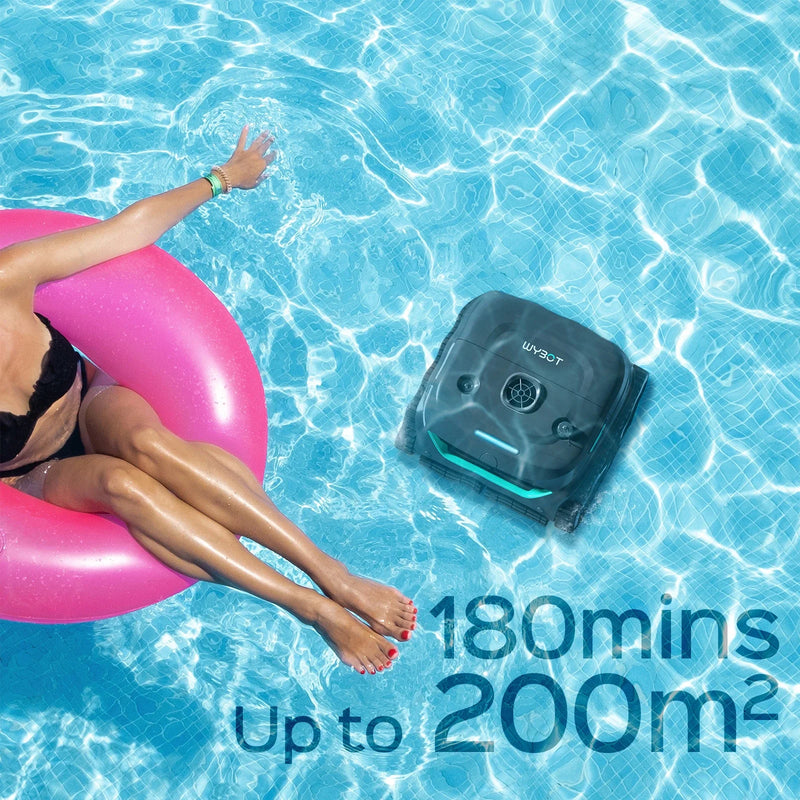
Robotic pool cleaners are self-contained devices designed to clean pools with minimal human intervention. Powered by electricity or rechargeable batteries, these machines operate independently from the pool’s filtration system.
Equipped with built-in motors, filters, and intelligent navigation systems, robotic cleaners can scrub, vacuum, and filter debris all at once. Many modern models feature programmable cleaning cycles, smart navigation, and even app-based controls.
Robotic cleaners are especially popular among residential pool owners who value convenience and automation. They significantly reduce the time and effort required for routine maintenance, making them a preferred choice for busy households.
Key Differences in Cleaning Performance
When it comes to cleaning performance, both professional vacuums and robotic cleaners have their strengths. Professional vacuums are known for their raw power and precision. Because they are manually operated or closely controlled, users can focus on specific problem areas, ensuring thorough cleaning in heavily soiled spots.
Robotic cleaners, on the other hand, excel in consistency and coverage. Their programmed cleaning patterns allow them to systematically clean the entire pool, including floors and sometimes walls. While they may not match the targeted intensity of a manual vacuum in extreme cases, they are more than capable of handling regular maintenance tasks.
For most homeowners, robotic cleaners provide sufficient cleaning performance for day-to-day use, while professional vacuums are better suited for occasional deep cleaning.
Ease of Use and Convenience
Ease of use is one of the biggest factors influencing purchasing decisions. Professional pool vacuums require assembly, connection to hoses or pumps, and active operation. Users must guide the vacuum across the pool, which can be time-consuming and physically demanding.
In contrast, robotic cleaners are designed for simplicity. Users typically only need to place the device in the water, press a button, and let it run. Once the cleaning cycle is complete, the device can be removed and cleaned with minimal effort.
This convenience makes robotic cleaners particularly appealing to those who want a “set it and forget it” solution. It also reduces the learning curve for new pool owners.
Energy Efficiency and Operating Costs
Energy consumption is another important consideration. Professional vacuums that rely on the pool’s pump can increase overall energy usage, especially if the pump needs to run for extended periods during cleaning.
Robotic cleaners are generally more energy-efficient because they operate independently and use low-voltage power systems. Many models are designed to optimize cleaning paths, reducing unnecessary movement and conserving energy.
Although robotic cleaners may have a higher upfront cost, their lower operating expenses can make them more cost-effective over time.
Maintenance Requirements
Maintenance needs differ significantly between the two options. Professional vacuums have fewer internal components, but they rely heavily on the pool’s filtration system. This means the pool filter may require more frequent cleaning and maintenance.
Robotic cleaners come with built-in filters that capture debris directly, reducing the load on the pool’s main system. However, these filters must be cleaned regularly to maintain optimal performance.
Overall, robotic cleaners simplify pool maintenance by centralizing debris collection, while professional vacuums distribute the workload across the pool’s infrastructure.
Cost Comparison and Long-Term Value
Cost is often a deciding factor. Professional pool vacuums are generally more affordable upfront, especially manual models. They are a practical choice for budget-conscious users or those who only need occasional cleaning.
Robotic cleaners typically require a higher initial investment, but they offer greater convenience and efficiency. Over time, the savings in labor, time, and energy can offset the higher purchase price.
For homeowners who use their pool frequently, a robotic cleaner often delivers better long-term value.
Best Use Cases for Each Option
Professional pool vacuums are best suited for situations that require deep cleaning or targeted debris removal. They are commonly used by pool service professionals and are effective for large pools or pools with heavy contamination.
Robotic cleaners are ideal for routine maintenance in residential settings. They are particularly useful for above-ground pools and small to medium-sized in-ground pools. Their automated operation makes them a convenient choice for regular cleaning schedules.
Many pool owners choose to use both tools: a robotic cleaner for everyday maintenance and a professional vacuum for occasional deep cleaning.
Technology and Innovation Trends
The pool cleaning industry continues to evolve, with robotic cleaners leading the way in innovation. Features such as smart navigation, app control, and energy-efficient operation are becoming increasingly common.
Brands like Wybot have introduced models that balance affordability with advanced functionality, making robotic cleaners more accessible to a wider audience. These innovations are gradually shifting consumer preferences toward automated solutions.
Professional vacuums, while less technologically advanced, remain reliable and effective tools for specific cleaning needs.

Choosing between a professional pool vacuum and a robotic cleaner ultimately depends on your priorities. If you value control, power, and lower upfront costs, a professional vacuum may be the right choice. However, if you prioritize convenience, automation, and long-term efficiency, a robotic cleaner is likely the better option.
For most modern pool owners, robotic cleaners offer a balanced combination of performance and ease of use. They simplify maintenance and provide consistent results, making them an excellent investment for keeping your pool clean and inviting.


