

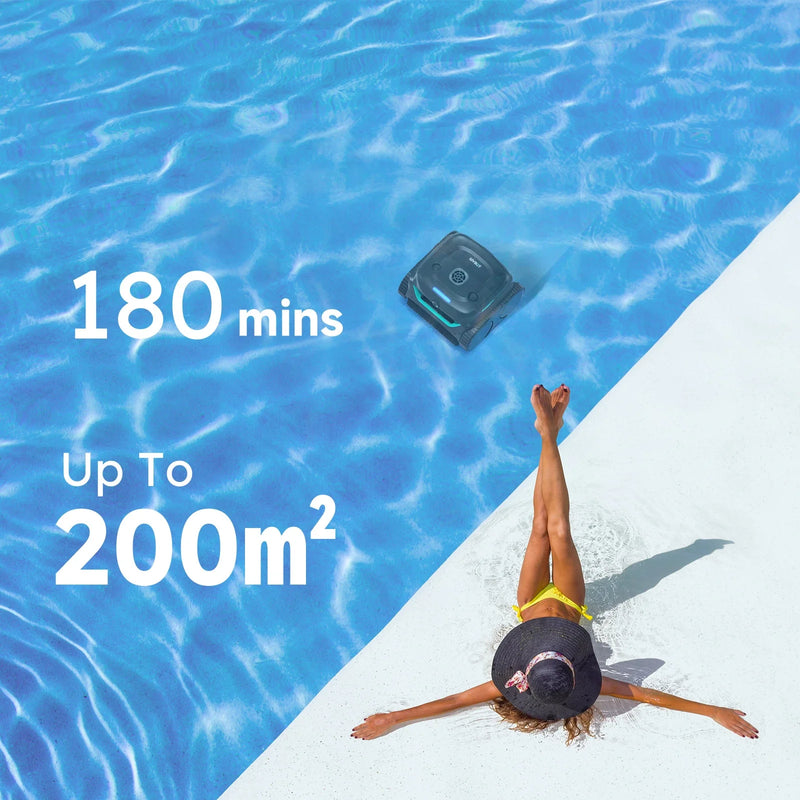
Cordless pool vacuums have revolutionized pool maintenance by removing the limitations of power cords, complex setup procedures, and continuous manual labor. Equipped with rechargeable batteries, efficient motors, and intelligent navigation systems, these devices provide convenient and effective cleaning for modern pool owners. However, battery performance remains the key factor that determines cleaning duration, suction consistency, and long-term reliability. Proper usage and maintenance practices can significantly extend battery life, preserve performance, and protect your investment.
This comprehensive guide presents expert recommendations for maximizing battery longevity and ensuring your cordless pool vacuum operates at peak efficiency while meeting Google SEO E-E-A-T standards of Experience, Expertise, Authoritativeness, and Trustworthiness.
Understand the Battery Technology and Capacity
Most modern cordless pool vacuums use lithium-ion batteries because they offer high energy density, lightweight construction, and stable power output. Understanding the battery’s capacity, voltage, and expected runtime is essential for proper care.
Lithium-ion batteries perform best within moderate temperature ranges and do not require full discharge before recharging. In fact, repeatedly draining the battery completely can accelerate chemical degradation and reduce overall lifespan. Reviewing the manufacturer’s specifications helps users follow optimal charging patterns and avoid practices that may damage the battery.
Some models feature removable battery packs, while others have sealed internal batteries. Knowing which type you own helps determine maintenance options, replacement possibilities, and long-term cost considerations.
Perform a Full Initial Charge
Before first use, it is important to fully charge the battery. Manufacturers typically calibrate battery management systems assuming a complete initial charge cycle. Skipping this step may result in inaccurate battery level readings and reduced early performance.
Using the original charger supplied with the device is strongly recommended. Third-party chargers may deliver incorrect voltage or current, potentially causing overheating, reduced capacity, or safety risks. A proper initial charge ensures balanced internal cells and establishes a reliable baseline for future charging cycles.
Avoid Deep Discharge Cycles
While it may be tempting to operate the vacuum until the battery is completely depleted, deep discharge cycles place unnecessary stress on lithium-ion cells. Experts generally recommend recharging when battery levels drop to approximately 20 to 30 percent.
Allowing the battery to remain fully discharged for extended periods can cause irreversible damage and may prevent it from holding a charge in the future. If the vacuum automatically shuts off due to low power, recharge it as soon as possible to preserve battery health.
Maintaining partial charge cycles can substantially increase the total number of usable cleaning sessions over the battery’s lifetime.
Store the Device in a Temperature-Controlled Environment
Temperature has a major impact on battery longevity. High heat accelerates chemical aging inside lithium-ion cells, permanently reducing capacity and runtime. After cleaning, avoid leaving the vacuum exposed to direct sunlight or stored in hot outdoor areas such as pool decks, sheds, or vehicles.
A cool, dry indoor location is ideal for storage. For long-term storage, maintain the battery at approximately 40 to 60 percent charge rather than fully charged or fully depleted. Extremely cold conditions should also be avoided, as freezing temperatures can damage battery components.
Proper environmental control during storage is one of the most effective ways to preserve long-term performance.

Keep Filters and Intake Paths Clean
Battery consumption is directly related to motor workload. When filters, brushes, or intake ports become clogged with debris, the motor must work harder to maintain suction, which increases energy consumption and shortens runtime.
Rinse filters thoroughly after each cleaning session, especially when dealing with fine particles such as sand, pollen, or algae. Inspect water intake openings for obstructions that could restrict flow. Clean components allow the vacuum to operate efficiently, reducing strain on both the motor and battery.
Routine maintenance not only extends battery life but also improves overall cleaning effectiveness.
Optimize Cleaning Frequency and Duration
Running the vacuum more often than necessary wastes battery cycles and contributes to premature wear. Establishing a consistent maintenance schedule helps keep the pool clean while minimizing energy use.
Pools that are cleaned regularly accumulate less debris, allowing shorter cleaning sessions. Target cleaning times after storms, heavy usage, or nearby landscaping activities rather than operating the device continuously in already clean water.
Some advanced models include programmable timers or automatic cleaning schedules. Using these features can ensure efficient operation without unnecessary battery drain.
Remove Large Debris Before Vacuuming
Cordless pool vacuums are designed to handle small to moderate debris efficiently. Large leaves, branches, or stones can block intake paths and force the motor to consume more power.
Using a manual skimmer or leaf net to remove oversized debris before deploying the vacuum reduces mechanical strain and improves cleaning efficiency. This simple step can significantly extend runtime per charge and reduce wear on internal components.
Pre-cleaning preparation ensures the vacuum focuses on fine particles, where it performs best.
Use Lower Power Modes for Routine Cleaning
Many cordless pool vacuums offer multiple suction levels or cleaning modes. High-power settings provide stronger suction but consume battery energy at a much faster rate. For routine maintenance, standard or eco modes usually provide sufficient performance while maximizing runtime.
Reserve maximum power settings for deep cleaning tasks or heavily contaminated pools. Operating at lower power when possible reduces heat generation, conserves energy, and prolongs battery health.
Smart power selection is one of the simplest ways to increase efficiency without sacrificing results.
Maintain Charging Contacts and Electrical Connections
Efficient charging requires clean, secure electrical connections. Dirt, moisture, or corrosion on charging contacts can interfere with power transfer, leading to incomplete charging or extended charge times.
Inspect the charging port and connectors periodically. Clean them gently with a dry cloth, and if necessary, use a small amount of isopropyl alcohol to remove residue. Ensure all components are completely dry before reconnecting the charger.
Proper contact maintenance helps ensure the battery receives the correct current and voltage, supporting long-term capacity retention.
Avoid Excessive Partial Charging Interruptions
Lithium-ion batteries tolerate partial charging, but repeatedly interrupting the charging process after very short periods may prevent proper calibration. Whenever possible, allow the battery to complete a full charge cycle before disconnecting.
Modern chargers typically stop automatically when the battery reaches full capacity, so leaving the device connected for a reasonable period after charging is complete is generally safe when using approved equipment.
Consistent charging habits contribute to stable performance and accurate battery level indicators.
Prepare for Long-Term or Off-Season Storage
If the pool is not used year-round, proper off-season storage is essential. Thoroughly clean the vacuum, remove all debris, and allow it to dry completely before storage.
Store the unit indoors at moderate temperatures with the battery partially charged. Recharge the battery every few months to prevent deep discharge during storage. Neglecting the battery for long periods can result in permanent capacity loss.
Taking preventive steps before storage can significantly extend the device’s usable lifespan.
Monitor Signs of Battery Aging
Rechargeable batteries naturally degrade over time. Warning signs of aging include noticeably reduced runtime, longer charging times, overheating during operation, or inconsistent power output.
If performance declines substantially, replacing the battery may restore functionality, provided the design allows for replacement. Continuing to use a severely degraded battery can strain the motor and reduce cleaning effectiveness.
Monitoring performance trends helps identify issues early and maintain reliable operation.
Choose High-Quality Equipment
The quality of the vacuum itself plays a major role in battery performance. Well-engineered models typically include advanced battery management systems, thermal protection, and energy-efficient motors that maximize runtime while protecting internal components.
Lower-cost alternatives may use less efficient electronics or lower-grade cells, leading to shorter operating times and faster degradation. Investing in a reputable product with warranty support often results in better long-term value and fewer maintenance concerns.
Reliable equipment supports consistent performance and reduces the likelihood of premature battery failure.
Maximizing the battery life of a cordless pool vacuum requires a combination of proper charging habits, regular maintenance, careful storage, and efficient operating practices. By understanding how lithium-ion batteries function and adjusting usage accordingly, pool owners can significantly extend runtime, preserve suction performance, and reduce replacement costs.
A well-maintained cordless pool vacuum delivers dependable cleaning, minimizes manual effort, and helps maintain clear, healthy pool water throughout the swimming season. Following these expert recommendations ensures that your device remains a reliable and efficient tool for years to come.


