

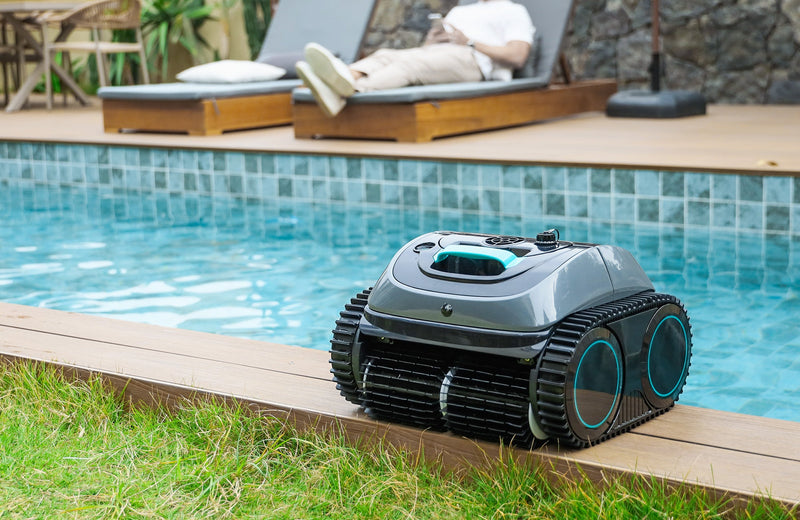
A handheld pool vacuum is a convenient tool that allows pool owners to maintain clean and sparkling water without the hassle of bulky equipment. However, to ensure long-term performance and durability, proper cleaning and storage are essential. Neglecting maintenance can reduce suction power, shorten battery life, and lead to costly repairs or replacements. In this article, we explore practical strategies for cleaning, storing, and maintaining your handheld pool vacuum to maximize its lifespan.
Understanding Your Handheld Pool Vacuum
Components of a Handheld Pool Vacuum
Handheld pool vacuums typically consist of a motorized suction unit, a removable filter or collection bag, battery (for cordless models), and attachments such as brushes or extension poles. Understanding these components is key to performing proper maintenance:
-
Motor and Suction Unit: The heart of the vacuum, responsible for pulling debris from the pool surface.
-
Filter or Collection Bag: Traps leaves, dirt, and small particles.
-
Battery (Cordless Models): Provides power for operation; battery care affects runtime and longevity.
-
Attachments: Include brushes, corner tools, and poles for reaching difficult areas.
Common Maintenance Issues
Neglecting maintenance can lead to:
-
Clogged Filters: Reduces suction efficiency.
-
Battery Degradation: Shorter runtime due to improper charging or storage.
-
Wear on Brushes and Attachments: Reduced cleaning performance over time.
Cleaning Your Handheld Pool Vacuum
Emptying and Rinsing the Filter
Regularly emptying and rinsing the filter prevents clogging and ensures consistent suction:
-
Remove the filter or collection bag from the vacuum.
-
Shake out debris and rinse under fresh water.
-
Allow the filter to air dry completely before reinstallation.
Cleaning the Suction Head and Attachments
The suction head and brushes can accumulate algae, dirt, and calcium deposits over time:
-
Detach all removable parts.
-
Use a soft brush or cloth to scrub away buildup.
-
For stubborn deposits, soak in a mild vinegar solution for 15–20 minutes, then rinse thoroughly.
Inspecting for Damage
Check for cracks, wear, or loose components:
-
Inspect seals and o-rings to prevent water leakage.
-
Tighten any screws or fittings to maintain structural integrity.
-
Replace damaged brushes to ensure optimal cleaning performance.
Battery Care for Cordless Handheld Vacuums
Proper Charging Practices
Battery life depends on correct charging routines:
-
Always use the manufacturer-recommended charger.
-
Avoid overcharging; remove the battery once fully charged.
-
Avoid completely discharging lithium-ion batteries to preserve capacity.
Storing Batteries
-
Store in a cool, dry location away from direct sunlight.
-
For long-term storage, keep the battery partially charged (around 50–70%).
-
Avoid exposure to moisture or extreme temperatures, which can damage battery cells.

Storing Your Handheld Pool Vacuum
Drying Before Storage
Moisture left in the vacuum can cause mold, corrosion, or electrical damage:
-
Rinse the vacuum thoroughly after use.
-
Shake out excess water from the suction head and collection bag.
-
Let all components air dry completely before storage.
Choosing the Right Storage Location
-
Store in a shaded, dry area away from harsh sunlight.
-
Keep out of reach of children and pets to prevent accidental damage.
-
Hang or place the vacuum on a shelf to avoid bending hoses or attachments.
Organizing Accessories
Keeping attachments organized ensures easy use and prolongs their lifespan:
-
Store brushes, poles, and other accessories together.
-
Use labeled containers or hooks to prevent misplacement.
-
Check and clean attachments before storage to remove any trapped debris.
Regular Maintenance Schedule
Weekly Maintenance
-
Rinse filters and collection bags.
-
Wipe down suction head and attachments.
-
Inspect for visible damage.
Monthly Maintenance
-
Deep clean brushes and attachments with mild solutions.
-
Check battery charge cycles and connections.
-
Inspect and lubricate seals if recommended by the manufacturer.
Seasonal Maintenance
-
For winter or off-season storage, remove batteries and store separately.
-
Perform a complete inspection of all components.
-
Ensure vacuum is clean, dry, and stored in a protective case if available.
Benefits of Proper Maintenance
Prolonged Lifespan
Consistent cleaning and careful storage prevent wear and tear, extending the vacuum's operational life.
Optimal Cleaning Performance
A well-maintained vacuum ensures maximum suction, effective debris removal, and consistent water clarity.
Cost Savings
Regular maintenance reduces the likelihood of costly repairs or premature replacements.
Enhanced Safety
Properly maintained batteries, electrical components, and attachments reduce the risk of accidents or malfunctions.
Tips for Maximizing Vacuum Efficiency
Pre-Cleaning the Pool
-
Remove large debris with a net before using the vacuum.
-
This reduces strain on the motor and prevents filter clogging.
Using the Vacuum Properly
-
Avoid dragging the vacuum across rough surfaces.
-
Move systematically to cover all areas without missing spots.
Post-Cleaning Routine
-
Rinse all components immediately after use.
-
Empty and dry filters and collection bags.
-
Recharge batteries as recommended and store vacuum properly.
A handheld pool vacuum is a valuable tool for keeping your pool clean and inviting. However, its performance and longevity depend on proper cleaning, battery care, and storage practices. By following a structured maintenance routine, inspecting for wear, and storing your vacuum correctly, you can ensure consistent cleaning efficiency, prolong battery life, and avoid costly repairs. Regular attention to maintenance not only enhances the lifespan of your handheld pool vacuum but also ensures a safer, cleaner, and more enjoyable pool experience year-round.


