

Keeping an inground pool clean is essential for maintaining water clarity, swimmer comfort, and the lifespan of pool equipment. However, many pool owners spend too much time manually vacuuming debris, brushing walls, and adjusting hoses. The good news is that modern pool cleaning methods can dramatically reduce the amount of manual effort required while still keeping your pool sparkling clean.
In this guide, you will learn practical and efficient ways to vacuum an inground pool with less work, including choosing the right equipment, improving cleaning routines, and using smart automation features.
Why Efficient Pool Vacuuming Matters
An inground pool naturally collects leaves, dirt, pollen, algae, insects, and fine debris from the surrounding environment. If debris remains in the water too long, it can:
- Reduce water circulation
- Cause cloudy water
- Increase chemical consumption
- Create slippery surfaces
- Put stress on pool filtration systems
Efficient vacuuming not only improves pool appearance but also lowers maintenance costs and reduces the time spent on cleaning tasks.
Choose the Right Type of Pool Vacuum
The easiest way to reduce manual effort is to select a vacuum system designed for convenience and automation. There are several common types of pool vacuums available for inground pools.
Manual Pool Vacuums
Traditional manual vacuums connect to a telescopic pole and pool skimmer. They require the user to move the vacuum head across the pool floor manually.
Advantages include:
- Lower initial cost
- Good control over targeted cleaning
- Suitable for spot cleaning
However, manual vacuums require more physical effort and time compared to automated options.
Suction Side Pool Vacuums
Suction-side cleaners connect directly to the pool’s filtration system. They automatically move around the pool while collecting dirt into the pool filter.
Benefits include:
- Reduced manual operation
- Continuous cleaning
- Affordable automation
These systems are ideal for pool owners seeking a balance between cost and convenience.
Pressure Side Pool Vacuums
Pressure-side cleaners use water pressure from the return jet to move around the pool and collect debris into a separate bag.
Key advantages:
- Less strain on pool filters
- Effective for larger debris
- Reduced maintenance frequency
They work well in pools surrounded by trees or landscaping.
Robotic Pool Cleaners
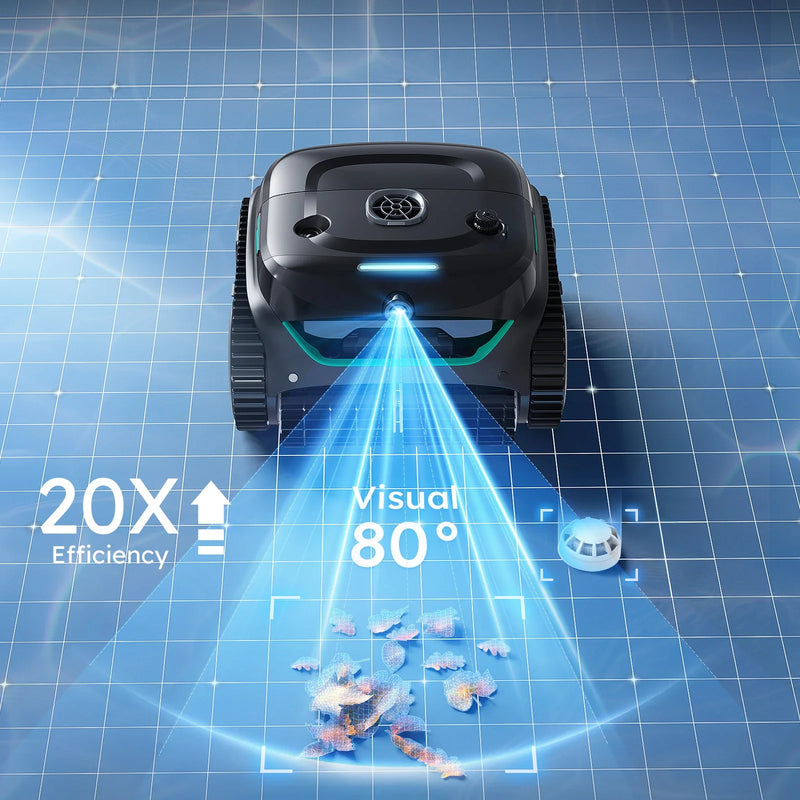
Robotic pool cleaners are currently one of the most effective solutions for minimizing manual pool cleaning.
Features often include:
- Independent cleaning systems
- Smart navigation technology
- Automatic wall climbing
- Fine filtration capability
- Programmable cleaning cycles
Because robotic cleaners operate separately from the pool pump, they can significantly reduce both labor and energy use.
Use a Robotic Pool Cleaner for Maximum Convenience
For pool owners who want the least amount of manual work, robotic pool cleaners are often the best investment.
Modern robotic cleaners can:
- Clean pool floors automatically
- Scrub pool walls and waterlines
- Capture fine dirt and leaves
- Operate on scheduled timers
- Reduce strain on the main filtration system
Many advanced cordless robotic pool cleaners also eliminate tangled hoses, making setup and storage easier.
When choosing a robotic cleaner, look for features such as:
| Feature | Benefit |
|---|---|
| Smart Navigation | Covers the entire pool efficiently |
| Fine Filter Basket | Captures small debris and sand |
| Wall Climbing Ability | Cleans walls and waterline |
| Long Battery Life | Supports larger pools |
| Easy Filter Access | Simplifies maintenance |
Using a robotic cleaner regularly can reduce manual vacuuming to occasional touch-ups only.

Optimize Your Pool Cleaning Schedule
A consistent cleaning routine reduces the amount of debris buildup and minimizes the need for deep manual cleaning sessions.
A simple maintenance schedule may include:
| Task | Frequency |
|---|---|
| Skim surface debris | Daily |
| Run robotic cleaner | 2–3 times weekly |
| Brush walls and steps | Weekly |
| Empty filter baskets | Weekly |
| Deep vacuum cleaning | Monthly |
Cleaning small amounts frequently is much easier than dealing with heavy debris accumulation.
Maintain Proper Water Chemistry
Balanced pool water helps reduce dirt buildup and algae growth, which decreases cleaning effort overall.
Maintain these recommended levels:
| Water Parameter | Recommended Range |
|---|---|
| pH | 7.2–7.6 |
| Chlorine | 1–3 ppm |
| Alkalinity | 80–120 ppm |
| Calcium Hardness | 200–400 ppm |
When water chemistry is balanced, debris is easier to filter and surfaces stay cleaner for longer periods.
Improve Pool Circulation
Good water circulation prevents dirt from settling at the bottom of the pool.
To improve circulation:
- Run the pool pump consistently
- Angle return jets downward
- Clean skimmer baskets regularly
- Backwash or clean filters when needed
Efficient circulation helps pool vacuums work more effectively and reduces dead spots where debris accumulates.
Use a Pool Cover to Reduce Debris
One of the simplest ways to reduce vacuuming effort is to prevent debris from entering the pool in the first place.
Benefits of pool covers include:
- Less leaf accumulation
- Reduced dust and pollen
- Lower chemical evaporation
- Cleaner water overall
Automatic pool covers can save significant cleaning time throughout the swimming season.
Clean Filters Regularly
Dirty filters reduce suction performance and make vacuuming less efficient.
Depending on your filtration system, clean or inspect:
- Cartridge filters
- Sand filters
- DE filters
- Robotic cleaner filter baskets
A clean filtration system allows vacuums to collect debris faster and improves water clarity.
Focus on High-Debris Areas
Certain parts of the pool collect more dirt than others.
Common high-debris zones include:
- Corners
- Steps
- Near ladders
- Around return jets
- Deep ends
Targeting these areas first can shorten cleaning sessions and improve efficiency.
Use Smart Pool Technology
Many modern pool systems now support automation features that reduce maintenance effort.
Examples include:
- App-controlled robotic cleaners
- Automated pump timers
- Smart water monitoring systems
- Remote cleaning schedules
Smart technology allows pool owners to manage cleaning even when away from home.
Reduce Manual Brushing with Better Equipment
Some robotic cleaners include active scrubbing brushes that remove algae and dirt from pool walls automatically.
This feature reduces the need for manual brushing and helps maintain cleaner surfaces between deep cleanings.
Choosing pool-friendly surfaces and maintaining balanced chemicals can also minimize algae growth.
Seasonal Maintenance Tips for Easier Cleaning
Different seasons create different cleaning challenges.
Spring
- Remove pollen and debris frequently
- Inspect filters and pumps
- Start robotic cleaning early
Summer
- Increase cleaning frequency during heavy pool use
- Monitor chlorine carefully
- Empty debris baskets more often
Autumn
- Use a leaf cover if trees are nearby
- Vacuum more frequently after storms
Winter
- Properly winterize the pool
- Store robotic cleaners safely
- Clean equipment before storage
Seasonal planning helps reduce long-term cleaning effort.
Common Mistakes That Increase Vacuuming Work
Avoid these common maintenance mistakes:
- Waiting too long between cleanings
- Ignoring filter maintenance
- Poor chemical balance
- Using undersized pool cleaners
- Running the pump for too few hours
Small preventive actions can save hours of manual labor later.
Learning how to vacuum an inground pool with less manual effort starts with using the right equipment and maintaining a consistent cleaning strategy. Robotic pool cleaners, balanced water chemistry, proper filtration, and smart scheduling can dramatically reduce the amount of physical work required.
Instead of spending hours manually vacuuming every week, pool owners can rely on automated solutions and preventive maintenance to keep their pools clean, clear, and swim-ready throughout the season. Investing in efficient pool care methods not only saves time but also improves the overall swimming experience.


