

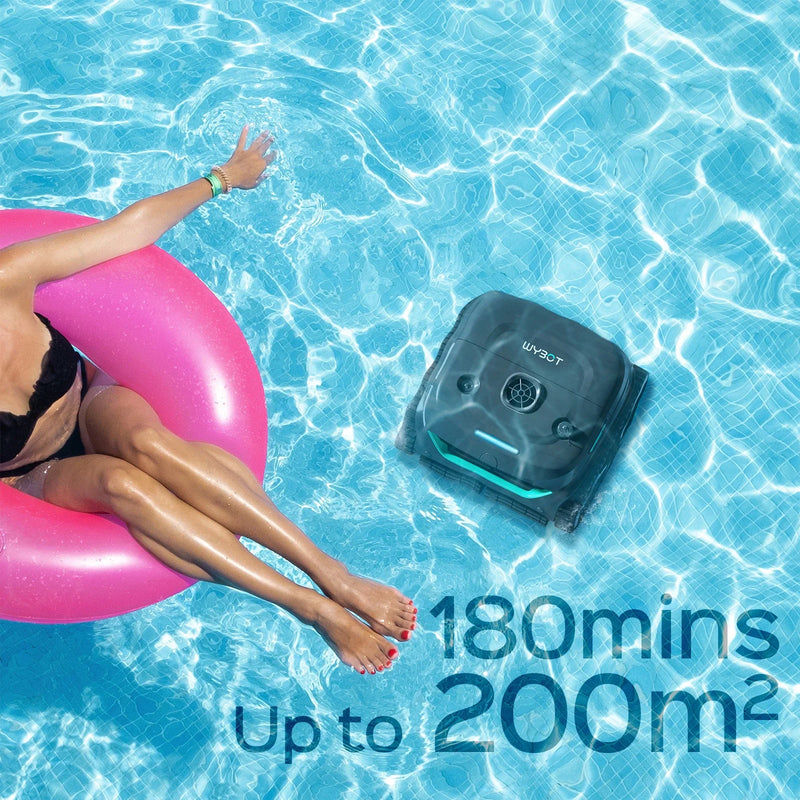
Keeping a swimming pool sparkling clean requires more than adding chemicals and running the filtration system. One of the most important maintenance tasks is vacuuming the pool correctly. Proper vacuuming removes dirt, debris, algae spores, and contaminants that settle on the pool floor and walls. When done consistently and effectively, it helps maintain crystal clear water, extends the life of pool equipment, and creates a healthier swimming environment.
This guide explains the right way to vacuum a pool, common mistakes to avoid, and the best tools available to achieve professional-level results.
Why Proper Pool Vacuuming Matters
Many pool owners assume that the filtration system alone can keep the water clean. While filters play a crucial role, they cannot remove all debris that settles at the bottom of the pool. Leaves, sand, dust, insects, and organic matter often accumulate in areas with low water circulation.
Regular vacuuming offers several benefits:
- Improves water clarity
- Reduces algae growth
- Enhances sanitizer effectiveness
- Prevents stains on pool surfaces
- Decreases filter workload
- Extends equipment lifespan
When debris remains in the pool for extended periods, it begins to decompose, increasing nutrient levels that can encourage algae growth and create cloudy water conditions.
Understanding Different Types of Pool Vacuums
Choosing the right vacuum is the first step toward effective pool maintenance. Several options are available on the market.
Manual Pool Vacuums
Manual vacuums connect to the pool's filtration system through a vacuum hose. The user guides the vacuum head across the pool floor to remove debris.
Advantages include:
- Lower upfront cost
- Good control over cleaning
- Effective for spot cleaning
However, manual vacuuming requires significant time and physical effort.
Automatic Suction-Side Cleaners
These cleaners connect to the pool's skimmer or dedicated suction line and move around the pool automatically.
Benefits include:
- Hands-free operation
- Affordable compared to robotic cleaners
- Continuous cleaning support
Their cleaning performance depends heavily on the pool pump and filtration system.
Pressure-Side Pool Cleaners
Pressure-side cleaners use water pressure from a booster pump or return line to collect debris into a dedicated bag.
Advantages include:
- Good for larger debris
- Reduced filter load
- Suitable for various pool shapes
They generally require more equipment installation than other options.
Robotic Pool Cleaners
Robotic cleaners have become increasingly popular among pool owners due to their advanced technology and convenience.
Popular models from brands such as WYBOT, Dolphin, Polaris, and Aiper offer intelligent navigation systems, powerful suction, and wall-climbing capabilities.
Benefits include:
- Independent operation
- Energy efficiency
- Excellent debris collection
- Wall and waterline cleaning
- Minimal impact on pool filtration
For many homeowners seeking crystal clear water with minimal effort, robotic pool cleaners represent the most effective solution.
Preparing Your Pool Before Vacuuming
Proper preparation improves vacuuming efficiency and ensures better cleaning results.
Remove Large Debris First
Use a leaf net or skimmer to remove floating leaves, insects, and larger debris before vacuuming. This prevents clogging and improves suction performance.
Brush Pool Walls and Floor
Brushing loosens dirt, algae, and biofilm that may be attached to surfaces. Vacuuming immediately after brushing allows the cleaner to remove the loosened particles before they settle again.
Check Water Chemistry
Balanced water chemistry helps prevent algae growth and improves overall water clarity.
Recommended levels include:
- pH: 7.2–7.6
- Free chlorine: 1–3 ppm
- Total alkalinity: 80–120 ppm
- Calcium hardness: 200–400 ppm

How to Vacuum a Pool Correctly
Following the proper vacuuming process ensures maximum cleaning effectiveness.
Step 1: Assemble the Equipment
For manual vacuuming, connect the vacuum head to the telescopic pole and attach the vacuum hose securely.
Step 2: Prime the Vacuum Hose
Air trapped in the hose can reduce suction. Submerge the hose completely in the water until all air bubbles disappear.
Step 3: Connect to the Skimmer
Attach the hose to the skimmer vacuum plate or designated suction port.
Step 4: Begin Vacuuming Slowly
Move the vacuum head slowly across the pool floor using overlapping passes.
A slow and methodical approach prevents debris from being stirred into the water.
Step 5: Focus on Problem Areas
Pay special attention to:
- Corners
- Steps
- Deep ends
- Around drains
- Areas with poor circulation
These locations often collect the most debris.
Step 6: Monitor Filter Pressure
During cleaning, check the filter pressure gauge. Rising pressure may indicate that the filter needs cleaning or backwashing.
Common Pool Vacuuming Mistakes
Many pool owners unknowingly reduce cleaning efficiency by making simple mistakes.
Vacuuming Too Quickly
Fast movements stir up debris, making it difficult for the vacuum to collect particles effectively.
Ignoring Pool Walls
Dirt and algae can accumulate on walls and waterlines. Complete cleaning should include these surfaces.
Neglecting Filter Maintenance
A dirty filter reduces suction and limits cleaning performance.
Skipping Regular Cleaning
Waiting too long between vacuuming sessions allows debris buildup and increases maintenance difficulty.
How Often Should You Vacuum Your Pool?
The ideal vacuuming schedule depends on pool usage, surrounding environment, and season.
General recommendations include:
- Weekly vacuuming for most residential pools
- Twice weekly during peak swimming season
- Additional cleaning after storms
- Immediate cleaning following heavy leaf fall
Pools located near trees may require more frequent maintenance.
Using Robotic Pool Cleaners for Better Results
Modern robotic pool cleaners have transformed pool maintenance.
Advanced units such as the WYBOT C1, WYBOT M1, Dolphin Nautilus series, and other premium models use intelligent mapping technology to maximize cleaning coverage.
Key features often include:
- Smart navigation systems
- Dual filtration
- Wall climbing capability
- Waterline scrubbing
- App control
- Long battery runtime
These systems reduce manual labor while providing consistent cleaning performance.
Many pool owners report clearer water and reduced maintenance time after switching to robotic cleaning solutions.
Maintaining Crystal Clear Pool Water Beyond Vacuuming
Vacuuming is only one component of comprehensive pool care.
Additional best practices include:
- Running the filtration system 8–12 hours daily
- Testing water chemistry weekly
- Brushing pool surfaces regularly
- Cleaning skimmer baskets
- Maintaining proper circulation
- Shock treating when necessary
Combining these practices with consistent vacuuming creates optimal water quality.
Signs Your Pool Needs Immediate Vacuuming
Certain indicators suggest that vacuuming should not be delayed.
Watch for:
- Visible debris accumulation
- Cloudy water
- Dirt on the pool floor
- Increased algae growth
- Reduced water clarity
- Dirty corners and steps
Addressing these issues early prevents larger maintenance challenges.

Vacuuming a pool the right way is essential for maintaining crystal clear water, protecting pool equipment, and ensuring a safe swimming environment. Whether using a manual vacuum, suction-side cleaner, pressure-side system, or advanced robotic pool cleaner, consistency is the key to success.
By removing debris regularly, maintaining balanced water chemistry, and following proper cleaning techniques, pool owners can significantly improve water quality and reduce long-term maintenance costs. Modern robotic cleaners, especially advanced models from leading brands such as WYBOT, offer an efficient and convenient solution for keeping pools spotless throughout the swimming season.
A clean pool is not just visually appealing—it is healthier, easier to maintain, and more enjoyable for everyone who uses it.


