

Selecting the best robotic pool cleaner is not just about choosing a well-known brand or the most expensive model. One of the most critical yet often overlooked factors is your pool size. A cleaner that performs exceptionally well in a small above-ground pool may struggle in a large in-ground pool with complex features.
Understanding how pool size impacts cleaning efficiency, coverage, and overall performance is essential for making a smart investment.
Understanding Pool Size and Its Impact on Cleaning Performance
Pool size directly influences how effectively a robotic cleaner can do its job. Size is not just about length and width—it also includes depth, shape, and total surface area.
A small pool typically requires less runtime and simpler navigation, while larger pools demand advanced mapping systems, longer battery life or cable length, and stronger suction power.
Key factors influenced by pool size include:
- Cleaning cycle duration
- Battery capacity or cable length
- Debris storage capacity
- Navigation and mapping efficiency
Choosing a cleaner that aligns with these factors ensures optimal performance and prevents unnecessary wear or inefficiency.
Robotic Pool Cleaners for Small Pools (Up to 30 Feet)
Small pools, including plunge pools, above-ground pools, and compact backyard designs, benefit from lightweight and efficient robotic cleaners.
For pools up to 30 feet, you should prioritize:
- Compact and lightweight design
- Shorter cleaning cycles (1–2 hours)
- Basic navigation systems
- Moderate suction power
These cleaners are typically more affordable and easier to store. Since the cleaning area is limited, advanced features like AI mapping or extended runtime are often unnecessary.
Another advantage is energy efficiency. Smaller robotic cleaners consume less power while still delivering excellent results.
Choosing the Right Cleaner for Medium Pools (30–50 Feet)
Medium-sized pools are the most common in residential settings, and they require a balanced approach.
For pools between 30 and 50 feet, look for:
- Enhanced navigation systems (smart scanning or gyroscope-based movement)
- Longer cleaning cycles (2–3 hours)
- Larger debris canisters
- Wall-climbing capability
At this size, the cleaner must efficiently cover more ground without missing spots. Models with intelligent path planning significantly improve cleaning consistency.
Additionally, features like programmable schedules and multiple cleaning modes become more valuable for maintaining water clarity with minimal effort.
Best Options for Large Pools (50+ Feet)
Large pools present unique challenges, including extended cleaning areas, deeper sections, and higher debris accumulation.
For pools over 50 feet, prioritize:
- Extended cable length or high-capacity batteries
- Advanced navigation (AI mapping, smart sensors)
- High-capacity filtration systems
- Strong suction and dual-motor systems
These cleaners are designed for heavy-duty performance and can handle complex pool layouts, including slopes, steps, and irregular shapes.
While they come at a higher price point, their efficiency and durability make them a worthwhile investment for large pool owners.

Corded vs. Cordless: Which Is Better for Your Pool Size?
The choice between corded and cordless robotic pool cleaners often depends on pool size.
Corded Cleaners:
- Ideal for large pools
- Unlimited runtime
- Consistent power supply
- May require cable management
Cordless Cleaners:
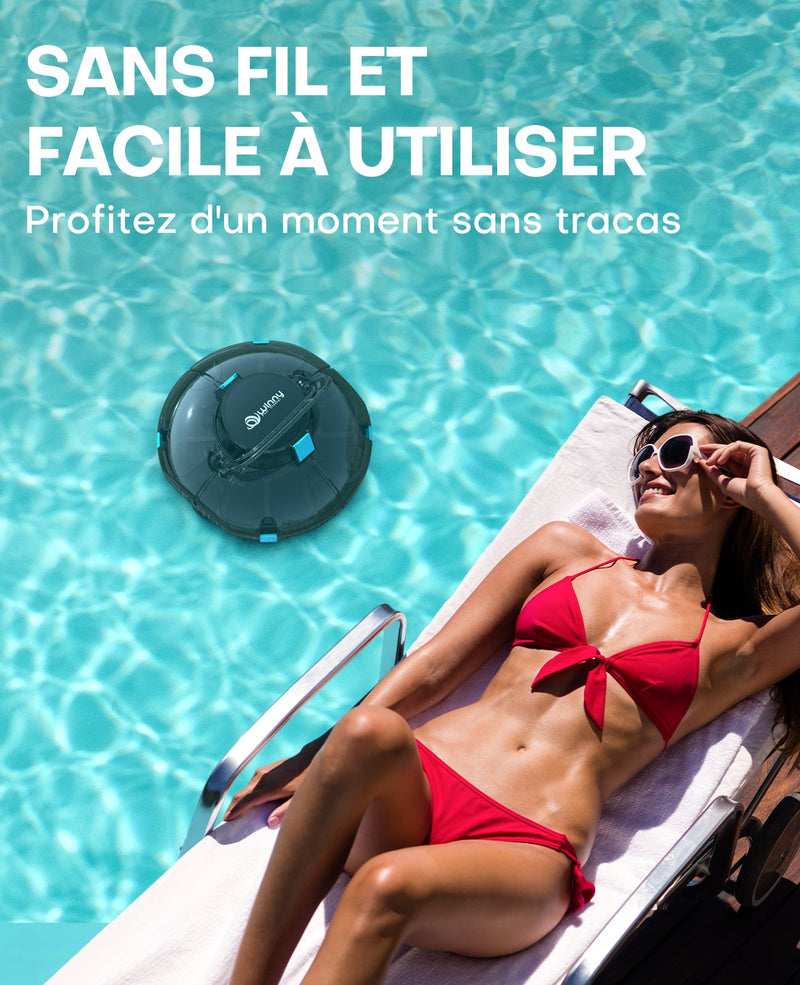
- Best for small to medium pools
- Greater mobility
- Easy to use and store
- Limited by battery life
For larger pools, corded models ensure uninterrupted cleaning. For smaller pools, cordless models offer unmatched convenience.
Key Features to Match with Pool Size
Beyond size categories, certain features should align with your pool’s specific requirements.
1. Navigation Technology
Advanced navigation ensures complete coverage, especially in larger pools. Look for models with smart mapping or obstacle detection.
2. Filtration System
Fine filters are essential for capturing small debris like sand and algae. Larger pools benefit from higher-capacity filters.
3. Climbing Ability
If your pool has walls, steps, or slopes, choose a cleaner with strong climbing capabilities.
4. Cleaning Modes
Multiple modes (floor-only, wall-only, full coverage) provide flexibility for different cleaning needs.
5. Ease of Maintenance
Top-loading filter baskets and simple cleaning mechanisms save time and effort.
Matching Cleaner Performance to Pool Shape and Features
Pool size is important, but shape and design also play a significant role.
Irregularly shaped pools, infinity edges, and pools with built-in features require more advanced cleaners. In such cases, even a medium-sized pool may need a high-end model.
Consider:
- Corners and tight spaces
- Steps and ledges
- Waterline cleaning requirements
A cleaner with adaptive navigation and flexible movement patterns will perform better in complex environments.
Energy Efficiency and Long-Term Cost Considerations
Robotic pool cleaners are generally more energy-efficient than suction-side or pressure-side systems. However, choosing the right size ensures even greater savings.
A cleaner that is too powerful for a small pool wastes energy, while an underpowered cleaner for a large pool may require multiple cycles.
Long-term cost factors include:
- Energy consumption
- Maintenance and replacement parts
- Durability and lifespan
Investing in the right cleaner for your pool size reduces operational costs and extends the device’s lifespan.
Common Mistakes to Avoid When Choosing a Robotic Pool Cleaner
Many pool owners make avoidable mistakes when selecting a robotic cleaner.
Ignoring Pool Size
Choosing a model without considering size leads to poor performance.
Overpaying for Unnecessary Features
Advanced features are not always needed for smaller pools.
Underestimating Debris Load
Pools surrounded by trees or exposed to wind require stronger filtration.
Neglecting Maintenance Requirements
Complex systems may require more upkeep.
Avoiding these pitfalls ensures a better user experience and long-term satisfaction.
Expert Tips for Making the Right Choice
To make an informed decision, follow these expert recommendations:
- Measure your pool accurately (length, width, depth)
- Assess debris type and frequency
- Consider your preferred level of automation
- Read user reviews and product specifications carefully
- Choose a reputable manufacturer with reliable support
The Future of Robotic Pool Cleaners
As technology evolves, robotic pool cleaners are becoming smarter and more efficient. Innovations include:
- AI-driven navigation
- App-based controls and scheduling
- Improved battery technology
- Eco-friendly designs
These advancements will further enhance performance across all pool sizes, making maintenance easier and more accessible.
Find the Perfect Fit for Your Pool
Choosing the best robotic pool cleaner is ultimately about finding the right match for your pool size and specific needs. A well-matched cleaner not only improves cleaning efficiency but also saves time, energy, and money.
Whether you have a compact above-ground pool or a large, feature-rich in-ground pool, there is a robotic cleaner designed to meet your requirements. By understanding the relationship between pool size and cleaner capabilities, you can make a confident and informed decision.


