

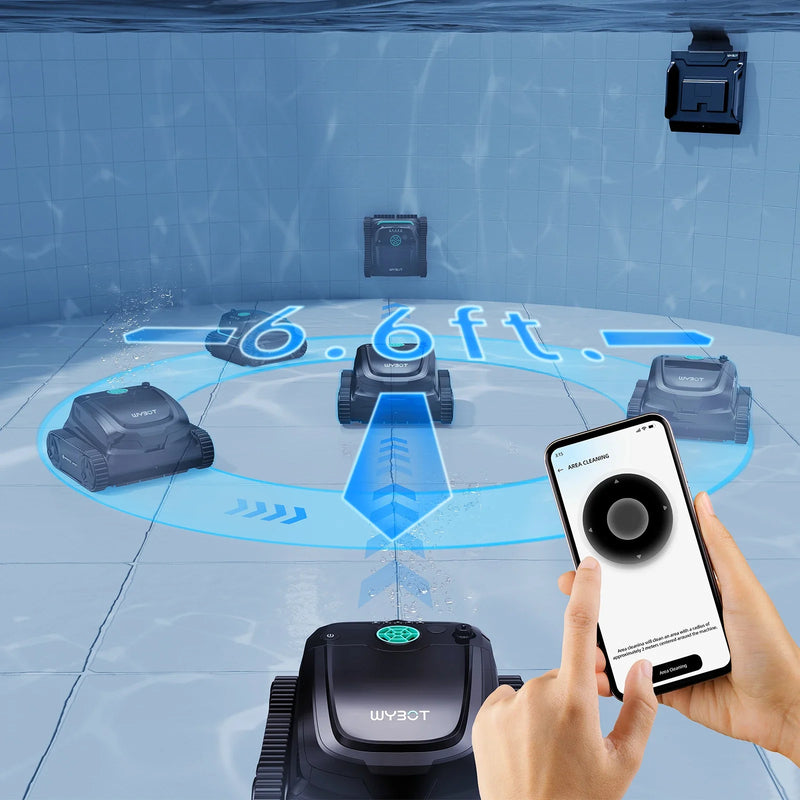
Keeping your pool clean is essential for maintaining water quality, extending the life of your pool system, and ensuring a pleasant swimming experience. While manual cleaning methods are still used in some households, automatic pool vacuums have become the preferred solution due to their efficiency and convenience. Choosing the right one, however, requires a clear understanding of your pool’s needs, available technologies, and practical performance factors.
Types of Automatic Pool Vacuums
There are three main types of automatic pool vacuums available on the market, each designed to meet different cleaning needs. Suction-side vacuums connect directly to your pool’s filtration system and use the pump’s suction power to remove debris. These models are generally more affordable and simple to operate, but they depend heavily on your existing pool equipment.
Pressure-side vacuums use water pressure from the return line to move around the pool and collect debris into a separate bag. They are particularly effective for handling larger debris such as leaves and twigs, making them suitable for pools surrounded by trees.
Robotic pool vacuums are independent units equipped with their own motors, filters, and navigation systems. They do not rely on your pool’s pump or filtration system, which makes them highly efficient and versatile. These models often provide the most thorough cleaning and are widely considered the best option for modern pool owners.
Understanding Your Pool’s Specific Needs
Selecting the right automatic pool vacuum begins with evaluating your pool’s unique characteristics. The size of your pool directly impacts the required runtime and coverage area of the cleaner. Larger pools demand longer operation times and more advanced navigation systems to ensure complete cleaning.
The type of pool also matters. Above-ground pools typically require lightweight and compact models, while in-ground pools may benefit from more powerful and feature-rich vacuums. Surface materials such as tile, vinyl, or fiberglass influence traction and cleaning performance, so compatibility is important.
Debris type is another key factor. Pools that frequently collect fine particles like sand or algae need vacuums with strong filtration systems, while those exposed to leaves and insects require larger debris capacity.

Key Features That Define Performance
When comparing automatic pool vacuums, certain features have a direct impact on performance and user experience. Cleaning coverage is one of the most important aspects, as some models are designed to clean only the pool floor, while others can handle walls and the waterline.
Filtration capability determines how effectively debris is captured. Advanced filtration systems can trap both large debris and fine particles, improving overall water clarity. Navigation technology also plays a critical role, as intelligent systems help the vacuum move efficiently and avoid missing spots.
Design considerations such as cordless operation or corded power supply influence convenience and usability. Cordless models offer greater flexibility and ease of handling, while corded models may provide longer continuous operation without the need for recharging.
Battery Life and Charging Considerations
For cordless automatic pool vacuums, battery performance is a crucial factor. A reliable unit should provide sufficient runtime to clean most or all of your pool in a single cycle. In many cases, a runtime of around one to two hours is adequate for residential pools.
Charging time is equally important. Faster charging allows for more frequent use and reduces downtime between cleaning sessions. Some models also include energy-saving features that adjust power usage based on the level of debris, helping to extend battery life and improve efficiency.
Understanding how battery performance aligns with your cleaning routine will help you choose a model that fits your lifestyle.
Smart Features and Modern Convenience
Modern automatic pool vacuums often include smart features that enhance convenience and control. Mobile app integration allows users to operate the device remotely, schedule cleaning sessions, and monitor performance in real time.
These features can simplify pool maintenance by reducing the need for manual intervention. For example, scheduling regular cleaning cycles ensures that debris is consistently removed, preventing buildup and maintaining water quality.
Real-time monitoring also provides useful insights, such as battery status and operational alerts, which can help users address issues quickly and efficiently.
Durability and Build Quality
Durability is an important consideration when investing in an automatic pool vacuum. These devices operate in environments exposed to water, chemicals, and varying temperatures, so they must be built to withstand harsh conditions.
High-quality materials, secure sealing, and corrosion-resistant components contribute to long-term reliability. Strong wheels or tracks improve mobility and ensure consistent performance across different pool surfaces.
A well-built vacuum not only lasts longer but also maintains its cleaning efficiency over time, making it a more cost-effective choice.
Budget and Long-Term Value
Automatic pool vacuums are available at a wide range of price points, from budget-friendly options to premium models with advanced features. While it may be tempting to choose the least expensive option, it is important to consider long-term value.
Lower-priced models may lack durability or advanced capabilities, leading to more frequent replacements or reduced performance. Higher-end models often provide better cleaning results, greater convenience, and longer lifespans.
Balancing your budget with the features that matter most will help you make a more practical and satisfying investment.
Real-World Performance Expectations
In real-world conditions, the performance of an automatic pool vacuum can vary depending on factors such as debris levels, pool shape, and weather conditions. A reliable vacuum should consistently remove visible debris and operate with minimal supervision.
It is also important to set realistic expectations. No single cleaning cycle may achieve perfect results in heavily soiled pools, but regular use will maintain cleanliness over time. Choosing a model with strong and consistent performance ensures better long-term results.
Maintenance and Proper Care
Even the best automatic pool vacuum requires regular maintenance to function effectively. Cleaning the filter after each use prevents clogging and maintains suction power. Checking for blockages and ensuring that moving parts are in good condition can prevent performance issues.
Proper storage is also important, especially during periods of non-use. Keeping the device in a dry and protected area helps preserve its components and extend its lifespan.
Routine care not only improves performance but also protects your investment over time.
Common Mistakes to Avoid
Many pool owners make avoidable mistakes when selecting an automatic pool vacuum. Choosing a model that is not compatible with the pool type can lead to poor performance and frustration. Ignoring important factors such as runtime, filtration capability, or maintenance requirements can also result in dissatisfaction.
Another common mistake is focusing solely on price without considering overall quality and functionality. A well-informed decision requires balancing multiple factors rather than prioritizing a single aspect.

Choosing the best automatic pool vacuum for your home involves more than simply picking a popular model. It requires a thoughtful evaluation of your pool’s characteristics, cleaning needs, and desired level of convenience. By understanding the different types of vacuums, key performance features, and real-world considerations, you can select a solution that delivers consistent results and simplifies your pool maintenance routine.
With the right automatic pool vacuum, maintaining a clean and inviting pool becomes a much easier and more efficient task, allowing you to spend less time on upkeep and more time enjoying your pool.


