

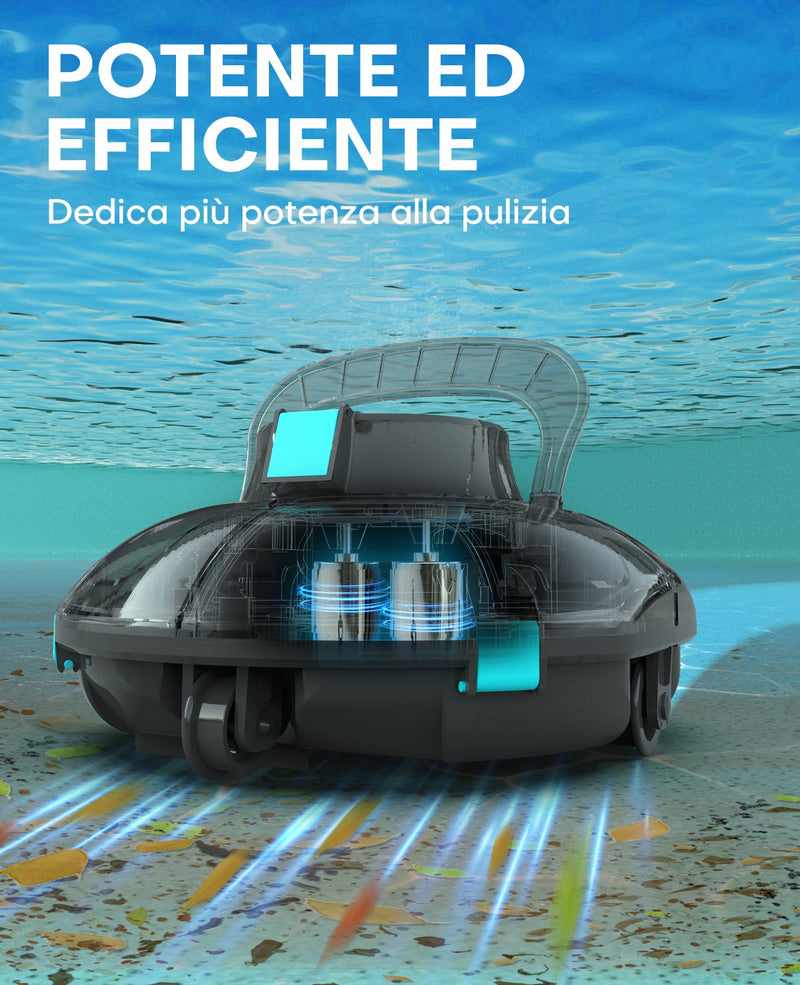
Algae is one of the most common and frustrating issues faced by pool owners. It can turn crystal-clear water into a cloudy, green mess in a matter of days, especially during warm weather or periods of neglect. Beyond aesthetics, algae can create slippery surfaces, clog filtration systems, and compromise water hygiene.
While chemicals like chlorine and algaecides play an important role, they are not always enough on their own. Physical removal of algae is a critical step in maintaining a truly clean pool. This is where an automatic pool vacuum becomes an essential tool.
Understanding Pool Algae: Causes and Types
To effectively combat algae, it is important to understand what causes it and how it develops. Algae are microscopic plant-like organisms that thrive in water environments with sunlight, warmth, and nutrients.
Common causes of algae growth include:
- Imbalanced water chemistry
- Poor circulation
- Infrequent cleaning
- Debris buildup
- Warm temperatures
There are several types of pool algae:
Green Algae
The most common type, easily spread and quick to grow.
Yellow (Mustard) Algae
More resistant to chlorine and often clings to pool walls.
Black Algae
The most stubborn type, with deep roots that embed into pool surfaces.
Each type requires a combination of chemical treatment and physical cleaning to fully eliminate.
Why Chemicals Alone Are Not Enough
Many pool owners rely heavily on chemicals to control algae, but this approach has limitations. While chlorine and algaecides can kill algae cells, they do not remove dead algae or prevent debris from accumulating.
Without physical removal:
- Dead algae remain in the pool, causing cloudiness
- Surfaces can still harbor algae spores
- Filtration systems become overloaded
An automatic pool vacuum complements chemical treatments by removing both live and dead algae, ensuring a more thorough cleaning process.
What Is an Automatic Pool Vacuum?
An automatic pool vacuum is a device designed to clean pool surfaces with minimal manual effort. Depending on the type—robotic, suction-side, or pressure-side—it can navigate the pool floor, walls, and waterline to remove debris and contaminants.
Key features typically include:
- Automated navigation
- Strong suction power
- Built-in filtration systems
- Programmable cleaning cycles
These features make automatic vacuums highly effective in maintaining consistent pool cleanliness.
How Automatic Pool Vacuums Remove Algae
Automatic pool vacuums play a direct role in algae control through several mechanisms.
1. Physical Scrubbing
Many models include brushes that scrub pool surfaces, loosening algae that cling to walls and floors.
2. Suction and Removal
Once dislodged, algae particles are vacuumed into the device’s filtration system.
3. Continuous Circulation Support
By moving water and debris, vacuums help improve overall circulation, making chemical treatments more effective.
4. Preventing Algae Growth
Regular cleaning removes the nutrients and debris that algae feed on, reducing the likelihood of future outbreaks.

The Role of Robotic Pool Cleaners in Algae Prevention
Robotic pool cleaners are particularly effective in combating algae due to their advanced features.
Advantages include:
- Independent filtration systems that capture fine particles
- Intelligent navigation for thorough coverage
- Consistent cleaning patterns
- Ability to climb walls and clean waterlines
These capabilities ensure that algae-prone areas are addressed regularly, preventing buildup before it becomes a problem.
Suction-Side vs. Pressure-Side Vacuums: Which Works Best?
Different types of automatic vacuums offer varying levels of effectiveness against algae.
Suction-Side Cleaners
- Use the pool’s filtration system
- Effective for fine debris
- May require frequent filter cleaning
Pressure-Side Cleaners
- Use water pressure to collect debris
- Often include debris bags
- Suitable for larger particles
Robotic Cleaners
- Self-contained units
- Best overall performance for algae removal
- Ideal for both fine and stubborn debris
For algae control, robotic cleaners are generally the most efficient option.
Key Features to Look for in an Algae-Fighting Pool Vacuum
When choosing an automatic pool vacuum to combat algae, consider the following features:
Strong Suction Power
Essential for removing fine algae particles.
High-Quality Brushes
Help dislodge stubborn algae from surfaces.
Fine Filtration System
Captures microscopic debris and prevents recirculation.
Wall-Climbing Capability
Ensures complete cleaning of all surfaces.
Smart Navigation
Prevents missed spots and improves efficiency.
Selecting a model with these features enhances your ability to maintain algae-free water.
Maintenance Tips for Keeping Algae Away
Using an automatic pool vacuum is only part of the solution. Proper maintenance practices are equally important.
1. Maintain Water Chemistry
Keep pH, chlorine, and alkalinity levels balanced.
2. Clean Regularly
Run your automatic vacuum frequently to prevent buildup.
3. Brush Problem Areas
Manually brush corners and steps when necessary.
4. Monitor Filtration System
Clean filters and ensure proper circulation.
5. Remove Debris Promptly
Leaves and organic matter provide nutrients for algae.
Combining these practices with automated cleaning ensures long-term success.
Real-World Benefits of Using an Automatic Pool Vacuum
Pool owners who incorporate automatic vacuums into their maintenance routines often experience:
- Clearer, more inviting water
- Reduced chemical usage
- Less manual labor
- Improved pool hygiene
- Longer lifespan of pool equipment
These benefits highlight the value of investing in a reliable cleaning solution.
Common Mistakes That Lead to Algae Growth
Even with the right equipment, certain mistakes can lead to algae problems:
- Infrequent cleaning cycles
- Ignoring water chemistry
- Overloading filters
- Choosing the wrong type of vacuum
- Neglecting hard-to-reach areas
Avoiding these pitfalls is essential for maintaining a clean and healthy pool.
The Future of Automated Pool Cleaning
Advancements in technology continue to improve the effectiveness of automatic pool vacuums. Emerging trends include:
- AI-driven navigation systems
- App-controlled cleaning schedules
- Enhanced filtration capabilities
- Energy-efficient designs
These innovations make it easier than ever to maintain crystal-clear water with minimal effort.
A Smarter Way to Keep Your Pool Algae-Free
Algae may be a persistent challenge, but it is far from unbeatable. By combining proper chemical treatment with the consistent performance of an automatic pool vacuum, pool owners can achieve and maintain crystal-clear water.
Automatic pool vacuums not only remove algae but also prevent its return by addressing the root causes—debris, poor circulation, and surface buildup. For anyone serious about pool maintenance, investing in an automatic vacuum is not just a convenience—it is a necessity.


