

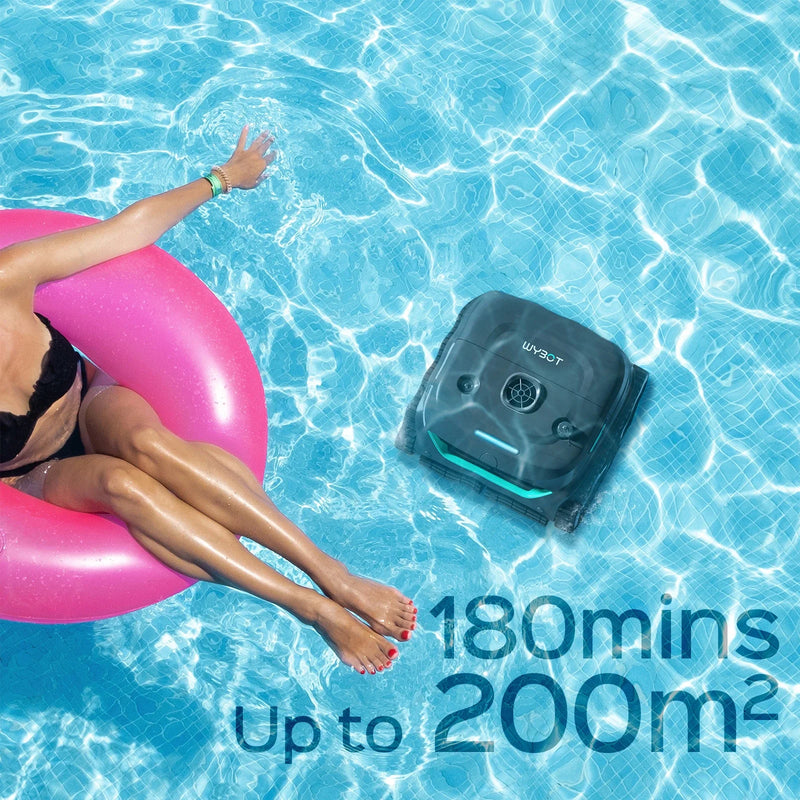
Keeping a swimming pool clean is essential for maintaining water quality, extending equipment lifespan, and creating a safe swimming environment. However, traditional manual cleaning methods can be time-consuming and physically demanding. This is why many pool owners are turning to modern pump pool vacuum systems for fast and efficient pool cleaning.
A pump pool vacuum uses powerful suction technology to remove leaves, sand, dirt, algae, and fine debris from pool floors, walls, and waterlines. Whether you own an above-ground pool or a large inground swimming pool, choosing the right vacuum system can dramatically reduce maintenance time while improving overall cleaning performance.
What Is a Pump Pool Vacuum
A pump pool vacuum is a cleaning device that uses suction power generated by a pool pump or built-in motor system to collect debris from swimming pools. These vacuums are designed to automate or simplify pool maintenance by efficiently removing contaminants from different pool surfaces.
Modern pool vacuums are available in multiple styles, including manual vacuums, suction-side cleaners, pressure-side cleaners, and robotic pool vacuums. Many advanced robotic models include intelligent navigation systems, cordless operation, automatic route planning, and high-capacity filtration systems that improve cleaning efficiency and reduce labor requirements.
As swimming pool technology continues to evolve, pump pool vacuums have become one of the most practical solutions for maintaining clean and healthy pool water with minimal effort.
Why Fast Pool Cleaning Matters
Fast and consistent pool cleaning is important for more than just maintaining an attractive appearance. A dirty pool can quickly develop problems such as poor water circulation, algae growth, cloudy water, clogged filters, and excessive chemical consumption. Over time, these issues may also damage pool equipment and increase maintenance costs.
Efficient cleaning helps remove debris before it breaks down in the water. Leaves, insects, dirt, and organic materials can negatively affect water chemistry and create an environment where bacteria and algae thrive. A high-performance pump pool vacuum can remove these contaminants quickly, helping pool owners maintain safer and healthier swimming conditions.
For busy homeowners and commercial pool operators, time-saving cleaning equipment is especially valuable. Instead of spending hours manually brushing and vacuuming, users can rely on automated vacuum systems to complete cleaning tasks with minimal supervision.
Advantages of Using a Pump Pool Vacuum
One of the biggest advantages of a pump pool vacuum is its powerful suction capability. Strong suction allows the system to capture large debris such as leaves and twigs while also removing fine particles like sand, dust, and algae residue. This level of cleaning performance helps improve overall water clarity and reduces strain on pool filtration systems.
Another important benefit is improved efficiency. Traditional pool cleaning methods often require significant physical effort and regular manual maintenance. Automated pump pool vacuums simplify the process by handling much of the cleaning work independently. Many robotic units can clean an average residential swimming pool in less than two hours.
Pump pool vacuums also contribute to better water circulation and filtration. By removing debris directly from pool surfaces, these systems prevent contaminants from accumulating inside the filtration system. This can help reduce wear on pumps and filters while lowering long-term maintenance expenses.
Modern pool vacuums are also designed for greater cleaning coverage. Advanced navigation systems allow robotic cleaners to move efficiently across pool floors, climb walls, and scrub waterlines. This comprehensive cleaning approach helps eliminate dirt in difficult-to-reach areas and minimizes the risk of algae buildup.

Important Features to Consider
When selecting a pump pool vacuum, several features should be considered to ensure optimal performance. Suction power is one of the most important factors because stronger motors provide better cleaning efficiency for both large and fine debris. Pools surrounded by trees or exposed to frequent dirt accumulation particularly benefit from high-powered vacuum systems.
Filtration capacity is another important consideration. Large filter baskets reduce the need for frequent cleaning interruptions and improve overall convenience. Fine filtration systems are especially useful for capturing pollen, dust, and microscopic particles that can affect water quality.
Smart navigation technology has become increasingly common in modern robotic pool vacuums. Intelligent route planning systems help cleaners avoid missed spots and reduce unnecessary overlap during operation. This improves cleaning speed while reducing energy consumption.
Cordless operation is another feature that many pool owners prefer. Battery-powered pool vacuums eliminate tangled cables and improve portability. Cordless systems also enhance safety and simplify storage after use.
Wall-climbing capability is particularly useful for complete pool maintenance. Vacuums that can clean vertical surfaces and waterlines help prevent algae formation and calcium buildup, resulting in a cleaner and healthier swimming environment.
How Pump Pool Vacuums Improve Pool Maintenance
Efficient pool maintenance requires consistent removal of debris and contaminants. Pump pool vacuums improve maintenance efficiency by reducing pressure on filtration systems and helping maintain balanced water chemistry.
When debris remains in the pool for extended periods, filtration systems must work harder to maintain water clarity. Frequent vacuum cleaning removes contaminants before they overload filters or circulation equipment. This helps extend the lifespan of pool pumps and reduces maintenance requirements.
Organic waste inside the pool can also increase chlorine demand and create unstable water chemistry. Regular vacuum cleaning helps stabilize chemical levels by removing materials that contribute to bacteria growth and algae development. As a result, pool owners may reduce overall chemical usage and maintenance costs.
Pump pool vacuums are also highly effective during seasonal cleaning periods. In autumn or after storms, pools often accumulate large amounts of leaves and debris. A powerful vacuum system can quickly restore water cleanliness and prevent contaminants from affecting pool performance.
Commercial swimming pools, hotels, resorts, and fitness facilities also benefit from automated cleaning systems. Maintaining clean water is critical for customer satisfaction and hygiene standards, making efficient cleaning equipment an essential investment.
Maintenance Tips for Long-Term Performance
Proper maintenance is important for keeping a pump pool vacuum operating efficiently. Filters and debris baskets should be cleaned regularly to maintain strong suction performance. Dirty filters can reduce cleaning efficiency and place unnecessary strain on the motor system.
Brushes, wheels, and moving parts should also be inspected periodically for wear or debris buildup. Replacing worn components can improve cleaning performance and extend equipment lifespan.
For cordless models, battery maintenance is essential. Following proper charging and storage guidelines helps maximize battery life and maintain reliable operation. Pool vacuums should also be stored in a cool and dry environment when not in use to protect electronic components and plastic materials from damage.
Routine maintenance not only improves cleaning results but also helps prevent costly repairs in the future.
The Future of Pool Cleaning Technology
Pool cleaning technology continues to advance rapidly. Many modern pump pool vacuums now feature app connectivity, AI-assisted navigation systems, energy-efficient motors, and enhanced filtration technology. These innovations improve cleaning precision while making pool maintenance more convenient for users.
Smart home integration is also becoming more common, allowing users to schedule cleaning cycles and monitor performance remotely. As battery technology improves, cordless pool vacuums are expected to deliver longer runtime and stronger suction capabilities.
The future of pool cleaning will likely focus on greater automation, improved energy efficiency, and smarter cleaning algorithms that provide faster and more effective results.

A pump pool vacuum is one of the most effective tools for fast and efficient pool cleaning. With strong suction power, intelligent cleaning technology, and automated operation, these systems help pool owners maintain cleaner water while reducing maintenance effort and operating costs.
Whether used for residential pools or commercial swimming facilities, a high-quality pump pool vacuum can significantly improve cleaning performance and overall pool maintenance efficiency. By investing in the right vacuum system and maintaining it properly, pool owners can enjoy cleaner, healthier, and more enjoyable swimming conditions throughout the year.


