

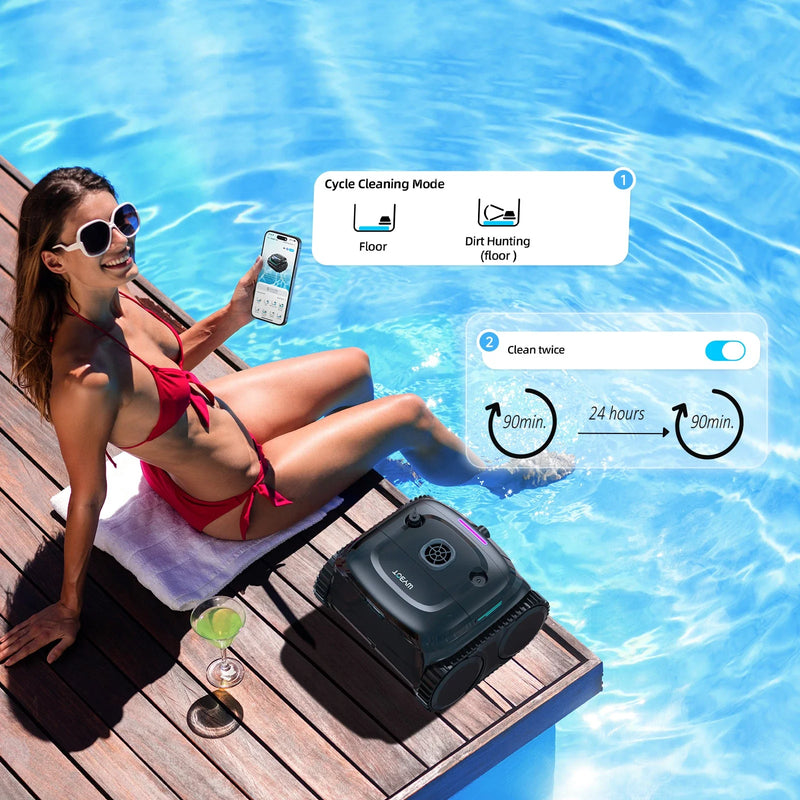
Maintaining a clean and healthy swimming pool doesn’t have to be a complicated or time-consuming process. With the right approach and tools, especially a reliable pool vacuum, weekly maintenance can become quick, efficient, and even enjoyable. Whether you’re a new pool owner or someone looking to improve your routine, understanding professional-level vacuuming techniques can significantly enhance water clarity, hygiene, and overall pool longevity.
Understanding the Importance of Weekly Pool Vacuuming
Regular pool vacuuming is essential for keeping debris, dirt, and algae under control. Even if your pool has a filtration system, it cannot capture everything, particularly heavier particles that settle at the bottom. Over time, these contaminants can affect water chemistry, create cloudy water, and even damage pool surfaces.
A consistent weekly vacuuming routine ensures that your pool remains visually appealing and safe for swimmers. It also reduces the strain on your filtration system, helping it operate more efficiently and last longer. Professional pool maintenance services often emphasize that prevention through regular cleaning is far more effective than dealing with buildup later.
Choosing the Right Pool Vacuum for Your Needs
Selecting the right type of pool vacuum is the foundation of effective maintenance. There are three primary categories: manual vacuums, suction-side vacuums, and robotic pool cleaners.
Manual vacuums offer full control and are ideal for spot cleaning or smaller pools. Suction-side vacuums connect to your pool’s filtration system and provide automated cleaning at a lower cost. Robotic pool cleaners, especially cordless models, deliver the highest level of convenience and efficiency by operating independently and requiring minimal user intervention.
For weekly maintenance, many professionals recommend robotic vacuums due to their consistent performance and ability to handle both fine particles and larger debris. Choosing a model that matches your pool size and cleaning requirements is key to achieving optimal results.

Preparing Your Pool Before Vacuuming
Proper preparation ensures that the vacuuming process is as effective as possible. Start by removing large debris such as leaves and twigs using a skimmer net. This prevents clogging and allows the vacuum to focus on finer particles.
Next, brush the pool walls and floor to loosen dirt and algae. This step is often overlooked but is critical for achieving a deep clean. By dislodging particles, you make it easier for the vacuum to capture them during operation.
Finally, check your water level and ensure it is within the recommended range. Low water levels can affect suction and overall performance, while proper levels ensure smooth operation.
Using Proper Vacuuming Techniques
Effective vacuuming is not just about turning on the device; technique plays a crucial role. For manual vacuuming, move the vacuum head slowly and methodically across the pool floor in overlapping lines. This ensures that no areas are missed and prevents debris from being stirred up and resettling.
When using robotic cleaners, position the device strategically in the pool and allow it to complete its cleaning cycle without interruption. Avoid removing it too early, as a full cycle is designed to maximize coverage and efficiency.
Consistency is key. Vacuuming your pool at the same time each week helps maintain water quality and prevents debris from accumulating to problematic levels.
Optimizing Filtration and Circulation
Vacuuming works best when combined with proper filtration and water circulation. After vacuuming, run your pool pump for several hours to ensure that any remaining fine particles are filtered out.
Cleaning or backwashing your filter regularly is equally important. A clogged filter reduces efficiency and can reintroduce debris into the pool. Professionals often recommend checking the filter after each vacuuming session to maintain optimal performance.
Good circulation also helps distribute chemicals evenly, preventing algae growth and maintaining balanced water chemistry.
Maintaining Proper Water Chemistry
Clean water is not just about removing visible debris; it also involves maintaining the right chemical balance. After vacuuming, test your pool water and adjust levels of chlorine, pH, and alkalinity as needed.
Balanced water chemistry enhances the effectiveness of your cleaning efforts and ensures a safe swimming environment. It also prevents issues such as scaling, corrosion, and algae formation, which can increase maintenance requirements over time.
Incorporating water testing into your weekly routine complements vacuuming and creates a comprehensive maintenance strategy.
Creating an Efficient Weekly Maintenance Routine
A structured routine simplifies pool care and ensures that no essential steps are missed. A typical weekly maintenance plan includes skimming the surface, brushing the walls and floor, vacuuming, checking the filter, and testing water chemistry.
By following a consistent schedule, you can significantly reduce the time and effort required for each session. Many pool owners find that once a routine is established, weekly maintenance takes less than an hour while delivering professional-level results.
Planning your maintenance on the same day each week also helps build consistency and keeps your pool in excellent condition year-round.
Leveraging Modern Technology for Better Results
Advancements in pool cleaning technology have made maintenance more efficient than ever. Robotic pool vacuums now feature intelligent navigation, powerful suction, and advanced filtration systems that rival professional cleaning services.
Cordless models add an extra layer of convenience by eliminating tangled cables and simplifying operation. These innovations allow homeowners to achieve high-quality cleaning results with minimal effort, making them a valuable addition to any pool maintenance routine.
Investing in modern equipment can transform the way you care for your pool, saving both time and energy in the long run.
Long-Term Benefits of Consistent Pool Vacuuming
Regular vacuuming not only keeps your pool clean but also protects your investment. By preventing debris buildup and maintaining proper water conditions, you reduce wear and tear on pool surfaces and equipment.
This proactive approach minimizes the need for costly repairs and extends the lifespan of your pool system. Additionally, a clean pool enhances the overall swimming experience, providing a more enjoyable and hygienic environment for family and guests.
Over time, the benefits of consistent maintenance become increasingly evident, reinforcing the value of a well-planned routine.

Achieving a clean and well-maintained pool does not require professional services if you follow the right techniques and use suitable equipment. By incorporating these professional pool vacuum tips into your weekly routine, you can maintain crystal-clear water with minimal effort.
Consistency, proper tools, and attention to detail are the keys to success. With a reliable pool vacuum and a structured approach, weekly maintenance becomes a simple and manageable task that keeps your pool ready for enjoyment at any time.


