

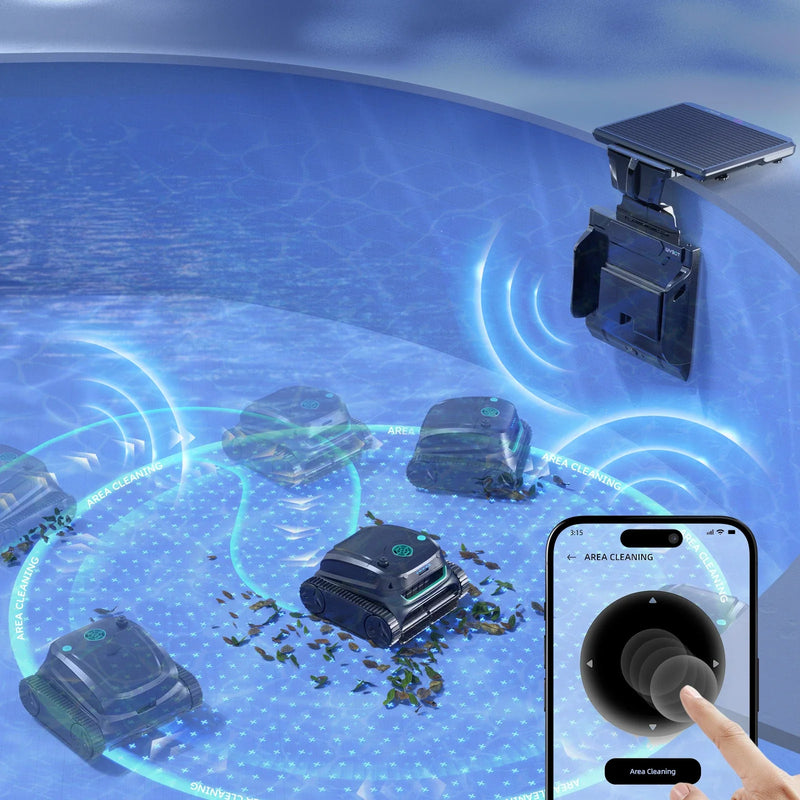
Robot pool vacuums have become an essential tool for maintaining clean and healthy swimming pools. They save time, reduce manual labor, and help pool owners keep water crystal clear throughout the swimming season. However, one of the most common issues users experience is weak suction. When a robotic pool cleaner loses suction power, it may fail to collect debris, leave dirt behind, or stop cleaning efficiently.
Understanding the causes of weak suction and learning how to repair the issue can extend the life of your pool robot vacuum while improving cleaning performance. This guide explains the most common reasons behind suction problems and provides practical repair solutions for pool owners.
Understanding How Pool Robot Vacuum Suction Works
A robotic pool cleaner uses an internal motor and pump system to create suction. Water is drawn through intake ports, passing through filters that capture dirt, leaves, algae, and small debris. Clean water is then returned to the pool.
Strong suction depends on several components working together properly:
- Motor and impeller
- Filter basket or filter cartridges
- Intake ports
- Brushes and tracks
- Pump circulation system
- Power supply and cable
When one of these components becomes blocked, damaged, or worn out, suction performance can decrease significantly.
Common Signs of Weak Suction in a Pool Robot Vacuum
Recognizing the symptoms early can help prevent larger mechanical problems. Common signs include:
- Debris remaining on the pool floor
- Cleaner moving slowly
- Reduced water flow from return jets
- Robot stopping frequently
- Dirt leaking back into the pool
- Weak climbing ability on pool walls
- Unusual motor noises
If your robotic pool cleaner shows any of these signs, inspecting the unit immediately is recommended.
Dirty or Clogged Filters Reduce Suction Power
One of the most common causes of weak suction is a dirty filter. Robotic pool cleaners rely heavily on clean filters to maintain proper water flow.
Over time, filters collect:
- Sand
- Leaves
- Hair
- Fine dust
- Algae
- Oils and sunscreen residue
When filters become clogged, water circulation decreases, causing weak suction.
How to Fix Dirty Filters
- Turn off and unplug the robotic cleaner.
- Remove the filter basket or cartridges.
- Rinse thoroughly using a garden hose.
- Soak filters in a mild cleaning solution if oils or calcium buildup are present.
- Allow filters to dry completely before reinstalling.
Cleaning filters after every cleaning cycle can significantly improve suction performance and extend filter life.
Blocked Intake Ports Can Restrict Water Flow
Pool robots collect debris through intake openings located underneath the cleaner. Small stones, leaves, twigs, or plastic debris can block these ports.
Even partial blockage can reduce suction efficiency.
Repair Steps for Blocked Intake Ports
- Flip the robot upside down.
- Inspect intake openings carefully.
- Remove visible debris using gloves or soft tools.
- Check for hidden obstructions inside the suction pathway.
- Rinse the intake area thoroughly.
Regular inspection helps prevent buildup that could strain the motor.

Worn Brushes Affect Cleaning Efficiency
Although brushes do not directly create suction, they loosen dirt and debris so the vacuum can collect it effectively. Worn or damaged brushes reduce overall cleaning performance and may make suction appear weak.
Signs of worn brushes include:
- Smooth or flattened bristles
- Uneven rotation
- Cracks or missing sections
- Reduced wall climbing ability
How to Replace Pool Robot Brushes
Most robotic pool cleaners allow quick brush replacement.
- Remove the old brush assembly.
- Clean surrounding parts.
- Install compatible replacement brushes.
- Test the cleaner in shallow water.
Replacing brushes every one to two seasons can maintain optimal cleaning performance.
Impeller Problems Can Cause Weak Suction
The impeller is responsible for moving water through the robotic cleaner. Hair, string, leaves, or debris wrapped around the impeller can slow water circulation.
A damaged impeller may also reduce suction dramatically.
How to Inspect and Repair the Impeller
- Disconnect power completely.
- Open the impeller access panel.
- Remove tangled debris carefully.
- Spin the impeller manually to check movement.
- Replace cracked or damaged impellers if necessary.
Keeping the impeller clean improves water flow and reduces strain on the motor.
Air Leaks Inside the Vacuum System
Air leaks can interfere with water pressure and suction efficiency. Cracked seals, loose fittings, or damaged housing components may allow air to enter the system.
Common leak locations include:
- Filter housing seals
- Intake connections
- Pump compartment gaskets
- Hose fittings on some models
Repairing Air Leaks
- Inspect rubber seals for cracks or wear.
- Tighten loose connections.
- Replace damaged gaskets.
- Use manufacturer-approved replacement parts.
Preventing water intrusion into electrical areas is also important for safety.
Weak Motor Performance and Electrical Issues
The motor powers the suction system. If the motor becomes weak due to age, overheating, or electrical faults, the robotic cleaner may lose suction power.
Possible electrical issues include:
- Faulty power supply
- Damaged cable
- Corroded connectors
- Overheating protection activation
Troubleshooting Motor Problems
- Check the power supply for stable operation.
- Inspect cables for cuts or twisting damage.
- Clean electrical connectors carefully.
- Allow overheated units to cool before restarting.
If the motor produces grinding noises or repeatedly shuts down, professional repair may be necessary.
Pool Water Conditions Can Impact Suction
Pool conditions also influence robotic cleaner performance. Extremely dirty water can overload filters quickly and reduce suction.
Problems may include:
- Excess algae
- Heavy leaf accumulation
- Fine dust after storms
- High calcium levels
Improving Pool Conditions
- Skim large debris before running the robot.
- Balance pool chemicals properly.
- Brush walls manually when algae appears.
- Backwash filtration systems regularly.
Cleaner pool water helps robotic vacuums operate more efficiently.
Preventive Maintenance for Long-Term Suction Performance
Routine maintenance is the best way to prevent suction problems and expensive repairs.
Recommended Maintenance Checklist
| Maintenance Task | Frequency |
|---|---|
| Clean filters | After every use |
| Inspect intake ports | Weekly |
| Check brushes | Monthly |
| Examine cable condition | Monthly |
| Clean impeller | Every 2 months |
| Inspect seals and gaskets | Every season |
| Store cleaner properly | Off-season |
Proper storage also matters. Keep the robotic cleaner in a cool, shaded area away from direct sunlight when not in use.
When to Replace Parts Instead of Repairing
Some parts naturally wear out over time. Replacing damaged components can restore suction performance quickly.
Common replacement parts include:
- Filter cartridges
- Brushes
- Tracks or wheels
- Impellers
- Power supplies
- Floating cables
Using genuine or compatible high-quality replacement parts ensures better durability and performance.
Choosing Professional Repair Services
If basic troubleshooting does not restore suction power, professional repair services may help diagnose deeper issues such as motor failure or internal electronic damage.
When selecting a repair provider, look for:
- Experience with robotic pool cleaners
- Manufacturer-certified technicians
- Warranty support
- Genuine replacement components
- Transparent pricing
Professional servicing can often extend the lifespan of expensive robotic cleaners.
Weak suction problems in pool robot vacuums are common but usually repairable. In many cases, clogged filters, blocked intake ports, dirty impellers, or worn brushes are the main causes. Regular maintenance and timely part replacement can restore strong suction and improve overall cleaning efficiency.
By understanding how robotic pool cleaners work and following proper maintenance routines, pool owners can enjoy cleaner water, better performance, and longer equipment lifespan. Investing a little time in routine care can prevent costly repairs and keep your robotic pool cleaner operating at peak performance throughout the pool season.


