

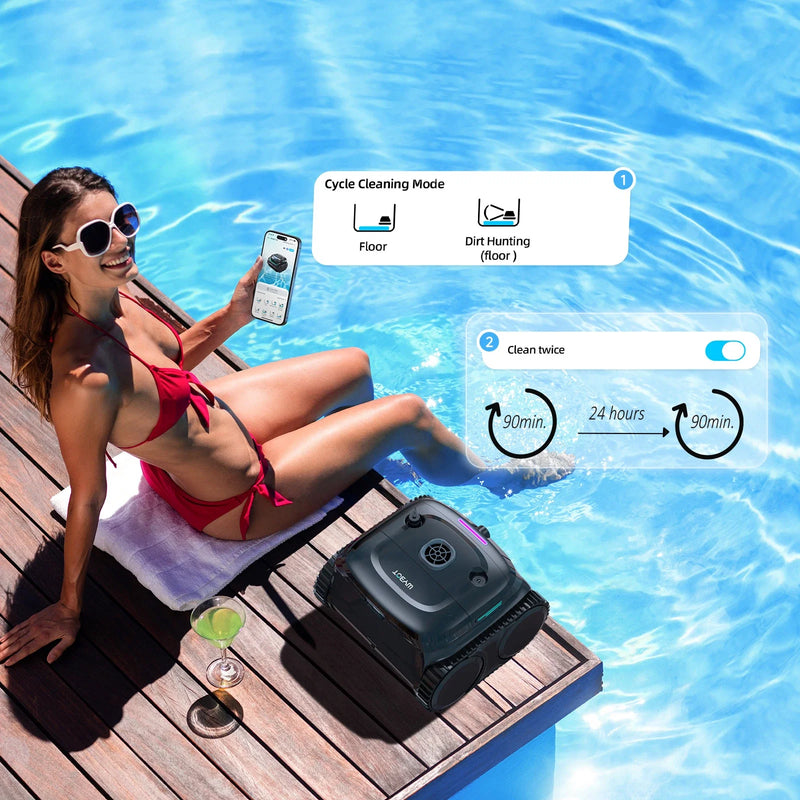
Keeping an above ground pool clean can feel like a constant task, especially during peak swimming season. Leaves, sand, insects, and algae can quickly accumulate on the pool floor and walls. An automatic vacuum cleaner for above ground pools helps reduce manual cleaning time while improving water clarity and overall pool hygiene.
However, many pool owners do not get the best performance from their cleaner because the setup process is often overlooked. Proper installation, positioning, filter preparation, and maintenance all affect cleaning efficiency. Understanding the right setup tips can help extend the life of your pool vacuum and ensure consistent cleaning results.
This guide explains everything pool owners should know about setting up an automatic vacuum cleaner for above ground pools, including preparation, troubleshooting, maintenance, and optimization tips.
Why Proper Setup Matters
An automatic pool vacuum is designed to navigate the pool and collect debris automatically. When correctly installed, it can:
- Improve water circulation
- Reduce algae growth
- Save cleaning time
- Lower manual maintenance effort
- Help pool filters work more efficiently
Incorrect setup may lead to poor suction, missed debris, tangled hoses, or incomplete cleaning cycles. Spending extra time on initial setup helps maximize performance and protect your investment.
Choosing the Right Automatic Vacuum Cleaner
Before setup begins, selecting the right cleaner for your above ground pool is essential. Different cleaners are designed for specific pool sizes, liner materials, and debris conditions.
Consider Pool Size and Shape
Small round pools may only require a lightweight cordless robotic cleaner, while larger oval pools often benefit from stronger suction systems with longer runtime.
When choosing a cleaner, check:
| Feature | Recommendation |
|---|---|
| Pool Diameter | Match cleaner coverage range |
| Pool Depth | Ensure compatibility |
| Pool Shape | Round, oval, rectangular support |
| Cleaning Time | Minimum 60–120 minutes runtime |
| Battery Capacity | Longer runtime for large pools |
Corded vs Cordless Models
Cordless robotic pool cleaners are becoming increasingly popular for above ground pools because they are easy to use and eliminate tangled cables.
Cordless advantages include:
- Easy installation
- No external power cords in water
- Better mobility
- Quick charging systems
- Convenient storage
Corded models may provide longer continuous cleaning sessions but often require more setup attention.
Filter Capacity Matters
Pools with heavy leaf debris require larger filter baskets or dual-layer filtration systems. Fine filters are ideal for sand and dust, while larger mesh filters work well for leaves and insects.
Preparing the Pool Before Installation
Remove Large Debris First
Before using the automatic cleaner, remove large floating debris manually using a skimmer net. Large sticks or oversized leaves may block the intake system.
This simple step improves cleaning efficiency and protects the motor.
Check Water Chemistry
Balanced water chemistry helps the cleaner operate effectively and protects internal components.
Recommended pool water ranges:
| Water Parameter | Ideal Range |
|---|---|
| pH | 7.2–7.6 |
| Chlorine | 1–3 ppm |
| Alkalinity | 80–120 ppm |
Unbalanced water may encourage algae buildup that can overwhelm the cleaner.
Inspect the Pool Floor
Sharp objects, broken toys, or stones should be removed before setup. These objects may damage brushes, rollers, or impellers.
Step-by-Step Automatic Vacuum Cleaner Setup
Charge the Battery Fully
For cordless models, fully charge the battery before the first use. Initial charging often takes several hours depending on the manufacturer.
A full battery helps the cleaner complete calibration and navigation cycles properly.
Assemble the Cleaner
Most above ground pool cleaners require minimal assembly.
Typical setup includes:
- Attach brushes or rollers
- Install filter basket
- Connect floating handle if included
- Secure intake covers
- Check wheel movement
Always review the manufacturer’s instructions for model-specific requirements.
Submerge the Cleaner Properly
Lower the cleaner slowly into the pool to allow trapped air to escape. Air trapped inside the cleaner may affect movement and suction.
Do not throw the cleaner into the water, as this can damage internal parts.
Position the Cleaner Correctly
Place the vacuum near the center of the pool floor when starting the cleaning cycle. This allows more balanced navigation.
For pools with heavy debris concentration, position the cleaner closer to affected areas initially.

Optimizing Cleaning Performance
Run the Cleaner at the Right Time
The best time to run an automatic pool cleaner is after swimming sessions or early in the morning before pool use.
Running the cleaner regularly prevents excessive debris accumulation.
Clean the Filter Frequently
Dirty filters reduce suction performance dramatically.
During heavy use periods:
- Rinse filters after every cycle
- Deep clean weekly
- Replace worn filters when necessary
A clean filter allows better debris capture and longer motor life.
Avoid Tangled Hoses and Obstacles
For corded models:
- Straighten hoses before use
- Remove floating toys
- Keep ladders clear if possible
Cordless cleaners generally avoid hose tangling issues entirely.
Common Setup Mistakes to Avoid
Using the Cleaner Immediately After Shock Treatment
High chlorine levels may damage seals and plastic components. Wait until water chemistry returns to safe swimming levels before operating the cleaner.
Ignoring Battery Maintenance
For cordless cleaners:
- Avoid storing with a fully depleted battery
- Recharge after use
- Store in cool, dry conditions
Proper battery care extends operating life significantly.
Overloading the Filter Basket
A full basket reduces water flow and cleaning efficiency. Empty the debris container regularly, especially during autumn or heavy pollen seasons.
Maintenance Tips for Long-Term Reliability
Rinse After Every Use
Pool chemicals and debris residue can accumulate over time. Rinse the cleaner thoroughly using fresh water after each cleaning session.
Inspect Moving Parts
Check brushes, tracks, wheels, and impellers regularly for wear.
Signs of wear include:
- Reduced climbing ability
- Strange noises
- Poor debris pickup
- Uneven movement
Replacing small parts early helps avoid larger repairs.
Store Properly
Store the vacuum cleaner in a shaded, dry location away from direct sunlight.
Excessive heat exposure may shorten battery lifespan and weaken plastic components.
Troubleshooting Setup Problems
Cleaner Does Not Move
Possible causes include:
- Low battery
- Jammed impeller
- Incorrect assembly
- Debris blockage
Inspect the intake and moving parts carefully.
Weak Suction Performance
Common reasons include:
- Dirty filter
- Full debris basket
- Air trapped inside
- Clogged intake ports
Cleaning the filter usually restores performance quickly.
Cleaner Misses Certain Areas
Some automatic cleaners use random navigation patterns. Multiple cleaning cycles may be needed for complete coverage.
Improving water circulation and repositioning the cleaner can help.
Benefits of Automatic Pool Vacuum Cleaners
Modern above ground pool cleaners provide several advantages over manual vacuuming.
Time Savings
Automatic cleaners reduce manual scrubbing and vacuuming effort, allowing pool owners to focus more on enjoying the pool.
Better Water Quality
Consistent debris removal helps maintain cleaner, clearer water while reducing strain on the filtration system.
Reduced Physical Effort
Pool cleaning becomes much easier for families, elderly users, or busy homeowners.
Choosing Advanced Features
Modern automatic pool cleaners may include advanced technology such as:
- Smart navigation systems
- Wall-climbing capability
- Fine particle filtration
- Mobile app control
- Self-parking functions
These features improve convenience and cleaning precision.
Setting up an automatic vacuum cleaner for an above ground pool correctly is essential for achieving efficient cleaning performance and extending equipment lifespan. From selecting the right cleaner to preparing the pool and maintaining filters, every step contributes to better cleaning results.
Cordless robotic pool cleaners have made above ground pool maintenance easier than ever by simplifying installation and reducing manual labor. Regular maintenance, proper charging, and correct positioning help ensure reliable operation throughout the swimming season.
By following these setup tips, pool owners can enjoy cleaner water, reduced maintenance stress, and a more enjoyable swimming experience all season long.


