

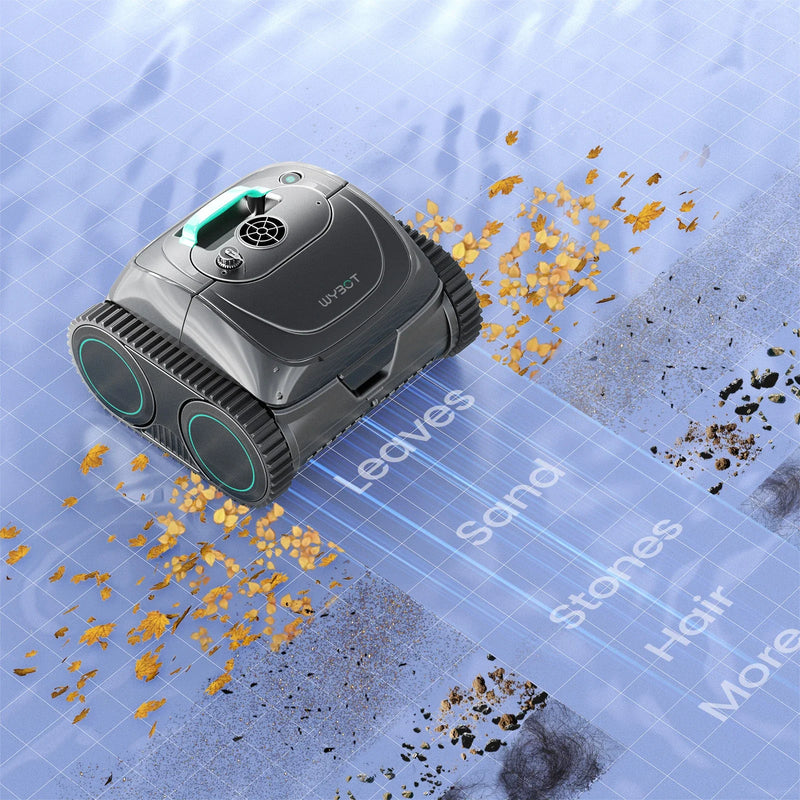
Keeping a swimming pool clean is essential for water quality, swimmer comfort, and long-term pool maintenance. In recent years, cordless pool vacuum cleaners have become increasingly popular because they offer convenience, flexibility, and easy operation without the hassle of tangled cords. Whether you own an above-ground pool or a large inground pool, a cordless robotic cleaner can save time while improving overall cleaning efficiency.
However, many pool owners do not get the best possible performance from their cleaners simply because they overlook a few important maintenance and operating tips. Understanding how to use cordless pool vacuum cleaners properly can dramatically improve cleaning results, extend battery life, and reduce maintenance costs.
This guide covers practical tips, expert recommendations, and common mistakes to help you maximize the performance of your cordless pool vacuum cleaner.
Why Cordless Pool Vacuum Cleaners Are So Popular
Cordless pool vacuum cleaners are designed to simplify pool maintenance. Unlike traditional corded cleaners, they move freely around the pool without requiring a power cable connected to an outlet. This cordless design offers several advantages:
- Easier setup and operation
- Greater movement flexibility
- Reduced risk of tangled cables
- Safer pool cleaning experience
- Better portability and storage
Modern cordless robotic pool cleaners also include smart navigation systems, powerful suction motors, fine filtration systems, and energy-efficient batteries. These features make them ideal for busy homeowners who want effective cleaning with minimal effort.
Choose the Right Cleaner for Your Pool Type
One of the biggest factors affecting cleaning performance is choosing a cleaner that matches your pool type and cleaning needs.
Above-Ground Pools
For above-ground pools, lightweight cordless pool vacuum cleaners are often the best choice. These pools usually have flat bottoms and smaller cleaning areas, so compact robotic cleaners can handle debris effectively without requiring advanced climbing functions.
Look for features such as:
- Lightweight body design
- Fast charging
- Fine debris filtration
- Easy retrieval system
Inground Pools
Inground pools often require more powerful cleaning systems because they may include slopes, deep ends, stairs, and larger surface areas.
For inground pools, choose cordless cleaners with:
- Strong suction power
- Wall-climbing capability
- Long battery runtime
- Intelligent navigation technology
- Multi-surface compatibility
Selecting the correct cleaner ensures more complete coverage and fewer missed spots during cleaning cycles.

Clean the Filter Regularly
A dirty filter is one of the most common reasons cordless pool vacuum cleaners lose suction power and cleaning efficiency.
As debris accumulates inside the filter basket or cartridge, water flow becomes restricted. This forces the motor to work harder while reducing the cleaner’s ability to pick up dirt, leaves, sand, and algae.
Best Practices for Filter Maintenance
To maintain optimal performance:
- Rinse the filter after every cleaning cycle
- Remove fine dirt using a garden hose
- Allow filters to dry completely before storage
- Replace damaged or worn filters promptly
If your pool frequently collects fine debris such as pollen or dust, consider using ultra-fine filter options when available.
Regular filter cleaning improves suction performance and extends the lifespan of the robotic cleaner.
Charge the Battery Correctly
Battery performance directly affects cleaning coverage and runtime. Improper charging habits can reduce battery lifespan over time.
Battery Charging Tips
For better cleaning results:
- Fully charge the cleaner before each cleaning session
- Avoid storing the cleaner with a completely drained battery
- Use the original charging equipment
- Store batteries in cool, dry environments
- Avoid prolonged exposure to direct sunlight
Most high-quality cordless pool vacuum cleaners use lithium-ion batteries, which perform best when maintained properly.
A healthy battery allows the cleaner to complete full cleaning cycles without interruptions.
Remove Large Debris Before Cleaning
Cordless robotic cleaners are highly effective, but they perform best when oversized debris is removed manually beforehand.
Large branches, excessive leaves, pool toys, or stones can block intake ports and reduce cleaning efficiency.
Pre-Cleaning Preparation
Before starting the cleaner:
- Use a skimmer net to remove floating debris
- Check for large leaves on the pool floor
- Remove obstacles from the pool
- Ensure proper water levels
This simple preparation step allows the cleaner to focus on smaller particles and stubborn dirt.
Run Cleaning Cycles More Frequently
Waiting too long between cleaning sessions often leads to heavy debris buildup, making the cleaning process less efficient.
Frequent cleaning improves water quality while reducing strain on the cleaner.
Recommended Cleaning Frequency
Pool usage and environmental conditions affect cleaning schedules:
- High-use pools: clean daily or every two days
- Moderate-use pools: clean 2–3 times weekly
- Seasonal pools: clean after storms or heavy wind
Regular cleaning prevents algae growth and minimizes dirt accumulation.
Use the Right Cleaning Mode
Many advanced cordless pool vacuum cleaners include multiple cleaning modes designed for different cleaning needs.
Common modes include:
- Floor-only cleaning
- Wall cleaning
- Waterline cleaning
- Eco mode
- Deep cleaning mode
Using the proper cleaning mode improves efficiency and battery usage.
For example:
- Floor mode works best for heavy dirt accumulation
- Eco mode is ideal for routine maintenance
- Deep cleaning mode handles stubborn debris after storms
Understanding your cleaner’s settings helps optimize cleaning performance.
Optimize Pool Water Chemistry
Many pool owners overlook how water chemistry affects cleaning results.
Poorly balanced water can cause algae buildup, calcium scaling, and cloudy water, making it harder for robotic cleaners to work efficiently.
Maintain Balanced Water Conditions
Monitor and maintain:
- pH levels
- Chlorine levels
- Alkalinity
- Calcium hardness
Balanced water reduces residue buildup inside the cleaner and keeps pool surfaces cleaner overall.
Good water chemistry also prevents filters from clogging too quickly.
Check Brushes and Wheels Frequently
Brushes and wheels play a major role in debris removal and pool surface traction.
Over time, worn brushes may lose scrubbing effectiveness, while damaged wheels can affect navigation performance.
Maintenance Tips
Inspect these parts regularly for:
- Cracks
- Wear
- Tangled hair
- Debris buildup
Replace worn components when necessary to maintain strong cleaning performance.
Store the Cleaner Properly
Proper storage extends the life of cordless pool vacuum cleaners and protects sensitive internal components.
Storage Recommendations
After cleaning:
- Rinse the cleaner with fresh water
- Allow it to dry completely
- Store in a shaded, dry location
- Avoid freezing temperatures
- Keep away from direct sunlight
Proper storage prevents battery damage and helps preserve plastic and rubber components.
Understand Your Pool’s Cleaning Challenges
Different pools collect different types of debris depending on location and surrounding conditions.
For example:
- Pools near trees collect more leaves
- Windy areas accumulate dust and sand
- High swimmer traffic increases dirt and sunscreen residue
Understanding your pool’s specific cleaning challenges helps you choose better cleaning schedules, filtration settings, and maintenance routines.
Smart Features Can Improve Cleaning Efficiency
Modern cordless pool vacuum cleaners increasingly include intelligent technologies that improve cleaning performance.
Popular smart features include:
- App connectivity
- Scheduled cleaning
- Smart navigation mapping
- Obstacle detection
- Auto-parking systems
These features help ensure better pool coverage while reducing manual effort.
Robotic cleaners with intelligent route planning can avoid repeated cleaning patterns and reduce missed areas.
Common Mistakes That Reduce Cleaning Performance
Avoiding common user mistakes can significantly improve results.
Common Issues Include
- Not cleaning filters regularly
- Using the wrong cleaning mode
- Allowing battery levels to stay low
- Running the cleaner in extremely dirty pools without preparation
- Ignoring worn parts
- Improper storage
Correcting these issues often restores cleaning efficiency immediately.
Why WYBOT Cordless Pool Vacuum Cleaners Stand Out
Among many available options, WYBOT cordless pool vacuum cleaners continue gaining popularity because they combine convenience, strong cleaning performance, and user-friendly operation.
Many WYBOT models feature:
- Cordless freedom
- Advanced navigation systems
- Long battery runtime
- Efficient debris filtration
- Easy maintenance design
For pool owners seeking practical and efficient cleaning solutions, cordless robotic cleaners with smart features can simplify routine maintenance significantly.
Cordless pool vacuum cleaners have transformed modern pool maintenance by making cleaning easier, faster, and more efficient. However, getting the best cleaning results requires more than simply placing the cleaner into the water.
By maintaining filters, charging batteries correctly, selecting proper cleaning modes, and following regular maintenance routines, pool owners can maximize cleaning efficiency while extending the lifespan of their robotic cleaners.
As cordless cleaning technology continues evolving, smart robotic pool cleaners are becoming an essential tool for keeping pools clean, clear, and ready for swimming throughout the season.


