

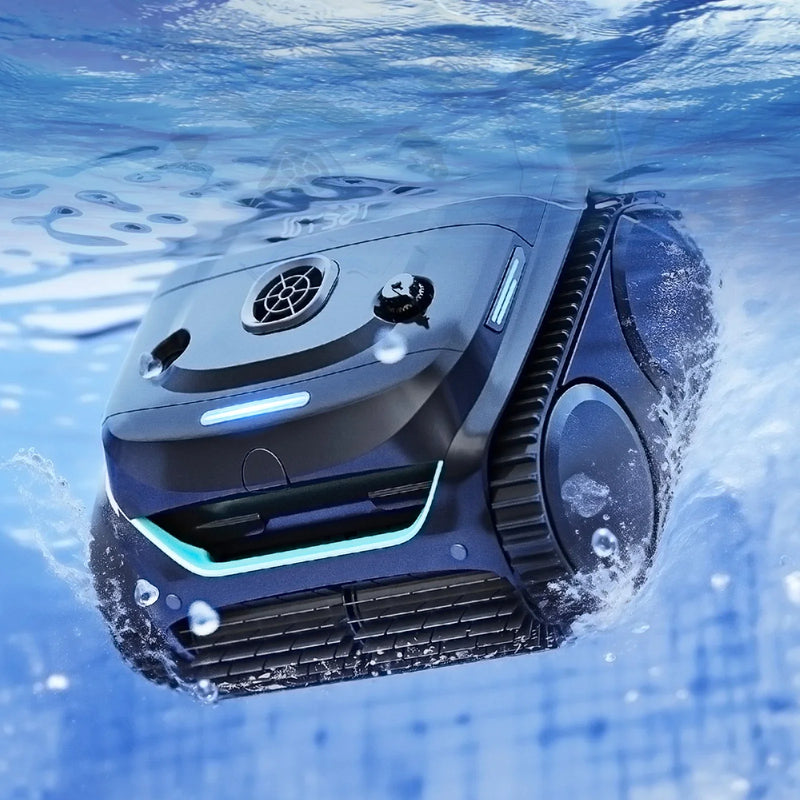
Cordless pool cleaners have quickly become a popular choice for pool owners who want a more convenient and efficient cleaning solution. Without the limitations of cords, these devices offer greater flexibility, easier handling, and a more streamlined user experience. But beyond marketing claims, how do cordless pool cleaners actually perform in real-world conditions?
This cordless pool cleaner real performance review focuses on practical usage rather than just technical specifications. By examining cleaning efficiency, battery life, navigation systems, ease of use, and durability, this guide provides a realistic understanding of what you can expect. Whether you own an above ground pool or an in-ground pool, knowing the true performance of these devices will help you make a smarter purchase decision.
Real Cleaning Performance: What Happens in Everyday Use?
Cleaning performance is the most important factor when evaluating any pool cleaner. In real-world scenarios, cordless pool cleaners have shown strong capabilities, particularly in handling common debris such as leaves, dust, sand, and small insects.
Most modern cordless models are equipped with powerful suction systems and improved filtration. As a result, they can capture both large debris and finer particles like silt. However, the effectiveness of fine debris removal often depends on the filter design. High-quality models with multi-layer filtration systems tend to deliver better results, especially in pools prone to algae or very fine dirt.
Performance also varies depending on pool design. Flat-bottom pools, especially above ground ones, are the easiest to clean. In these environments, cordless cleaners can often cover nearly the entire surface in one cycle. On the other hand, pools with slopes, curves, or steps may present challenges. In such cases, some areas might be missed during a single cleaning session, requiring additional cycles.
Another important observation is that many cordless cleaners focus primarily on floor cleaning. While some advanced units offer wall-climbing capabilities, consistent wall and waterline cleaning is not guaranteed across all models.

Battery Life and Charging: Real Limitations and Expectations
Battery performance is a defining feature of cordless pool cleaners. Most products on the market offer a runtime between 60 and 120 minutes. In practice, this is usually enough for small to medium-sized pools.
For example, a cleaner with a 90-minute runtime can typically handle a pool of around 800 to 1,000 square feet in a single session. However, for larger pools, multiple cleaning cycles may be necessary. This means users need to plan around charging times, which generally range from 3 to 6 hours.
Some newer models include fast-charging technology, reducing downtime significantly. However, battery degradation over time remains a realistic concern. After months or years of use, the runtime may decrease. Choosing a cleaner with a high-quality lithium battery and efficient energy management system can help mitigate this issue.
Navigation and Coverage: Efficiency in Motion
Navigation technology greatly influences how effectively a cordless pool cleaner operates. There are two main types of navigation systems: random movement and smart navigation.
Random navigation cleaners move in unpredictable patterns, changing direction when they encounter obstacles. While they eventually cover most areas, the process can be time-consuming and less efficient.
Smart navigation systems use sensors and algorithms to optimize cleaning paths. In real-world use, these models tend to provide better coverage in less time. They are particularly beneficial for medium to large pools or pools with more complex shapes.
Even so, no system is perfect. Obstacles like ladders, drains, and uneven surfaces can disrupt movement. As a result, even advanced cleaners may not achieve complete coverage in a single run.
Ease of Use: Does Cordless Really Mean Effortless?
One of the strongest advantages of cordless pool cleaners is their ease of use. Without cords to manage, setup is simple and quick. Most devices operate with a single button, making them accessible even for beginners.
Placing the cleaner in the pool and starting a cleaning cycle typically takes only seconds. Retrieval is also straightforward, often aided by lightweight construction or built-in hooks.
Maintenance is minimal but important. After each use, the filter basket should be removed and cleaned to maintain optimal performance. Regular maintenance ensures consistent suction and prolongs the life of the device.
Portability is another benefit. Cordless cleaners are generally compact and easy to store, making them ideal for users with limited storage space or seasonal pool usage.
Durability and Build Quality: Long-Term Performance
Durability varies significantly between different models and brands. High-quality cordless pool cleaners are designed with strong sealing systems to prevent water damage and corrosion-resistant materials to withstand long-term use.
In real usage, common wear-and-tear issues include reduced battery capacity, worn brushes, and clogged filters. These issues are typically manageable with routine maintenance and occasional part replacement.
Lower-cost models may use less durable materials, which can lead to shorter lifespans. Investing in a well-built product often results in better long-term value and fewer maintenance concerns.
Real User Feedback: Insights from Everyday Pool Owners
Feedback from real users highlights both the strengths and limitations of cordless pool cleaners. Many pool owners appreciate the time-saving nature and convenience these devices offer.
Users frequently mention how easy it is to operate cordless cleaners compared to traditional corded models. Quiet operation and effective debris pickup are also commonly praised features.
However, some users report limitations such as incomplete coverage, especially in larger pools, and shorter-than-expected battery life. These experiences emphasize the importance of choosing a model that aligns with your specific pool size and cleaning needs.
Who Should Consider a Cordless Pool Cleaner?
Cordless pool cleaners are particularly suitable for pool owners who value simplicity and convenience. They work best in small to medium-sized pools and are especially effective for above ground pools.
They are a good fit for users who want a quick and easy cleaning solution without dealing with cords or complicated setup processes. Households looking to reduce manual cleaning effort will also benefit significantly.
However, they may not be the best choice for very large pools or pools with complex structures. Users who require full wall and waterline cleaning in a single cycle may need to consider more advanced or specialized options.
Final Verdict: Real Performance vs Practical Expectations
Cordless pool cleaners deliver solid performance in real-world conditions, particularly for routine pool maintenance. Their strengths lie in convenience, portability, and ease of use.
While they may not completely replace high-end corded robotic cleaners in every situation, they offer a practical and efficient solution for many pool owners. Understanding their limitations, especially in terms of battery life and coverage, is key to making a satisfying purchase.
By selecting the right model based on your pool’s size and design, a cordless pool cleaner can become a reliable tool that simplifies your pool maintenance routine.


