

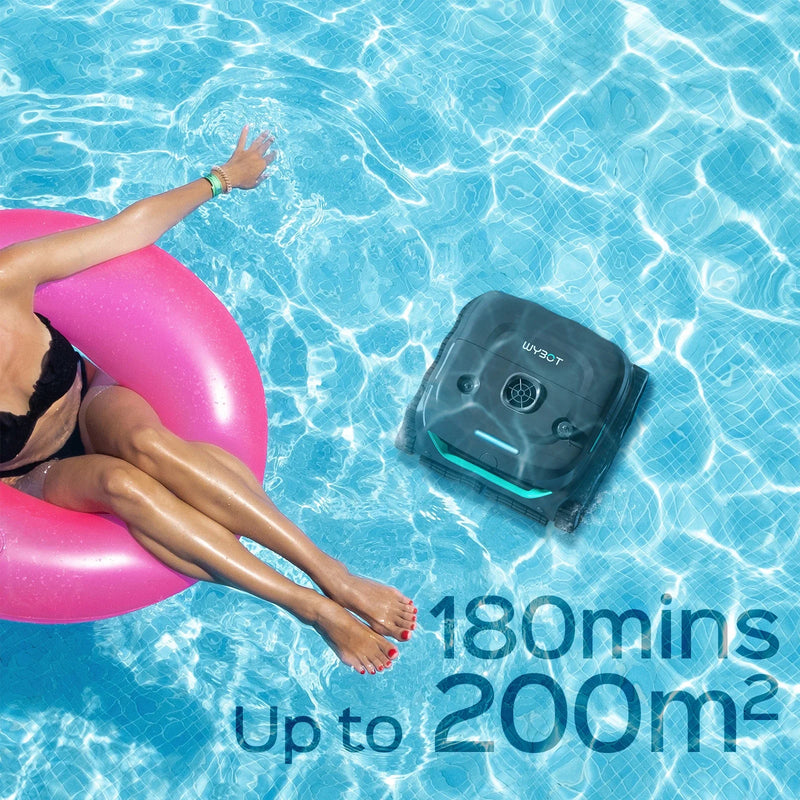
Pool cleaning technology has evolved significantly, giving users more choices than ever before. One of the most common comparisons today is between cordless and corded pool cleaners. While both are designed to keep pools clean and maintain water quality, they differ greatly in operation, convenience, and overall user experience.
Corded pool cleaners rely on a continuous power supply through a cable connected to an external power source. Cordless pool cleaners, on the other hand, operate using rechargeable batteries, allowing them to function independently without a physical connection. Understanding these fundamental differences is essential before deciding which option best suits your needs.
How Corded Pool Cleaners Perform in Real Use
Corded pool cleaners have been around for many years and are known for their consistent power supply. Because they are connected to electricity, they can operate for extended periods without worrying about battery life. This makes them particularly suitable for large pools that require long cleaning cycles.
Another advantage is stable suction performance. Since power is not limited by battery capacity, corded models can maintain strong and consistent cleaning ability throughout operation. Many high-end models also feature advanced navigation systems and deep cleaning capabilities.
However, corded cleaners come with several limitations. The presence of a cable can restrict movement and may lead to tangling during operation. Setup can also be more complex, requiring access to power outlets and careful cable management. For some users, this reduces overall convenience.
Advantages of Cordless Pool Cleaners
Cordless pool cleaners represent a more modern and user-friendly approach to pool maintenance. By eliminating cables, they offer greater freedom of movement and a simpler setup process. Users can place the cleaner in the pool and start cleaning without dealing with cords or external connections.
One of the biggest advantages is convenience. Cordless models are typically lightweight and easy to handle, making them ideal for quick and regular cleaning sessions. They are especially popular for above ground pools and medium-sized in-ground pools where flexibility is important.
Battery technology has improved significantly, with many cordless cleaners now offering runtimes of 90 to 120 minutes. This is sufficient for most residential pools. In addition, smart power management systems help optimize energy usage, ensuring efficient cleaning within the available runtime.

Limitations of Cordless Pool Cleaners
Despite their advantages, cordless pool cleaners are not without limitations. The most notable constraint is battery life. While modern models offer decent runtime, they may not be sufficient for very large pools or heavy cleaning tasks in a single cycle.
Charging time is another factor to consider. After each cleaning session, the device typically requires several hours to recharge. For users who need continuous or extended cleaning, this can be less convenient compared to corded models.
Additionally, some entry-level cordless cleaners may experience reduced suction power as the battery drains. However, higher-quality models are designed to maintain consistent performance throughout the cleaning cycle.
Direct Comparison Cordless vs Corded
To clearly understand the differences, it is helpful to compare cordless and corded pool cleaners across key factors.
| Feature | Cordless Pool Cleaner | Corded Pool Cleaner |
|---|---|---|
| Power Source | Rechargeable battery | Continuous electric supply |
| Mobility | High, no cable restrictions | Limited by cable length |
| Ease of Use | Very easy setup | More complex setup |
| Runtime | 90–120 minutes typical | Unlimited operation time |
| Suction Stability | Stable in quality models | Consistently strong |
| Maintenance | Simple | Moderate (cable care) |
| Best For | Small to medium pools | Large pools, long cleaning sessions |
This comparison highlights that cordless models prioritize convenience and flexibility, while corded models focus on uninterrupted performance and power.
Which Option Is Better for Different Pool Types
Choosing between cordless and corded pool cleaners largely depends on the type and size of your pool. For small to medium-sized pools, cordless cleaners are often the better choice due to their ease of use and sufficient runtime. They are also ideal for users who prefer quick and hassle-free cleaning.
For larger in-ground pools, corded cleaners may be more suitable because they can operate continuously without needing to recharge. Their consistent power supply ensures thorough cleaning even in demanding conditions.
Pool owners should also consider how frequently they clean their pool. Regular maintenance with a cordless cleaner can prevent heavy debris buildup, making shorter cleaning cycles more effective.
Cost and Long-Term Value Considerations
Cost is another important factor when comparing these two options. Cordless pool cleaners often come at a slightly higher upfront price due to battery technology and portability features. However, they can save time and effort, which adds value over the long term.
Corded cleaners may have a lower initial cost in some cases, but they can involve additional considerations such as cable maintenance and energy usage. Over time, the convenience of cordless models may outweigh the initial price difference for many users.
It is important to evaluate total cost of ownership, including maintenance, usability, and efficiency, rather than focusing solely on the purchase price.
How to Choose Without Overpaying
To avoid overspending, start by identifying your actual needs. If your pool is not very large and you prioritize convenience, a mid-range cordless cleaner is often the best choice. Look for models with reliable battery life, consistent suction, and efficient filtration.
If you have a large pool or require extended cleaning sessions, investing in a high-quality corded cleaner may be more practical. Avoid paying extra for features that do not significantly improve cleaning performance.
Comparing products within the same category and reading user feedback can help you find the best value for your budget.

Both cordless and corded pool cleaners have their strengths and ideal use cases. Cordless cleaners excel in convenience, flexibility, and ease of use, making them a great choice for most residential pools. Corded cleaners provide continuous power and strong performance, making them suitable for larger and more demanding environments.
Ultimately, the best choice depends on your pool size, cleaning habits, and personal preferences. By understanding the differences and focusing on practical needs, you can select a pool cleaner that delivers reliable performance without unnecessary expense.


