

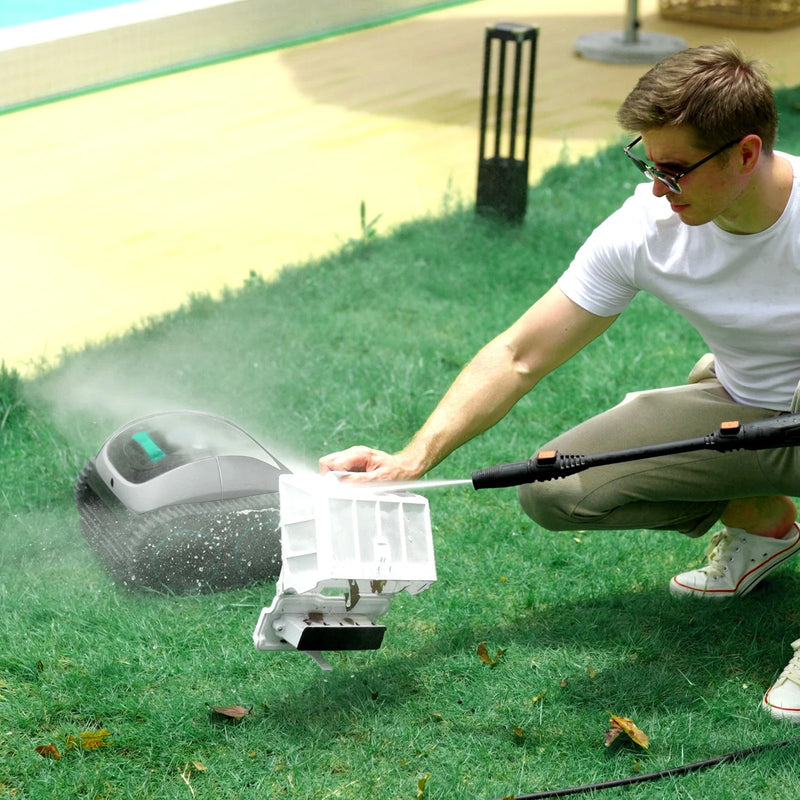
A pool vacuum is an essential tool for maintaining clean and healthy water, but like any mechanical device, it relies on multiple components working together efficiently. When one part fails or underperforms, the entire system can be affected. Understanding the key parts of a pool vacuum and how they function helps pool owners quickly identify issues and apply simple fixes without unnecessary expense.
Whether you are using a manual, suction-side, or robotic pool vacuum, knowing how to troubleshoot common problems can save time, reduce maintenance costs, and extend the lifespan of your equipment.
Key Pool Vacuum Parts and Their Functions
Most pool vacuums share a set of core components, even though designs may vary. The vacuum head is responsible for direct contact with the pool surface, collecting debris as it moves. The hose or internal pathway transports debris from the vacuum head to the filtration system.
Filters play a critical role in trapping dirt and preventing it from returning to the pool. Brushes help loosen debris from surfaces, making it easier for the vacuum to collect. In robotic models, motors and battery systems provide power and movement, while wheels or tracks enable navigation across the pool floor.
Understanding these parts makes it easier to pinpoint where problems may occur when performance declines.
Weak Suction and Poor Cleaning Performance
One of the most common issues pool owners face is weak suction. When the vacuum is not picking up debris effectively, the cause is often related to airflow or blockage.
Clogged filters are a primary reason for reduced suction. Cleaning or replacing the filter usually restores performance. Blockages in the hose or intake path can also restrict flow, so checking for debris buildup is important.
In suction-side systems, low pump pressure may be the issue. Ensuring the pool pump is functioning properly and that valves are correctly adjusted can help improve suction.
For robotic vacuums, a full filter compartment or partially blocked intake can reduce efficiency. Regular maintenance is key to preventing this problem.

Vacuum Not Moving or Getting Stuck
Another common issue is when the vacuum stops moving or frequently gets stuck in one area. This can significantly reduce cleaning coverage.
For manual and suction-side vacuums, hose tangling or improper hose length can restrict movement. Adjusting the hose and ensuring it is free of twists can resolve the issue.
In robotic cleaners, worn-out wheels or tracks may reduce mobility. Cleaning debris from the wheels and checking for wear can improve movement. Navigation problems may also occur if sensors are dirty or obstructed.
Ensuring the pool floor is free of large obstacles before starting the cleaning cycle can also help prevent interruptions.
Debris Returning to the Pool
If debris is being stirred up but not properly collected, or if it returns to the pool after cleaning, the filtration system is likely the cause.
A damaged or improperly installed filter can allow debris to pass through. Checking the filter condition and ensuring it is securely in place is essential. In some cases, using a finer filter can improve performance, especially for small particles like sand or dust.
Leaks in the hose or internal pathways can also reduce suction efficiency, causing debris to escape before reaching the filter. Inspecting connections and sealing any leaks can solve this problem.
Unusual Noise During Operation
Strange noises during operation can indicate mechanical issues that should not be ignored. Grinding or rattling sounds may suggest debris trapped in moving parts.
For robotic vacuums, the motor or impeller may be obstructed. Turning off the device and removing any debris can prevent further damage. Loose components or worn parts can also cause noise and should be inspected regularly.
In suction-side systems, air entering the hose due to leaks can create unusual sounds. Ensuring all connections are tight can eliminate this issue.
Battery and Power Issues in Robotic Vacuums
Cordless robotic pool vacuums depend on battery performance. If the runtime is significantly shorter than expected, the battery may be aging or not fully charging.
Ensuring proper charging practices, such as allowing the battery to fully charge before use, can help maintain performance. Storing the device in extreme temperatures can negatively impact battery life, so a cool, dry environment is recommended.
If performance continues to decline, replacing the battery may be necessary to restore full functionality.
Hose and Connection Problems
Hoses and connections are often overlooked but play a critical role in overall performance. Cracks, leaks, or loose connections can reduce suction and efficiency.
Inspecting hoses regularly for wear and replacing damaged sections can prevent larger issues. Ensuring all connections are secure helps maintain consistent suction and reliable operation.
For suction-side vacuums, proper hose length is important. Too short or too long hoses can affect movement and cleaning coverage.
Preventive Maintenance Tips
Preventing problems is always more effective than fixing them after they occur. Regular cleaning of filters, brushes, and intake areas ensures consistent performance.
Inspecting components for wear and replacing parts as needed can extend the lifespan of the vacuum. Following the manufacturer’s maintenance guidelines helps avoid unnecessary damage.
For robotic vacuums, proper storage and battery care are essential. Keeping the unit clean and dry when not in use protects internal components and ensures reliable operation.
Quick Troubleshooting Summary
To simplify maintenance, here is a quick reference for common problems and solutions:
| Problem | Possible Cause | Easy Fix |
|---|---|---|
| Weak suction | Clogged filter or hose | Clean or replace filter, remove blockage |
| Not moving | Tangled hose or worn wheels | Adjust hose, clean or replace wheels |
| Debris returning | Filter issue or leaks | Check filter, fix connections |
| Strange noise | Debris in moving parts | Remove debris, inspect components |
| Short runtime | Battery issue | Recharge properly or replace battery |
This table provides a clear overview of how to quickly address the most common issues.

Understanding pool vacuum parts and their common problems allows pool owners to take control of maintenance and avoid unnecessary costs. Most issues can be resolved with simple fixes, provided they are identified early.
Regular inspection, proper cleaning, and timely replacement of worn components can significantly improve performance and extend the life of your pool vacuum. By staying proactive, you can ensure your pool remains clean, efficient, and ready for use at all times.


